
| PathWhiz ID | Pathway | Meta Data |
|---|---|---|
PW685092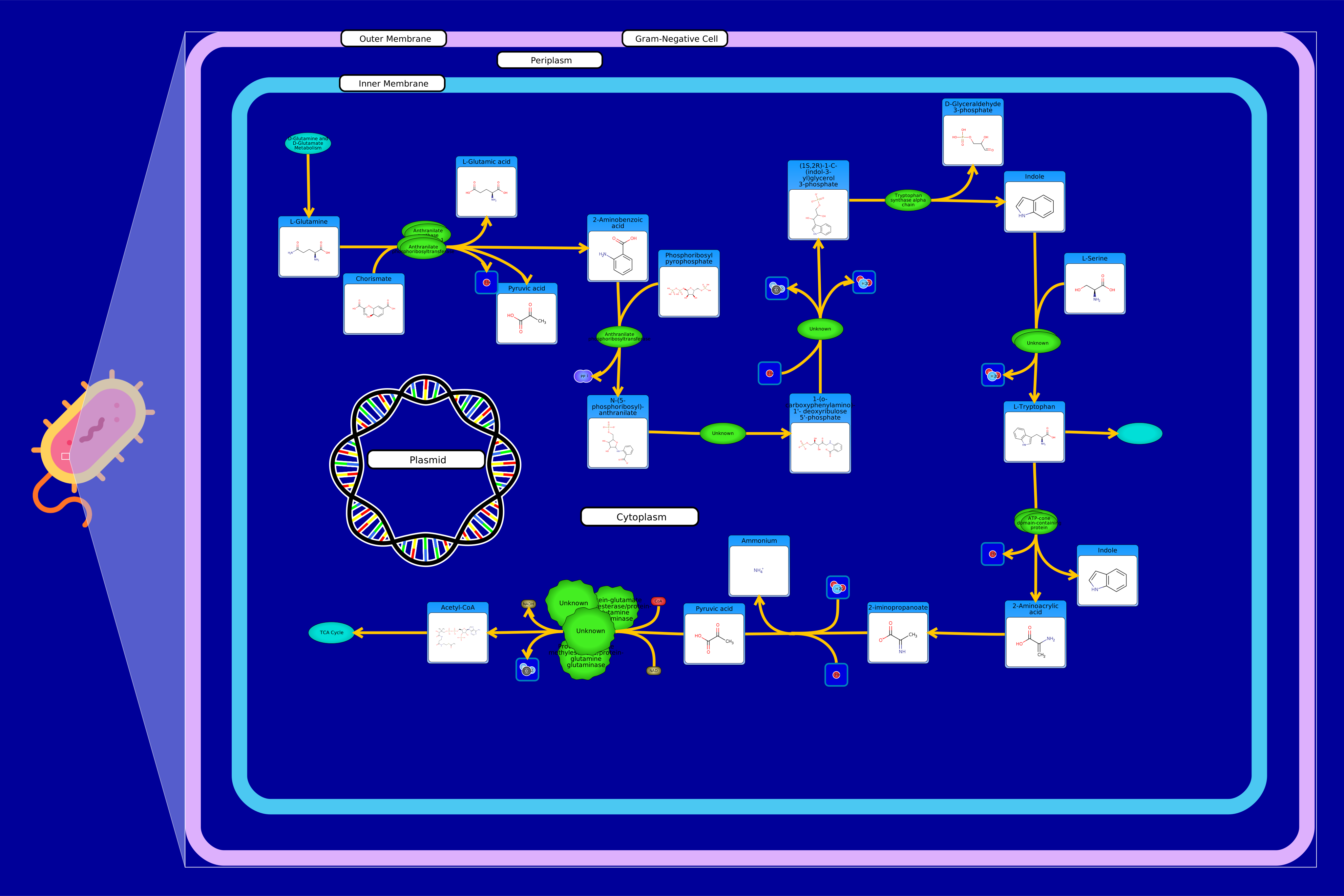 View Pathway
|
Tryptophan Metabolism[Bacteroides] pectinophilus ATCC 43243
The biosynthesis of L-tryptophan begins with L-glutamine interacting with a chorismate through a anthranilate synthase which results in a L-glutamic acid, a pyruvic acid, a hydrogen ion and a 2-aminobenzoic acid. The aminobenzoic acid interacts with a phosphoribosyl pyrophosphate through an anthranilate synthase component II resulting in a pyrophosphate and a N-(5-phosphoribosyl)-anthranilate. The latter compound is then metabolized by an indole-3-glycerol phosphate synthase / phosphoribosylanthranilate isomerase resulting in a 1-(o-carboxyphenylamino)-1-deoxyribulose 5'-phosphate. This compound then interacts with a hydrogen ion through a indole-3-glycerol phosphate synthase / phosphoribosylanthranilate isomerase resulting in the release of carbon dioxide, a water molecule and a (1S,2R)-1-C-(indol-3-yl)glycerol 3-phosphate. The latter compound then interacts with a D-glyceraldehyde 3-phosphate and an Indole. The indole interacts with an L-serine through a tryptophan synthase, β subunit dimer resulting in a water molecule and an L-tryptophan.
The metabolism of L-tryptophan starts with L-tryptophan being dehydrogenated by a tryptophanase / L-cysteine desulfhydrase resulting in the release of a hydrogen ion, an Indole and a 2-aminoacrylic acid. The latter compound is isomerized into a 2-iminopropanoate. This compound then interacts with a water molecule and a hydrogen ion spontaneously resulting in the release of an Ammonium and a pyruvic acid. The pyruvic acid then interacts with a coenzyme A through a NAD driven pyruvate dehydrogenase complex resulting in the release of a NADH, a carbon dioxide and an Acetyl-CoA
|
Creator: Julia Wakoli Created On: December 24, 2024 at 01:10 Last Updated: December 24, 2024 at 01:10 |
PW685103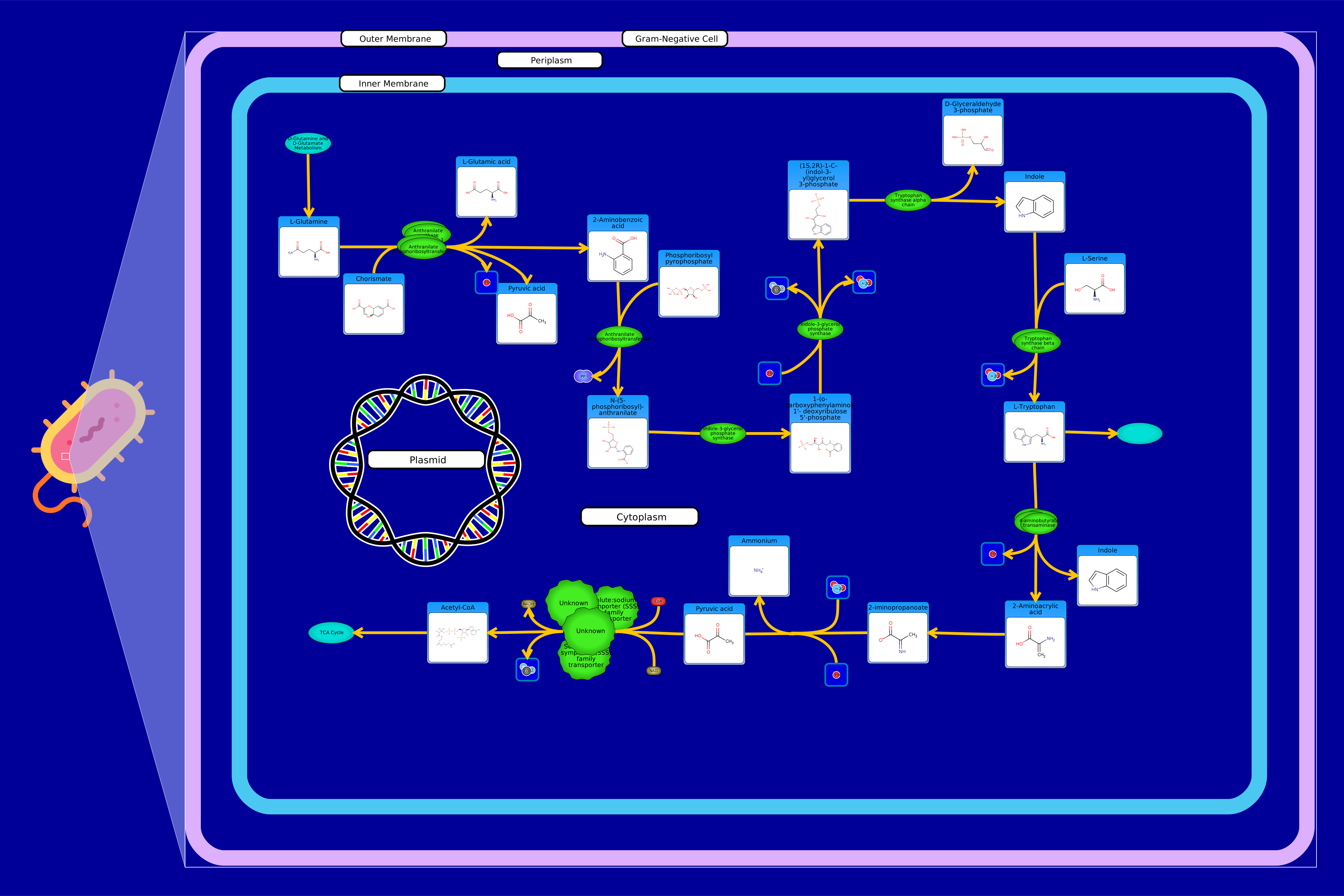 View Pathway
|
Tryptophan MetabolismDialister succinatiphilus YIT 11850
The biosynthesis of L-tryptophan begins with L-glutamine interacting with a chorismate through a anthranilate synthase which results in a L-glutamic acid, a pyruvic acid, a hydrogen ion and a 2-aminobenzoic acid. The aminobenzoic acid interacts with a phosphoribosyl pyrophosphate through an anthranilate synthase component II resulting in a pyrophosphate and a N-(5-phosphoribosyl)-anthranilate. The latter compound is then metabolized by an indole-3-glycerol phosphate synthase / phosphoribosylanthranilate isomerase resulting in a 1-(o-carboxyphenylamino)-1-deoxyribulose 5'-phosphate. This compound then interacts with a hydrogen ion through a indole-3-glycerol phosphate synthase / phosphoribosylanthranilate isomerase resulting in the release of carbon dioxide, a water molecule and a (1S,2R)-1-C-(indol-3-yl)glycerol 3-phosphate. The latter compound then interacts with a D-glyceraldehyde 3-phosphate and an Indole. The indole interacts with an L-serine through a tryptophan synthase, β subunit dimer resulting in a water molecule and an L-tryptophan.
The metabolism of L-tryptophan starts with L-tryptophan being dehydrogenated by a tryptophanase / L-cysteine desulfhydrase resulting in the release of a hydrogen ion, an Indole and a 2-aminoacrylic acid. The latter compound is isomerized into a 2-iminopropanoate. This compound then interacts with a water molecule and a hydrogen ion spontaneously resulting in the release of an Ammonium and a pyruvic acid. The pyruvic acid then interacts with a coenzyme A through a NAD driven pyruvate dehydrogenase complex resulting in the release of a NADH, a carbon dioxide and an Acetyl-CoA
|
Creator: Julia Wakoli Created On: December 24, 2024 at 01:54 Last Updated: December 24, 2024 at 01:54 |
PW684875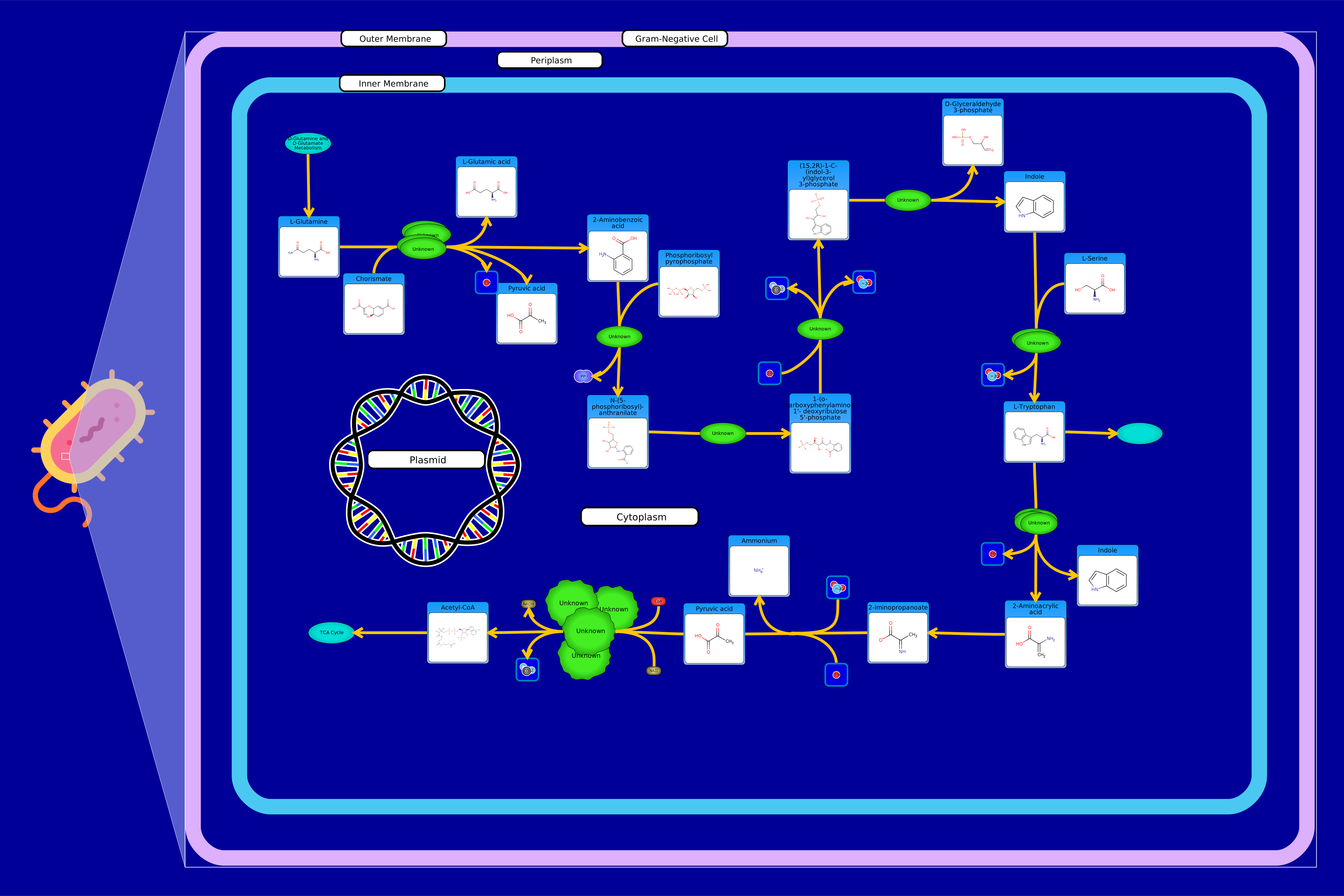 View Pathway
|
Tryptophan MetabolismEscherichia coli DORA_B_14
The biosynthesis of L-tryptophan begins with L-glutamine interacting with a chorismate through a anthranilate synthase which results in a L-glutamic acid, a pyruvic acid, a hydrogen ion and a 2-aminobenzoic acid. The aminobenzoic acid interacts with a phosphoribosyl pyrophosphate through an anthranilate synthase component II resulting in a pyrophosphate and a N-(5-phosphoribosyl)-anthranilate. The latter compound is then metabolized by an indole-3-glycerol phosphate synthase / phosphoribosylanthranilate isomerase resulting in a 1-(o-carboxyphenylamino)-1-deoxyribulose 5'-phosphate. This compound then interacts with a hydrogen ion through a indole-3-glycerol phosphate synthase / phosphoribosylanthranilate isomerase resulting in the release of carbon dioxide, a water molecule and a (1S,2R)-1-C-(indol-3-yl)glycerol 3-phosphate. The latter compound then interacts with a D-glyceraldehyde 3-phosphate and an Indole. The indole interacts with an L-serine through a tryptophan synthase, β subunit dimer resulting in a water molecule and an L-tryptophan.
The metabolism of L-tryptophan starts with L-tryptophan being dehydrogenated by a tryptophanase / L-cysteine desulfhydrase resulting in the release of a hydrogen ion, an Indole and a 2-aminoacrylic acid. The latter compound is isomerized into a 2-iminopropanoate. This compound then interacts with a water molecule and a hydrogen ion spontaneously resulting in the release of an Ammonium and a pyruvic acid. The pyruvic acid then interacts with a coenzyme A through a NAD driven pyruvate dehydrogenase complex resulting in the release of a NADH, a carbon dioxide and an Acetyl-CoA
|
Creator: Julia Wakoli Created On: December 22, 2024 at 16:26 Last Updated: December 22, 2024 at 16:26 |
PW685029 View Pathway
|
Tryptophan MetabolismYersinia kristensenii ATCC 33638
The biosynthesis of L-tryptophan begins with L-glutamine interacting with a chorismate through a anthranilate synthase which results in a L-glutamic acid, a pyruvic acid, a hydrogen ion and a 2-aminobenzoic acid. The aminobenzoic acid interacts with a phosphoribosyl pyrophosphate through an anthranilate synthase component II resulting in a pyrophosphate and a N-(5-phosphoribosyl)-anthranilate. The latter compound is then metabolized by an indole-3-glycerol phosphate synthase / phosphoribosylanthranilate isomerase resulting in a 1-(o-carboxyphenylamino)-1-deoxyribulose 5'-phosphate. This compound then interacts with a hydrogen ion through a indole-3-glycerol phosphate synthase / phosphoribosylanthranilate isomerase resulting in the release of carbon dioxide, a water molecule and a (1S,2R)-1-C-(indol-3-yl)glycerol 3-phosphate. The latter compound then interacts with a D-glyceraldehyde 3-phosphate and an Indole. The indole interacts with an L-serine through a tryptophan synthase, β subunit dimer resulting in a water molecule and an L-tryptophan.
The metabolism of L-tryptophan starts with L-tryptophan being dehydrogenated by a tryptophanase / L-cysteine desulfhydrase resulting in the release of a hydrogen ion, an Indole and a 2-aminoacrylic acid. The latter compound is isomerized into a 2-iminopropanoate. This compound then interacts with a water molecule and a hydrogen ion spontaneously resulting in the release of an Ammonium and a pyruvic acid. The pyruvic acid then interacts with a coenzyme A through a NAD driven pyruvate dehydrogenase complex resulting in the release of a NADH, a carbon dioxide and an Acetyl-CoA
|
Creator: Julia Wakoli Created On: December 23, 2024 at 22:16 Last Updated: December 23, 2024 at 22:16 |
PW684967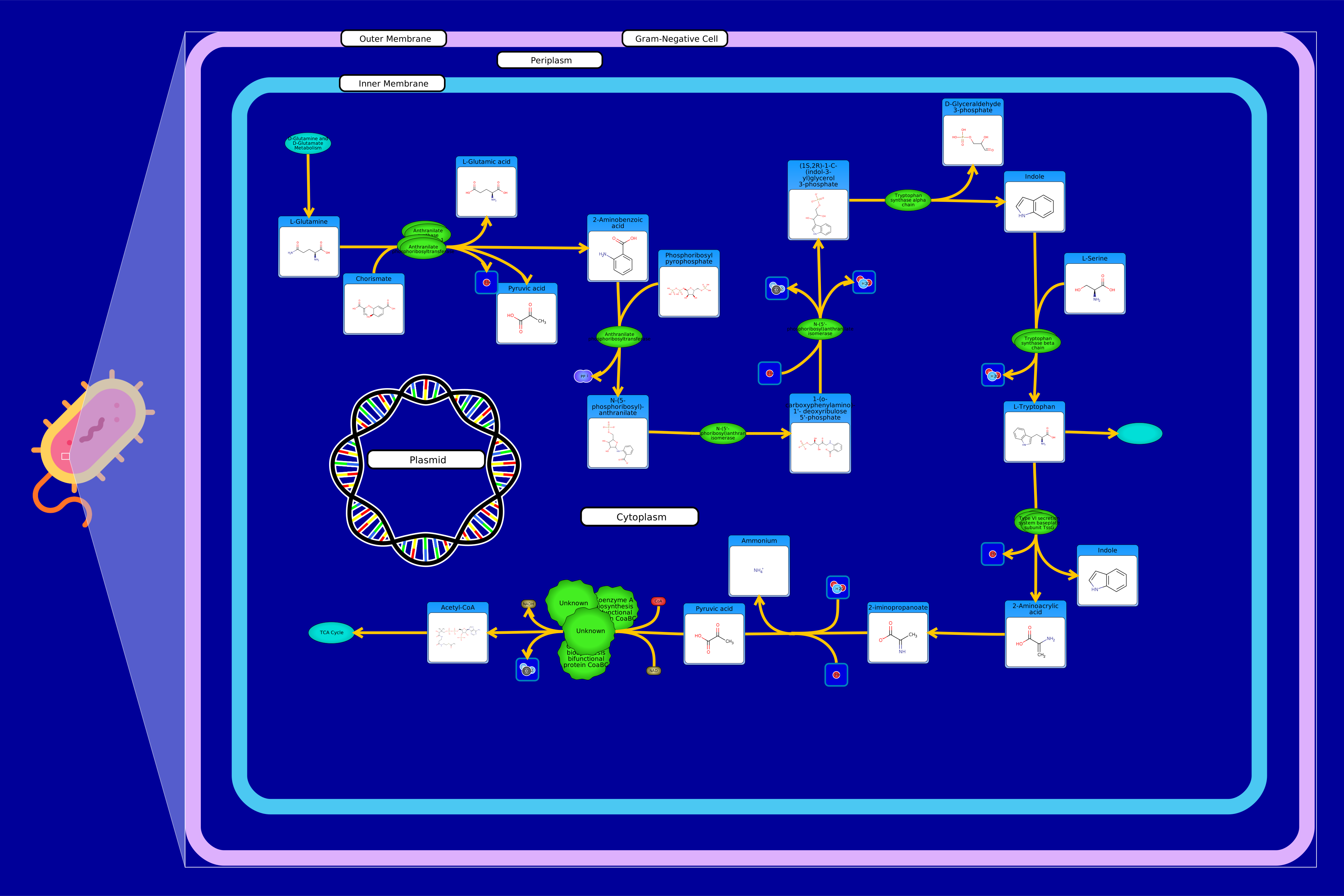 View Pathway
|
Tryptophan MetabolismHelicobacter canadensis MIT 98-5491
The biosynthesis of L-tryptophan begins with L-glutamine interacting with a chorismate through a anthranilate synthase which results in a L-glutamic acid, a pyruvic acid, a hydrogen ion and a 2-aminobenzoic acid. The aminobenzoic acid interacts with a phosphoribosyl pyrophosphate through an anthranilate synthase component II resulting in a pyrophosphate and a N-(5-phosphoribosyl)-anthranilate. The latter compound is then metabolized by an indole-3-glycerol phosphate synthase / phosphoribosylanthranilate isomerase resulting in a 1-(o-carboxyphenylamino)-1-deoxyribulose 5'-phosphate. This compound then interacts with a hydrogen ion through a indole-3-glycerol phosphate synthase / phosphoribosylanthranilate isomerase resulting in the release of carbon dioxide, a water molecule and a (1S,2R)-1-C-(indol-3-yl)glycerol 3-phosphate. The latter compound then interacts with a D-glyceraldehyde 3-phosphate and an Indole. The indole interacts with an L-serine through a tryptophan synthase, β subunit dimer resulting in a water molecule and an L-tryptophan.
The metabolism of L-tryptophan starts with L-tryptophan being dehydrogenated by a tryptophanase / L-cysteine desulfhydrase resulting in the release of a hydrogen ion, an Indole and a 2-aminoacrylic acid. The latter compound is isomerized into a 2-iminopropanoate. This compound then interacts with a water molecule and a hydrogen ion spontaneously resulting in the release of an Ammonium and a pyruvic acid. The pyruvic acid then interacts with a coenzyme A through a NAD driven pyruvate dehydrogenase complex resulting in the release of a NADH, a carbon dioxide and an Acetyl-CoA
|
Creator: Julia Wakoli Created On: December 23, 2024 at 18:47 Last Updated: December 23, 2024 at 18:47 |
PW685052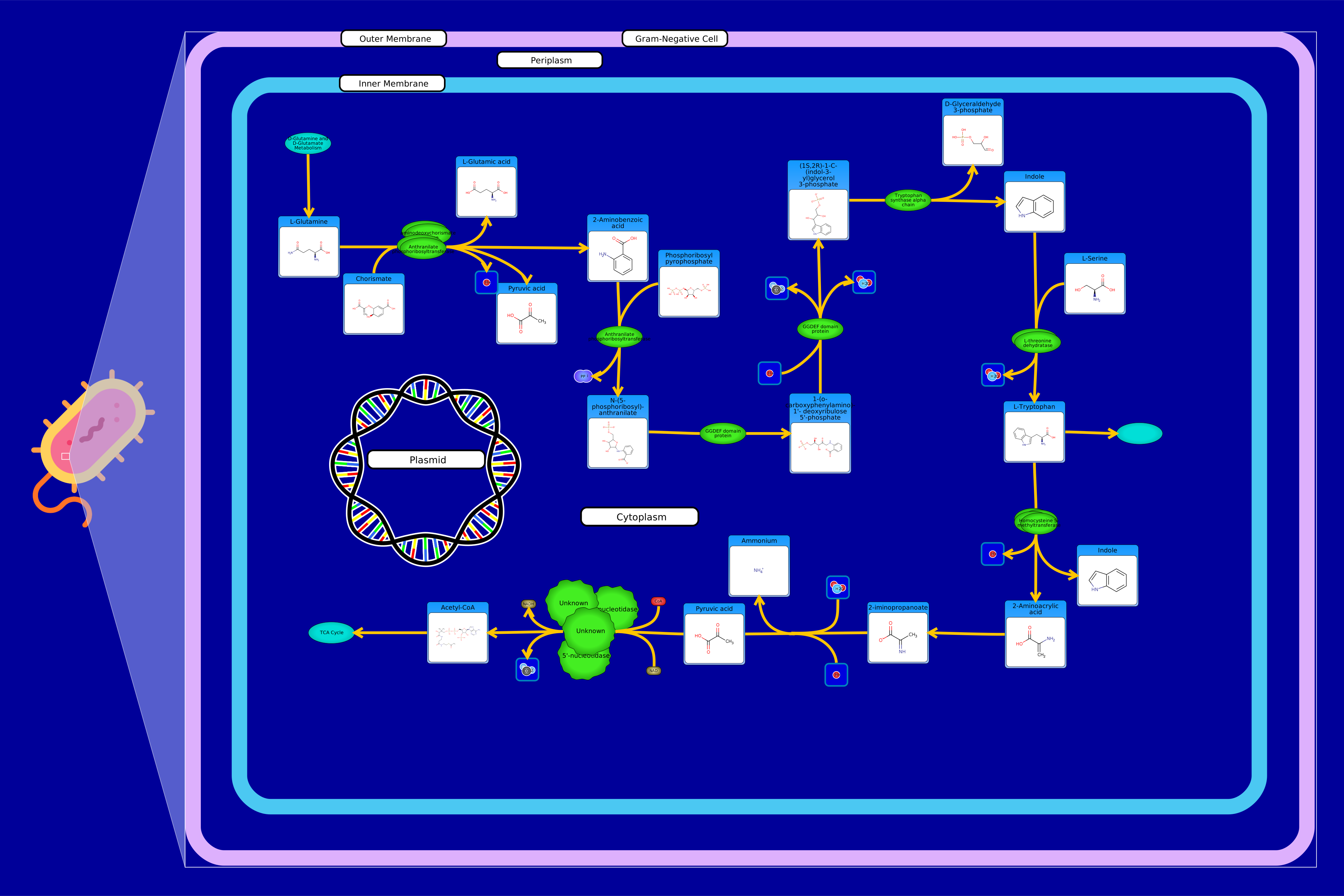 View Pathway
|
Tryptophan MetabolismVibrio fluvialis PG41
The biosynthesis of L-tryptophan begins with L-glutamine interacting with a chorismate through a anthranilate synthase which results in a L-glutamic acid, a pyruvic acid, a hydrogen ion and a 2-aminobenzoic acid. The aminobenzoic acid interacts with a phosphoribosyl pyrophosphate through an anthranilate synthase component II resulting in a pyrophosphate and a N-(5-phosphoribosyl)-anthranilate. The latter compound is then metabolized by an indole-3-glycerol phosphate synthase / phosphoribosylanthranilate isomerase resulting in a 1-(o-carboxyphenylamino)-1-deoxyribulose 5'-phosphate. This compound then interacts with a hydrogen ion through a indole-3-glycerol phosphate synthase / phosphoribosylanthranilate isomerase resulting in the release of carbon dioxide, a water molecule and a (1S,2R)-1-C-(indol-3-yl)glycerol 3-phosphate. The latter compound then interacts with a D-glyceraldehyde 3-phosphate and an Indole. The indole interacts with an L-serine through a tryptophan synthase, β subunit dimer resulting in a water molecule and an L-tryptophan.
The metabolism of L-tryptophan starts with L-tryptophan being dehydrogenated by a tryptophanase / L-cysteine desulfhydrase resulting in the release of a hydrogen ion, an Indole and a 2-aminoacrylic acid. The latter compound is isomerized into a 2-iminopropanoate. This compound then interacts with a water molecule and a hydrogen ion spontaneously resulting in the release of an Ammonium and a pyruvic acid. The pyruvic acid then interacts with a coenzyme A through a NAD driven pyruvate dehydrogenase complex resulting in the release of a NADH, a carbon dioxide and an Acetyl-CoA
|
Creator: Julia Wakoli Created On: December 23, 2024 at 23:29 Last Updated: December 23, 2024 at 23:29 |
PW685068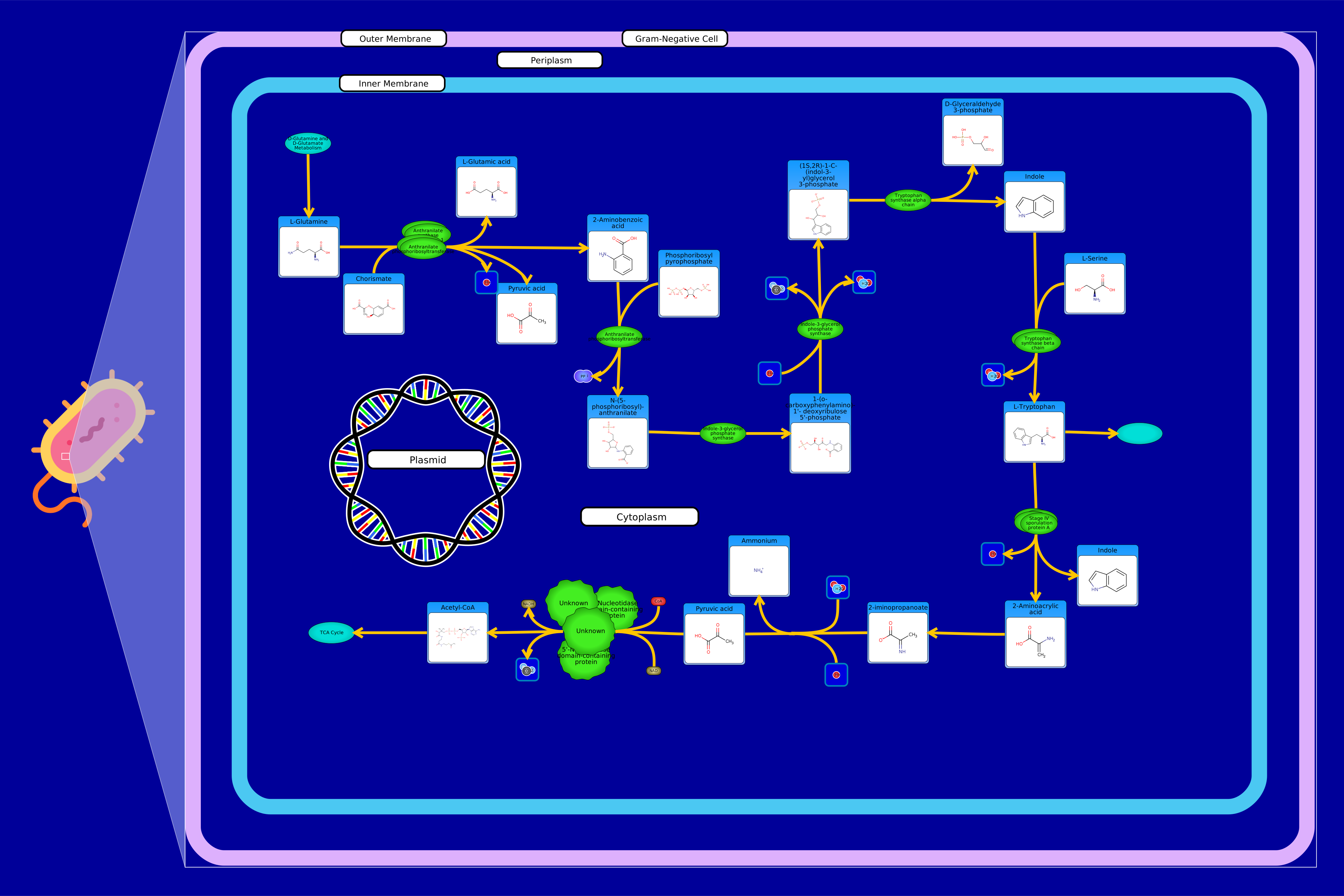 View Pathway
|
Tryptophan MetabolismPaenibacillus lactis 154
The biosynthesis of L-tryptophan begins with L-glutamine interacting with a chorismate through a anthranilate synthase which results in a L-glutamic acid, a pyruvic acid, a hydrogen ion and a 2-aminobenzoic acid. The aminobenzoic acid interacts with a phosphoribosyl pyrophosphate through an anthranilate synthase component II resulting in a pyrophosphate and a N-(5-phosphoribosyl)-anthranilate. The latter compound is then metabolized by an indole-3-glycerol phosphate synthase / phosphoribosylanthranilate isomerase resulting in a 1-(o-carboxyphenylamino)-1-deoxyribulose 5'-phosphate. This compound then interacts with a hydrogen ion through a indole-3-glycerol phosphate synthase / phosphoribosylanthranilate isomerase resulting in the release of carbon dioxide, a water molecule and a (1S,2R)-1-C-(indol-3-yl)glycerol 3-phosphate. The latter compound then interacts with a D-glyceraldehyde 3-phosphate and an Indole. The indole interacts with an L-serine through a tryptophan synthase, β subunit dimer resulting in a water molecule and an L-tryptophan.
The metabolism of L-tryptophan starts with L-tryptophan being dehydrogenated by a tryptophanase / L-cysteine desulfhydrase resulting in the release of a hydrogen ion, an Indole and a 2-aminoacrylic acid. The latter compound is isomerized into a 2-iminopropanoate. This compound then interacts with a water molecule and a hydrogen ion spontaneously resulting in the release of an Ammonium and a pyruvic acid. The pyruvic acid then interacts with a coenzyme A through a NAD driven pyruvate dehydrogenase complex resulting in the release of a NADH, a carbon dioxide and an Acetyl-CoA
|
Creator: Julia Wakoli Created On: December 24, 2024 at 00:09 Last Updated: December 24, 2024 at 00:09 |
PW685087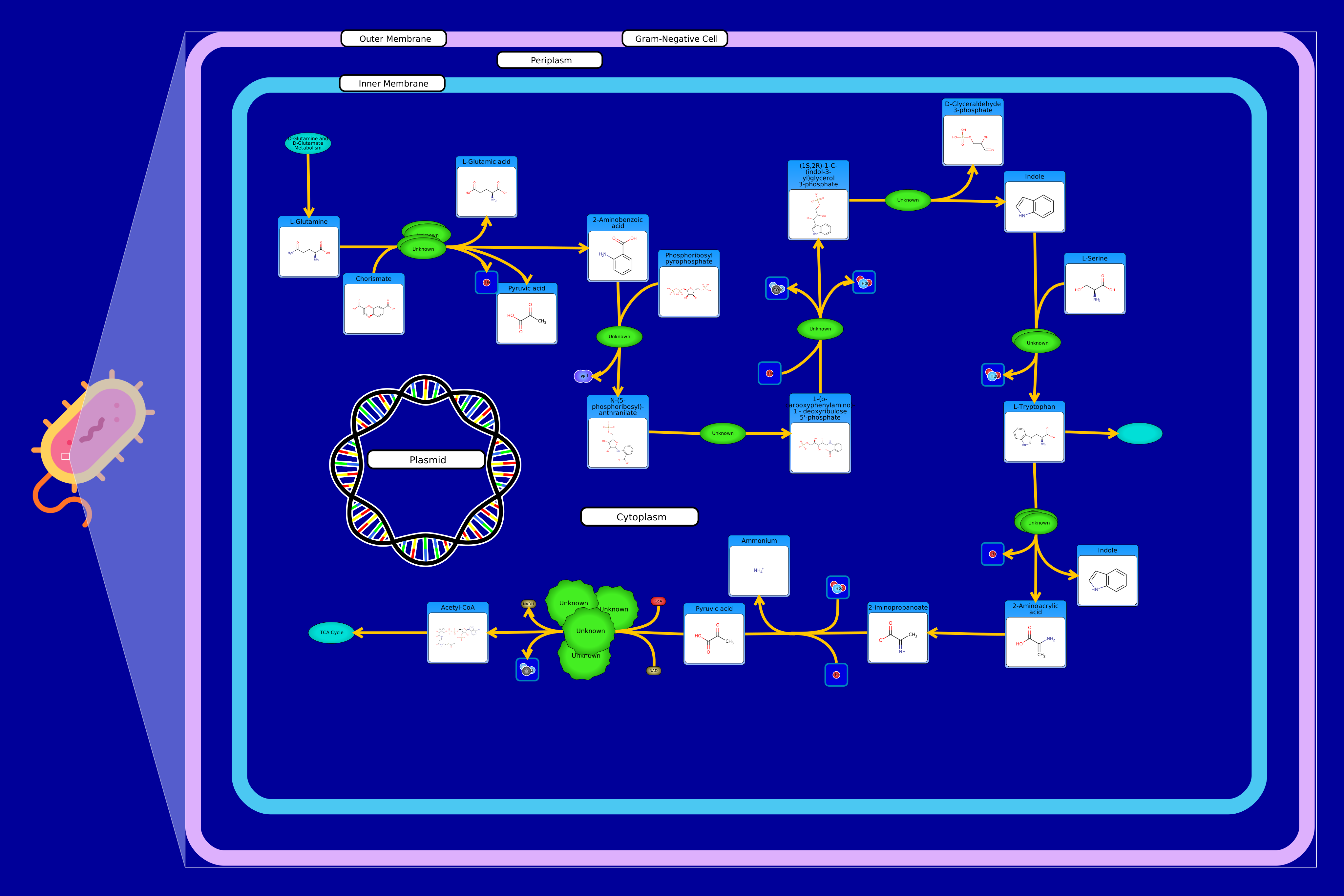 View Pathway
|
Tryptophan Metabolism[Clostridium] symbiosum WAL-14673
The biosynthesis of L-tryptophan begins with L-glutamine interacting with a chorismate through a anthranilate synthase which results in a L-glutamic acid, a pyruvic acid, a hydrogen ion and a 2-aminobenzoic acid. The aminobenzoic acid interacts with a phosphoribosyl pyrophosphate through an anthranilate synthase component II resulting in a pyrophosphate and a N-(5-phosphoribosyl)-anthranilate. The latter compound is then metabolized by an indole-3-glycerol phosphate synthase / phosphoribosylanthranilate isomerase resulting in a 1-(o-carboxyphenylamino)-1-deoxyribulose 5'-phosphate. This compound then interacts with a hydrogen ion through a indole-3-glycerol phosphate synthase / phosphoribosylanthranilate isomerase resulting in the release of carbon dioxide, a water molecule and a (1S,2R)-1-C-(indol-3-yl)glycerol 3-phosphate. The latter compound then interacts with a D-glyceraldehyde 3-phosphate and an Indole. The indole interacts with an L-serine through a tryptophan synthase, β subunit dimer resulting in a water molecule and an L-tryptophan.
The metabolism of L-tryptophan starts with L-tryptophan being dehydrogenated by a tryptophanase / L-cysteine desulfhydrase resulting in the release of a hydrogen ion, an Indole and a 2-aminoacrylic acid. The latter compound is isomerized into a 2-iminopropanoate. This compound then interacts with a water molecule and a hydrogen ion spontaneously resulting in the release of an Ammonium and a pyruvic acid. The pyruvic acid then interacts with a coenzyme A through a NAD driven pyruvate dehydrogenase complex resulting in the release of a NADH, a carbon dioxide and an Acetyl-CoA
|
Creator: Julia Wakoli Created On: December 24, 2024 at 00:51 Last Updated: December 24, 2024 at 00:51 |
PW685039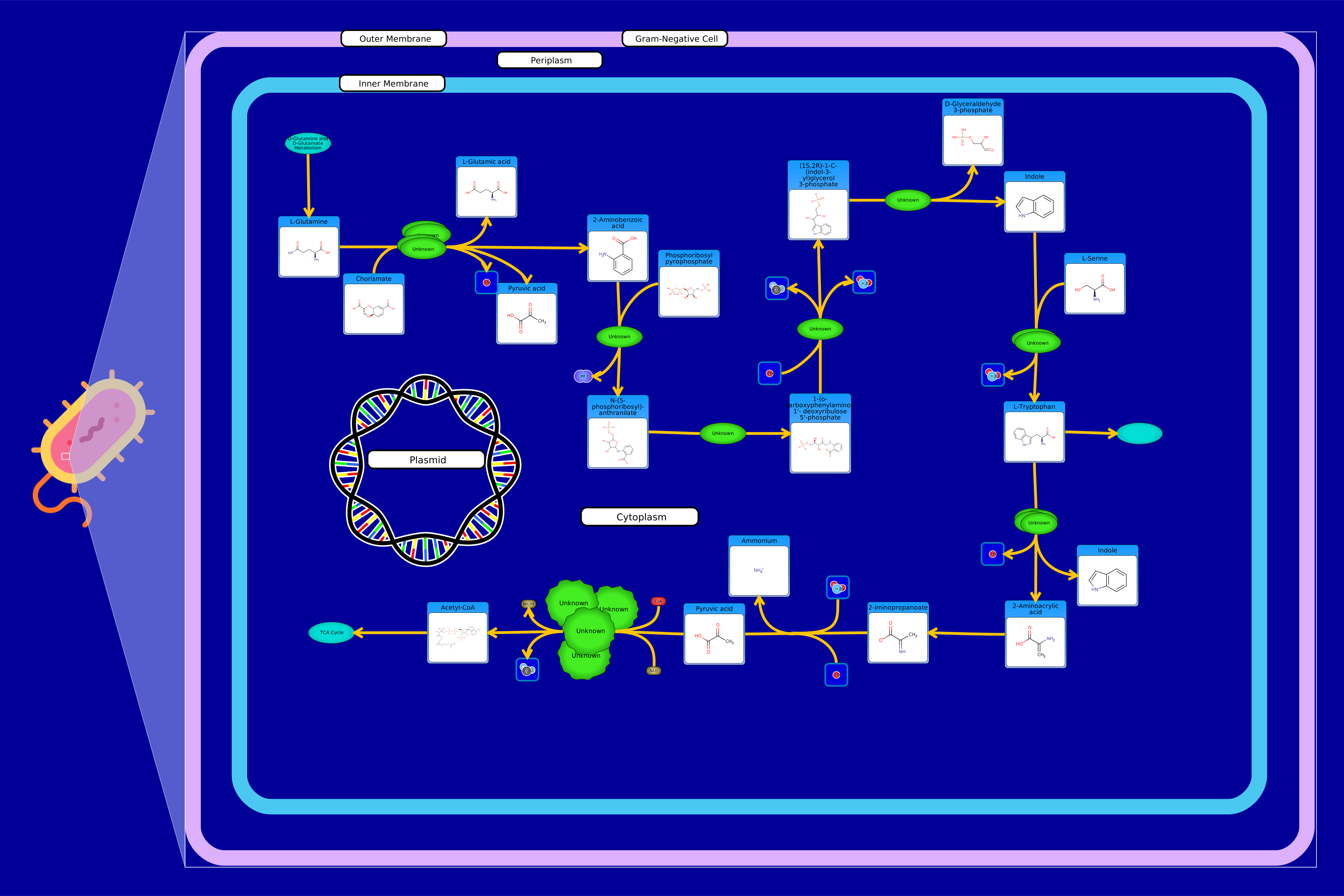 View Pathway
|
Tryptophan MetabolismAcinetobacter lwoffii WJ10621
The biosynthesis of L-tryptophan begins with L-glutamine interacting with a chorismate through a anthranilate synthase which results in a L-glutamic acid, a pyruvic acid, a hydrogen ion and a 2-aminobenzoic acid. The aminobenzoic acid interacts with a phosphoribosyl pyrophosphate through an anthranilate synthase component II resulting in a pyrophosphate and a N-(5-phosphoribosyl)-anthranilate. The latter compound is then metabolized by an indole-3-glycerol phosphate synthase / phosphoribosylanthranilate isomerase resulting in a 1-(o-carboxyphenylamino)-1-deoxyribulose 5'-phosphate. This compound then interacts with a hydrogen ion through a indole-3-glycerol phosphate synthase / phosphoribosylanthranilate isomerase resulting in the release of carbon dioxide, a water molecule and a (1S,2R)-1-C-(indol-3-yl)glycerol 3-phosphate. The latter compound then interacts with a D-glyceraldehyde 3-phosphate and an Indole. The indole interacts with an L-serine through a tryptophan synthase, β subunit dimer resulting in a water molecule and an L-tryptophan.
The metabolism of L-tryptophan starts with L-tryptophan being dehydrogenated by a tryptophanase / L-cysteine desulfhydrase resulting in the release of a hydrogen ion, an Indole and a 2-aminoacrylic acid. The latter compound is isomerized into a 2-iminopropanoate. This compound then interacts with a water molecule and a hydrogen ion spontaneously resulting in the release of an Ammonium and a pyruvic acid. The pyruvic acid then interacts with a coenzyme A through a NAD driven pyruvate dehydrogenase complex resulting in the release of a NADH, a carbon dioxide and an Acetyl-CoA
|
Creator: Julia Wakoli Created On: December 23, 2024 at 23:00 Last Updated: December 23, 2024 at 23:00 |
PW685044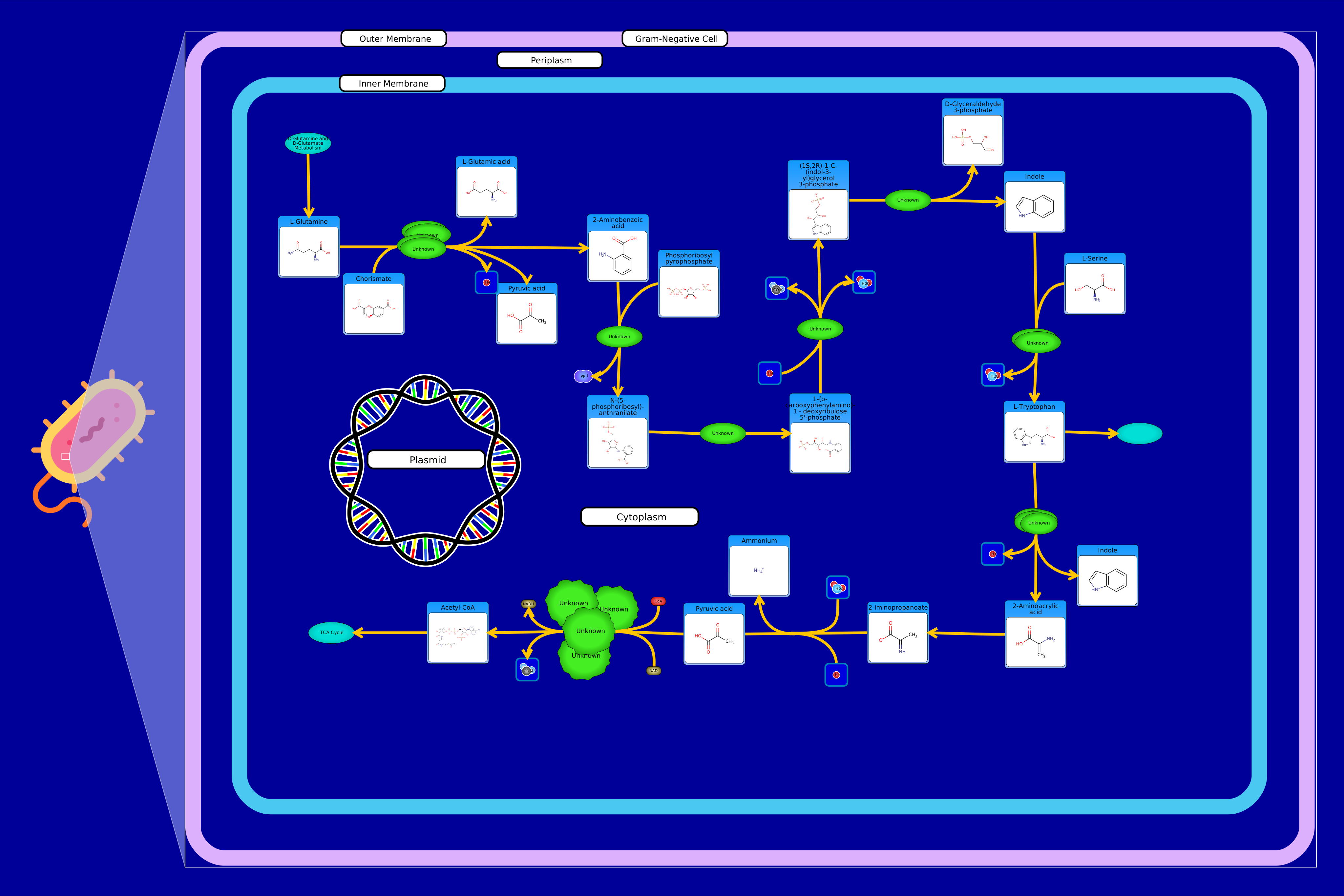 View Pathway
|
Tryptophan MetabolismPseudomonas monteilii QM
The biosynthesis of L-tryptophan begins with L-glutamine interacting with a chorismate through a anthranilate synthase which results in a L-glutamic acid, a pyruvic acid, a hydrogen ion and a 2-aminobenzoic acid. The aminobenzoic acid interacts with a phosphoribosyl pyrophosphate through an anthranilate synthase component II resulting in a pyrophosphate and a N-(5-phosphoribosyl)-anthranilate. The latter compound is then metabolized by an indole-3-glycerol phosphate synthase / phosphoribosylanthranilate isomerase resulting in a 1-(o-carboxyphenylamino)-1-deoxyribulose 5'-phosphate. This compound then interacts with a hydrogen ion through a indole-3-glycerol phosphate synthase / phosphoribosylanthranilate isomerase resulting in the release of carbon dioxide, a water molecule and a (1S,2R)-1-C-(indol-3-yl)glycerol 3-phosphate. The latter compound then interacts with a D-glyceraldehyde 3-phosphate and an Indole. The indole interacts with an L-serine through a tryptophan synthase, β subunit dimer resulting in a water molecule and an L-tryptophan.
The metabolism of L-tryptophan starts with L-tryptophan being dehydrogenated by a tryptophanase / L-cysteine desulfhydrase resulting in the release of a hydrogen ion, an Indole and a 2-aminoacrylic acid. The latter compound is isomerized into a 2-iminopropanoate. This compound then interacts with a water molecule and a hydrogen ion spontaneously resulting in the release of an Ammonium and a pyruvic acid. The pyruvic acid then interacts with a coenzyme A through a NAD driven pyruvate dehydrogenase complex resulting in the release of a NADH, a carbon dioxide and an Acetyl-CoA
|
Creator: Julia Wakoli Created On: December 23, 2024 at 23:20 Last Updated: December 23, 2024 at 23:20 |