
| PathWhiz ID | Pathway | Meta Data |
|---|---|---|
PW176386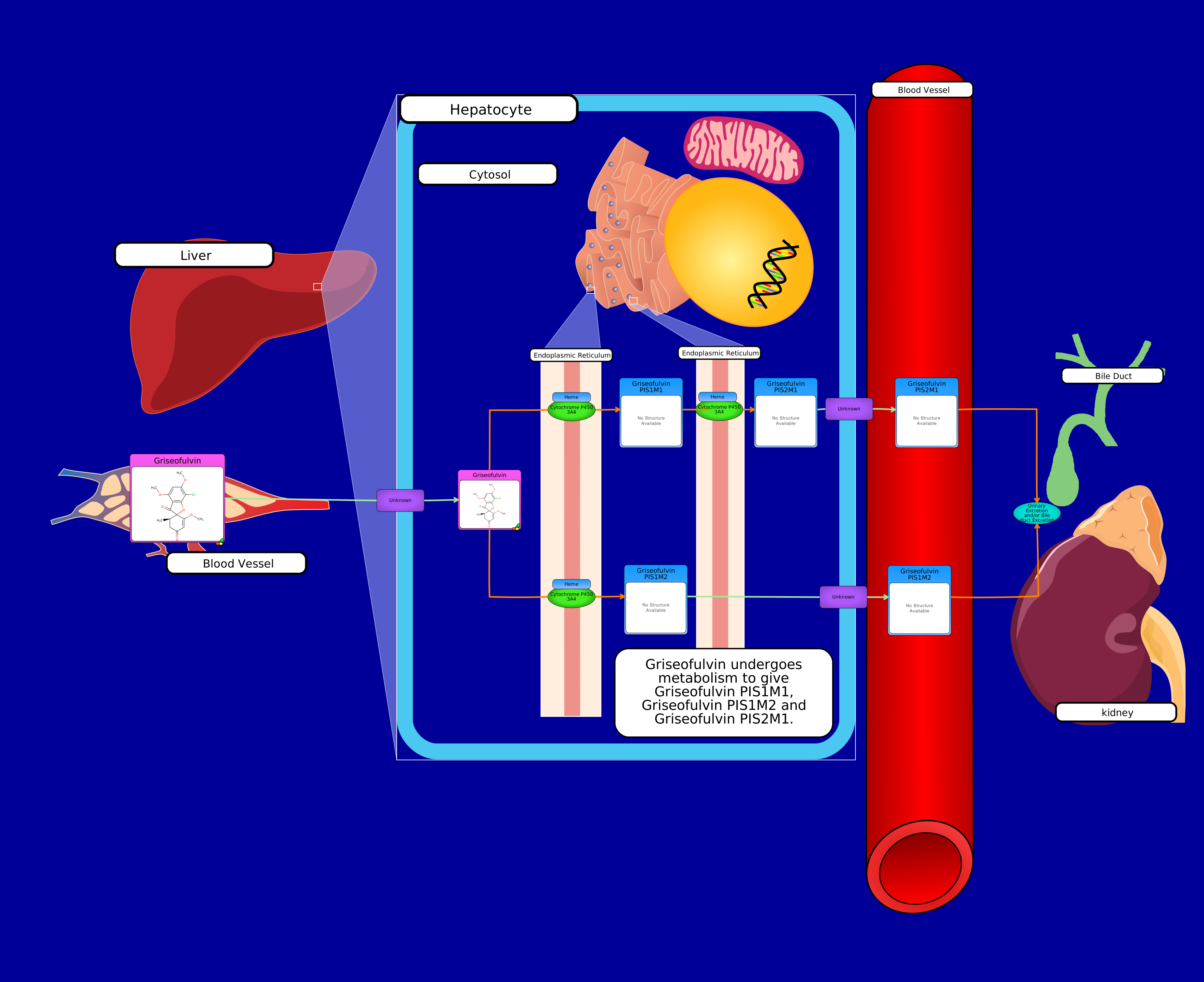 View Pathway
|
Griseofulvin Predicted Metabolism PathwayHomo sapiens
Metabolites of Griseofulvin are predicted with biotransformer.
|
Creator: Omolola Created On: December 07, 2023 at 16:38 Last Updated: December 07, 2023 at 16:38 |
PW122162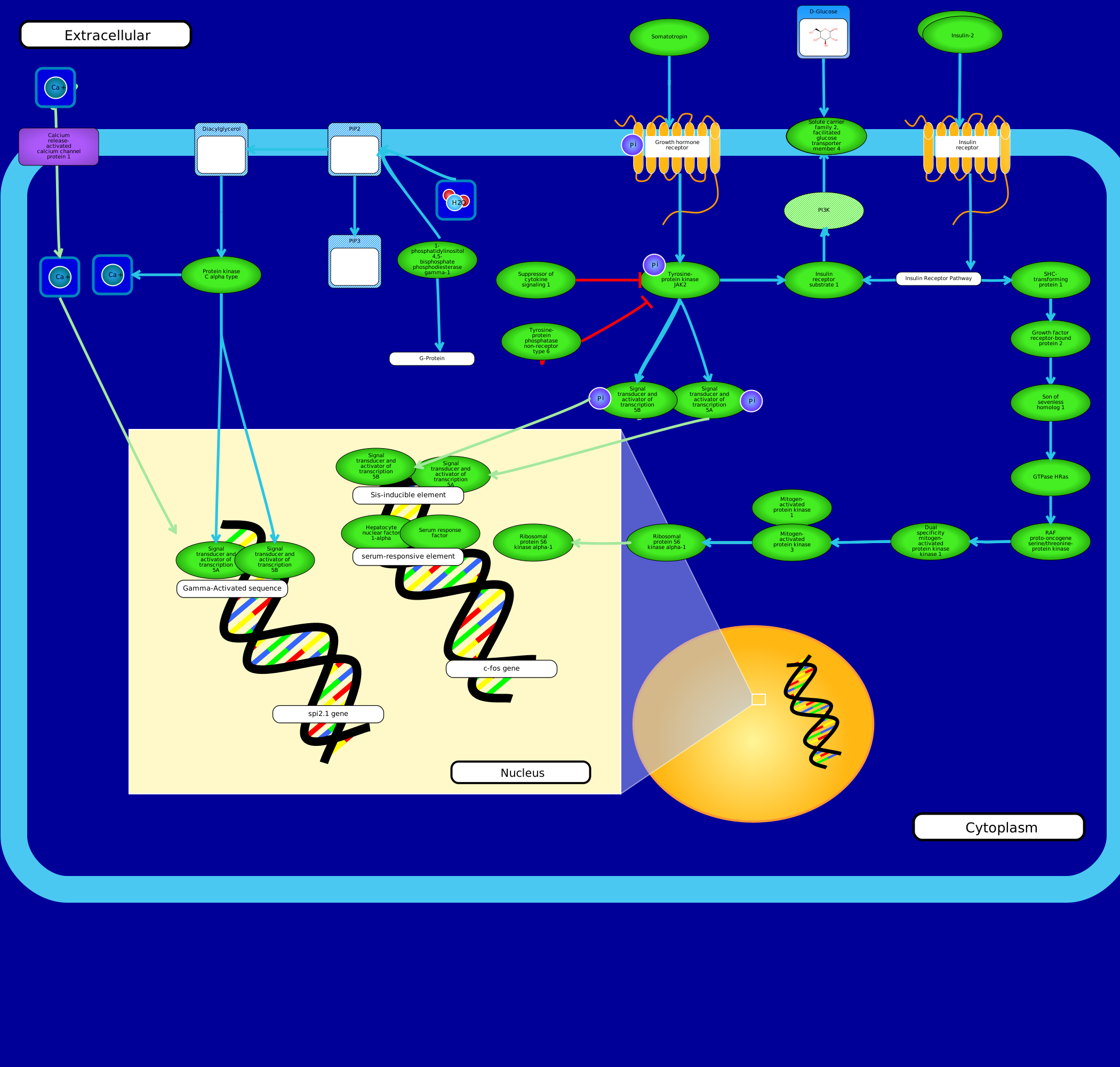 View Pathway
|
protein
Growth Hormone Signaling PathwayMus musculus
Growth hormone is the hormone primarily responsible for body growth. Growth hormone (GH) binds membrane-bound growth hormone receptor (GHR) to activate and enhance the binding of JAK2. This stimulates phosphorylation of JAK2 and GHR. JAK2 initiates GH signal transduction. This activation initiates multiple signalling pathways: STAT transcription factors, activation of kinases, and insulin receptor pathways. GH stimulates Signal Transducer and Activator of Transcription (STAT) and its binding to Sis-inducible elements of the c-fos promoter. C-fos expression has input from multiple pathways. The serum response element binds serum response factors and other complex transcription factors regulated by GH via the MEK/ERK pathway. STAT 5 is also involved in the synthesis of many GH-sensitive genes. STAT proteins are phosphorylated and then released from the GH/JAK2 complex. Once released, they become dimers and move to the nucleus to bind binding sites in GH-regulated genes. STAT proteins may also dimerize with other transcription factors to regulate transcription. GH can stimulate glucose transport in the cell through JAK2 stimulation of IRS proteins that recruit PI3K to regulate glucose transport.
|
Creator: Ana Marcu Created On: September 20, 2018 at 14:40 Last Updated: September 20, 2018 at 14:40 |
PW122186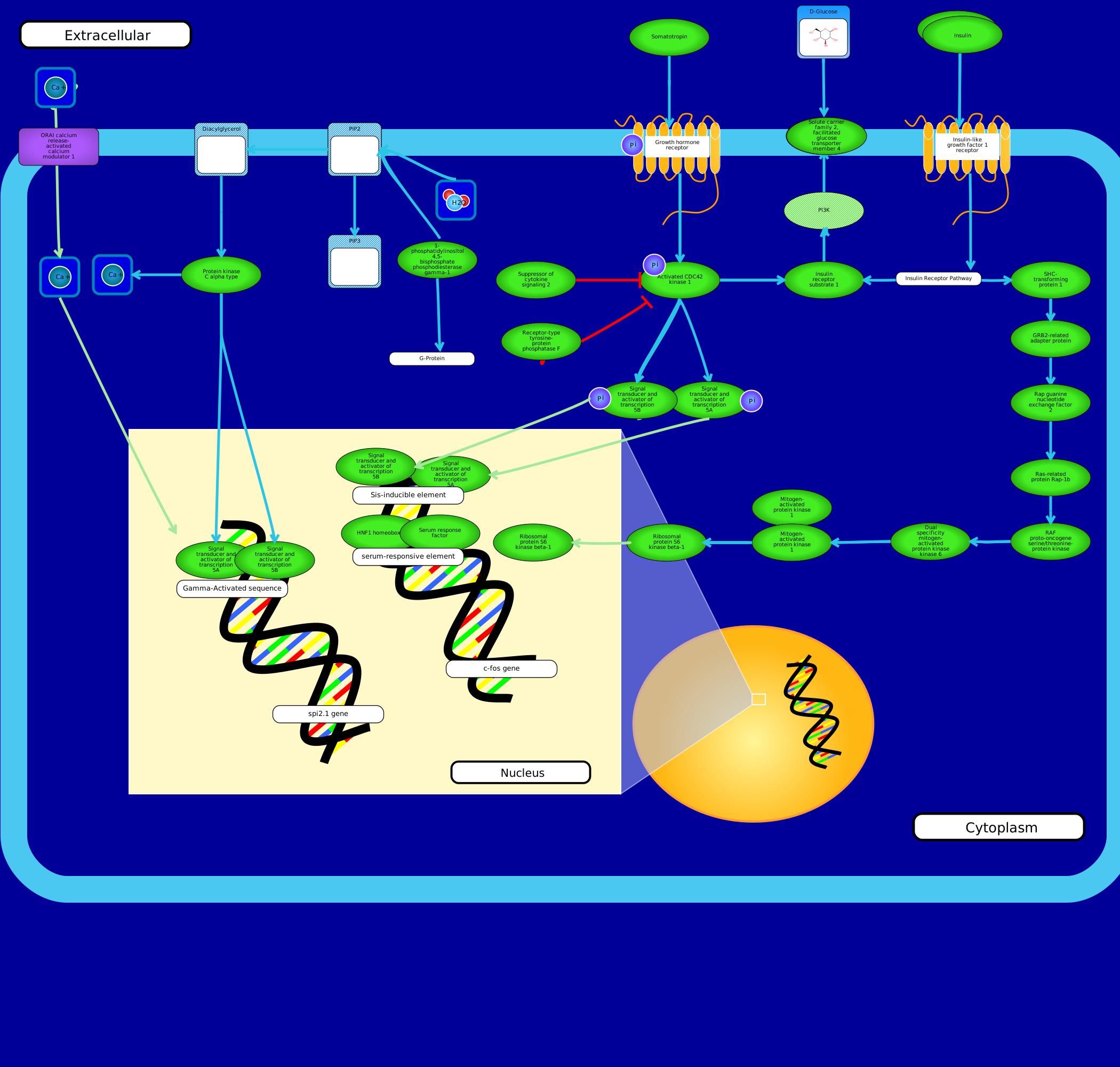 View Pathway
|
protein
Growth Hormone Signaling PathwayBos taurus
Growth hormone is the hormone primarily responsible for body growth. Growth hormone (GH) binds membrane-bound growth hormone receptor (GHR) to activate and enhance the binding of JAK2. This stimulates phosphorylation of JAK2 and GHR. JAK2 initiates GH signal transduction. This activation initiates multiple signalling pathways: STAT transcription factors, activation of kinases, and insulin receptor pathways. GH stimulates Signal Transducer and Activator of Transcription (STAT) and its binding to Sis-inducible elements of the c-fos promoter. C-fos expression has input from multiple pathways. The serum response element binds serum response factors and other complex transcription factors regulated by GH via the MEK/ERK pathway. STAT 5 is also involved in the synthesis of many GH-sensitive genes. STAT proteins are phosphorylated and then released from the GH/JAK2 complex. Once released, they become dimers and move to the nucleus to bind binding sites in GH-regulated genes. STAT proteins may also dimerize with other transcription factors to regulate transcription. GH can stimulate glucose transport in the cell through JAK2 stimulation of IRS proteins that recruit PI3K to regulate glucose transport.
|
Creator: Ana Marcu Created On: September 20, 2018 at 14:53 Last Updated: September 20, 2018 at 14:53 |
PW064811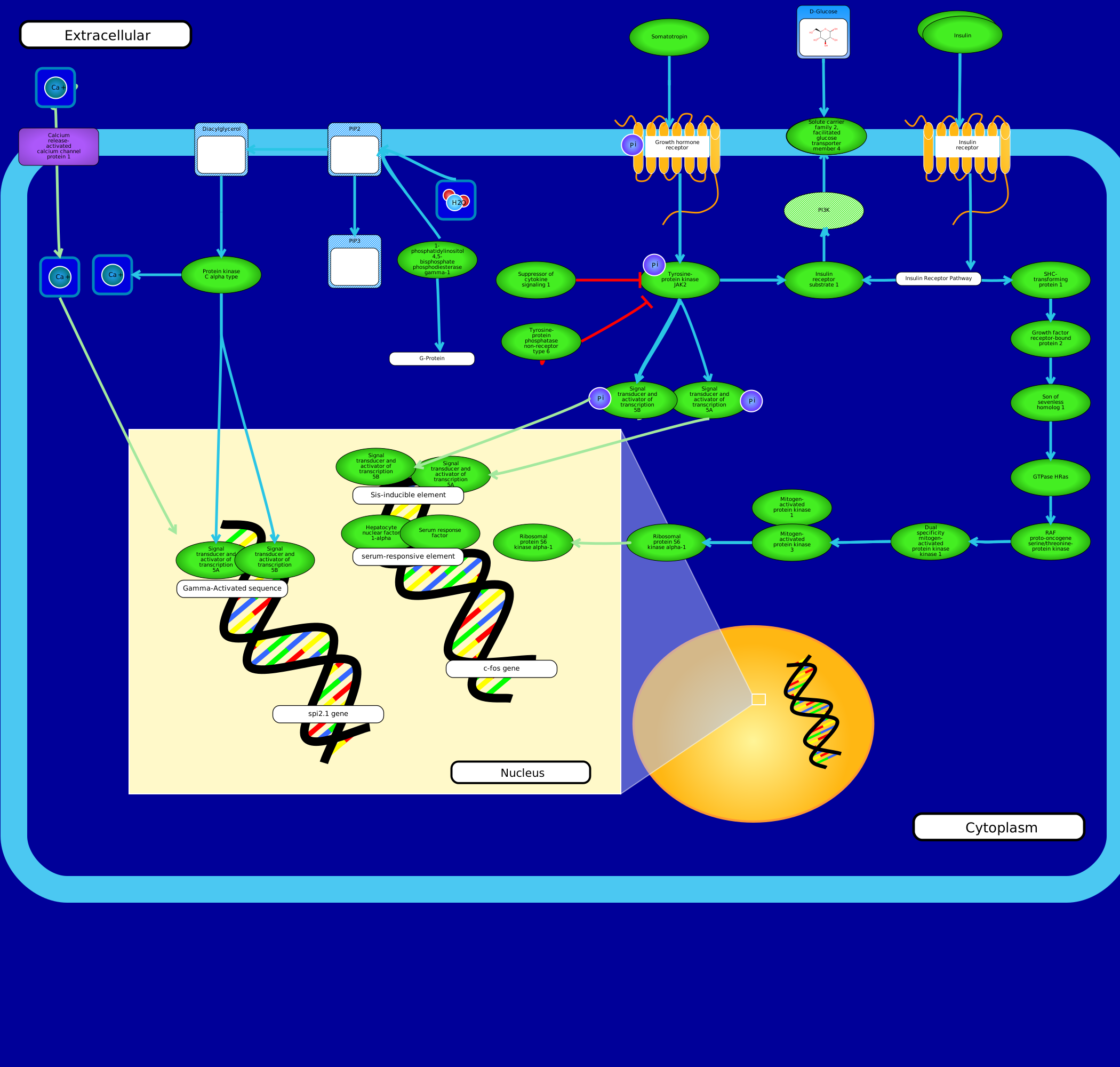 View Pathway
|
protein
Growth Hormone Signaling PathwayHomo sapiens
Growth hormone is the hormone primarily responsible for body growth. Growth hormone (GH) binds membrane-bound growth hormone receptor (GHR) to activate and enhance the binding of JAK2. This stimulates phosphorylation of JAK2 and GHR. JAK2 initiates GH signal transduction. This activation initiates multiple signalling pathways: STAT transcription factors, activation of kinases, and insulin receptor pathways. GH stimulates Signal Transducer and Activator of Transcription (STAT) and its binding to Sis-inducible elements of the c-fos promoter. C-fos expression has input from multiple pathways. The serum response element binds serum response factors and other complex transcription factors regulated by GH via the MEK/ERK pathway. STAT 5 is also involved in the synthesis of many GH-sensitive genes. STAT proteins are phosphorylated and then released from the GH/JAK2 complex. Once released, they become dimers and move to the nucleus to bind binding sites in GH-regulated genes. STAT proteins may also dimerize with other transcription factors to regulate transcription. GH can stimulate glucose transport in the cell through JAK2 stimulation of IRS proteins that recruit PI3K to regulate glucose transport.
|
Creator: Debra Lipton Created On: July 20, 2018 at 16:54 Last Updated: July 20, 2018 at 16:54 |
PW122210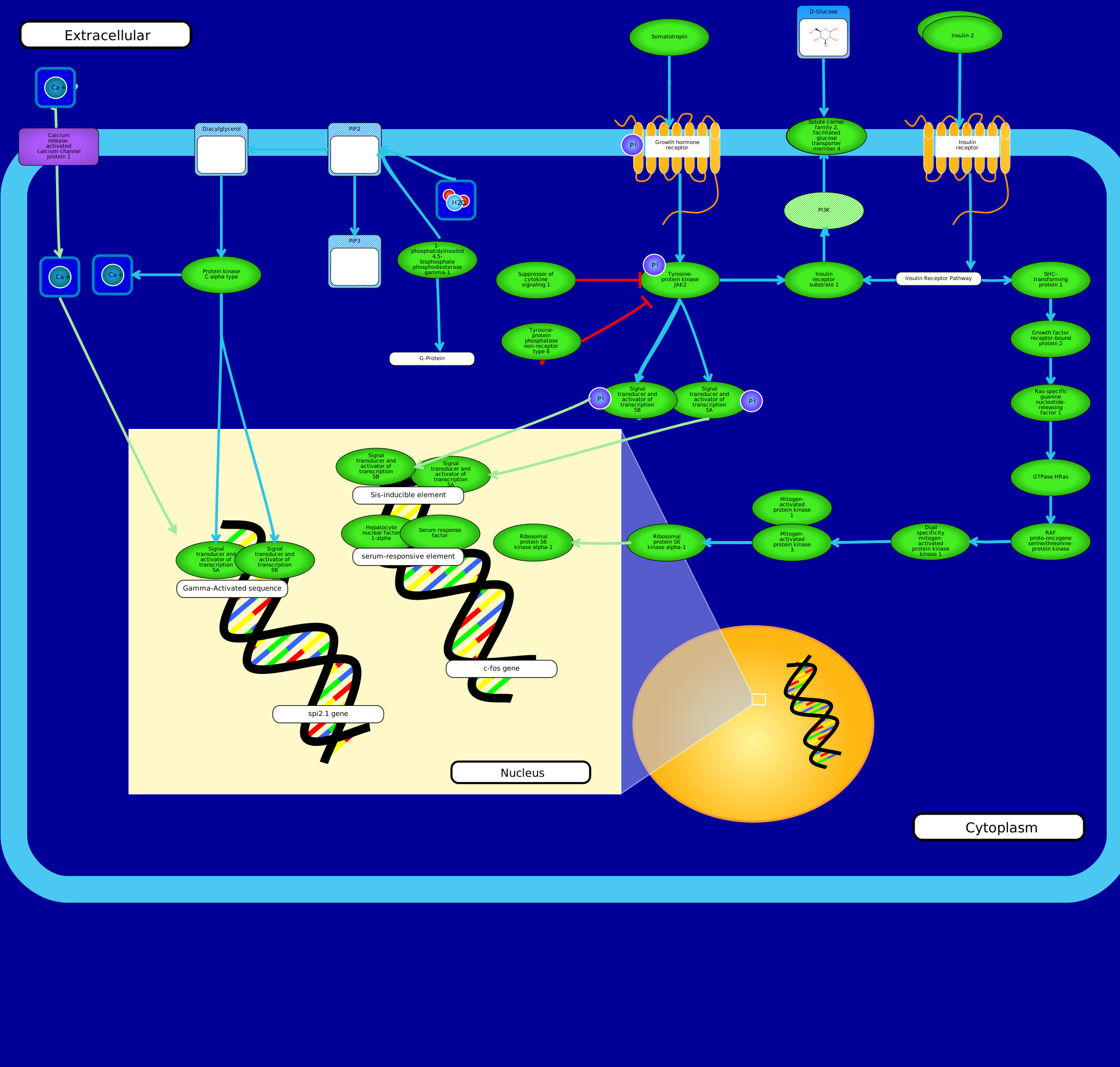 View Pathway
|
protein
Growth Hormone Signaling PathwayRattus norvegicus
Growth hormone is the hormone primarily responsible for body growth. Growth hormone (GH) binds membrane-bound growth hormone receptor (GHR) to activate and enhance the binding of JAK2. This stimulates phosphorylation of JAK2 and GHR. JAK2 initiates GH signal transduction. This activation initiates multiple signalling pathways: STAT transcription factors, activation of kinases, and insulin receptor pathways. GH stimulates Signal Transducer and Activator of Transcription (STAT) and its binding to Sis-inducible elements of the c-fos promoter. C-fos expression has input from multiple pathways. The serum response element binds serum response factors and other complex transcription factors regulated by GH via the MEK/ERK pathway. STAT 5 is also involved in the synthesis of many GH-sensitive genes. STAT proteins are phosphorylated and then released from the GH/JAK2 complex. Once released, they become dimers and move to the nucleus to bind binding sites in GH-regulated genes. STAT proteins may also dimerize with other transcription factors to regulate transcription. GH can stimulate glucose transport in the cell through JAK2 stimulation of IRS proteins that recruit PI3K to regulate glucose transport.
|
Creator: Ana Marcu Created On: September 20, 2018 at 15:01 Last Updated: September 20, 2018 at 15:01 |
PW128549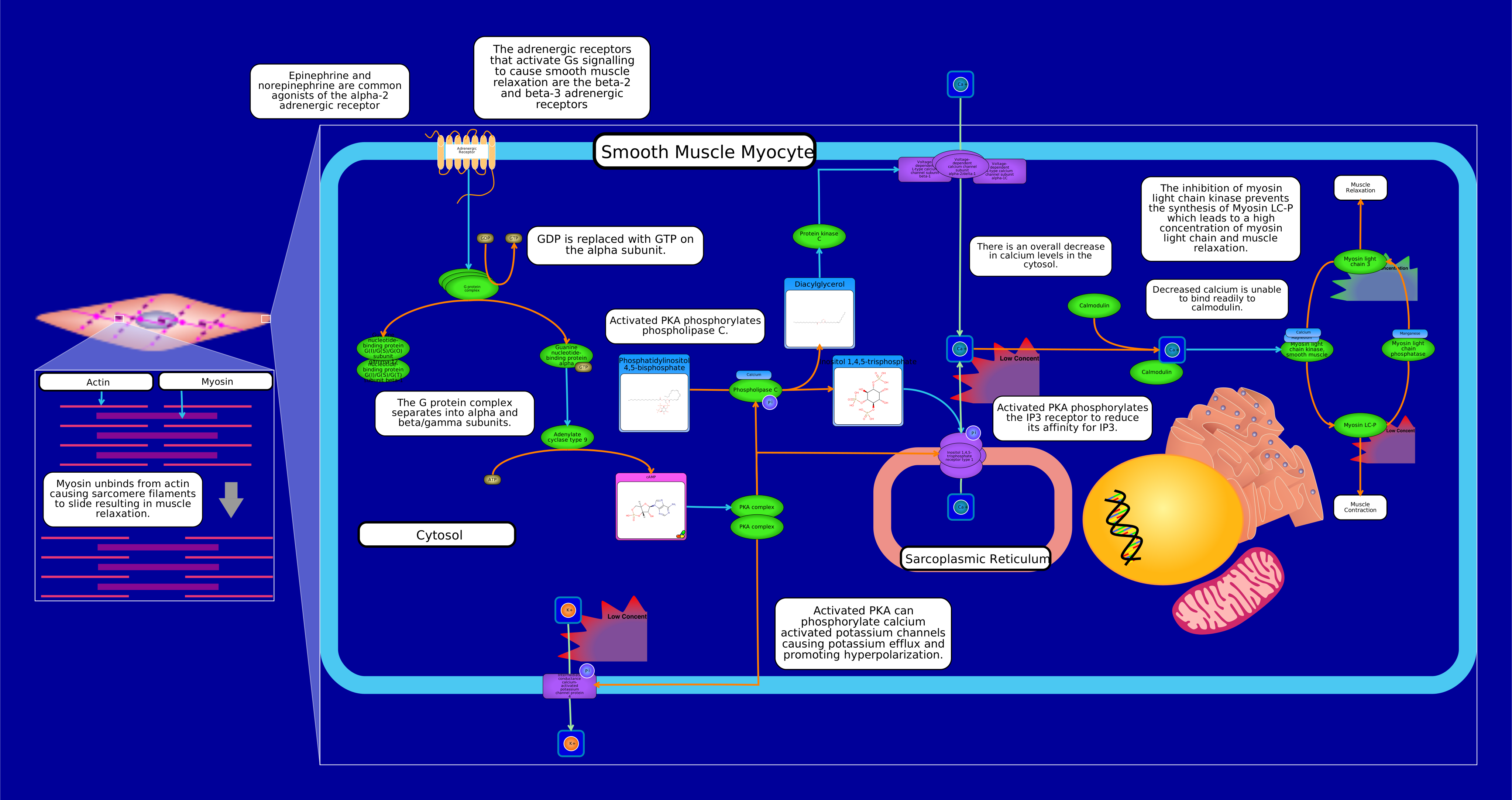 View Pathway
|
physiological
Gs Adrenergic Smooth Muscle RelaxationHomo sapiens
The mechanism of adrenoreceptors. Adrenaline or noradrenaline are receptor ligands to either α1, α2 or β-adrenoreceptors. The β receptor couples to Gs and increases intracellular cAMP activity, resulting in e.g. heart muscle contraction, smooth muscle relaxation and glycogenolysis. There are two main groups of adrenoreceptors, α and β, with 9 subtypes in total. Smooth muscle behavior is variable depending on anatomical location. One important note is the differential effects of increased cAMP in smooth muscle compared to cardiac muscle. Increased cAMP will promote relaxation in smooth muscle, while promoting increased contractility and pulse rate in cardiac muscle. The Gs alpha subunit (Gαs, Gsα) is a subunit of the heterotrimeric G protein Gs that stimulates the cAMP-dependent pathway by activating adenylyl cyclase. Gsα is a GTPase that functions as a cellular signaling protein. Gsα is the founding member of one of the four families of heterotrimeric G proteins, defined by the alpha subunits they contain: the Gαs family, Gαi/Gαo family, Gαq family, and Gα12/Gα13 family. The general function of Gs is to activate intracellular signaling pathways in response to activation of cell surface G protein-coupled receptors (GPCRs). GPCRs function as part of a three-component system of receptor-transducer-effector. The transducer in this system is a heterotrimeric G protein, composed of three subunits: a Gα protein such as Gsα, and a complex of two tightly linked proteins called Gβ and Gγ in a Gβγ complex. When not stimulated by a receptor, Gα is bound to GDP and to Gβγ to form the inactive G protein trimer. When the receptor binds an activating ligand outside the cell (such as a hormone or neurotransmitter), the activated receptor acts as a guanine nucleotide exchange factor to promote GDP release from and GTP binding to Gα, which drives dissociation of GTP-bound Gα from Gβγ. In particular, GTP-bound, activated Gsα binds to adenylyl cyclase to produce the second messenger cAMP, which in turn activates the cAMP-dependent protein kinase (also called Protein Kinase A or PKA). Cellular effects of Gsα acting through PKA are described here. Although each GTP-bound Gsα can activate only one adenylyl cyclase enzyme, amplification of the signal occurs because one receptor can activate multiple copies of Gs while that receptor remains bound to its activating agonist, and each Gsα-bound adenylyl cyclase enzyme can generate substantial cAMP to activate many copies of PKA.
|
Creator: Hayley Created On: September 02, 2023 at 11:02 Last Updated: September 02, 2023 at 11:02 |
PW128551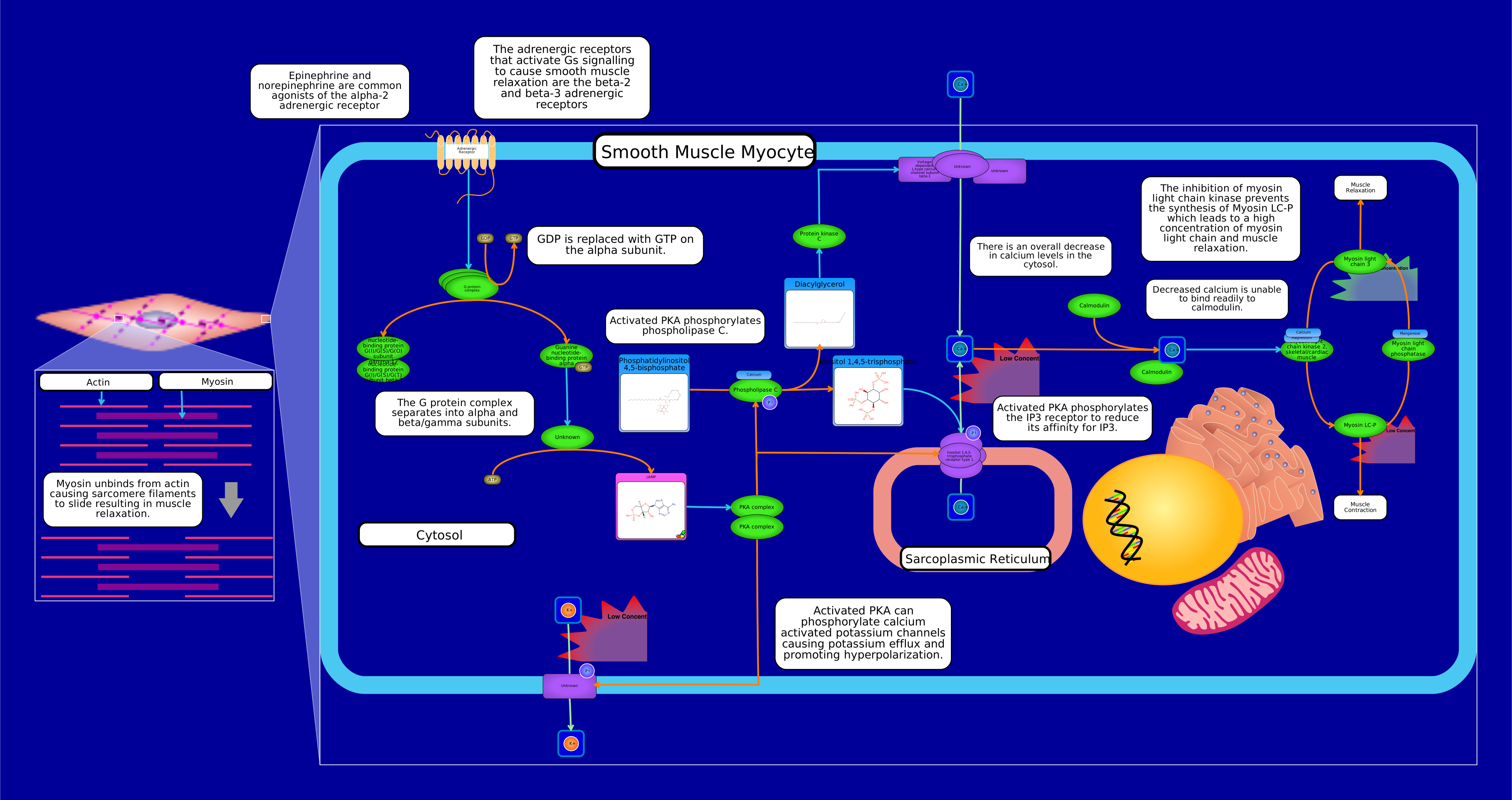 View Pathway
|
physiological
Gs Adrenergic Smooth Muscle RelaxationRattus norvegicus
The mechanism of adrenoreceptors. Adrenaline or noradrenaline are receptor ligands to either α1, α2 or β-adrenoreceptors. The β receptor couples to Gs and increases intracellular cAMP activity, resulting in e.g. heart muscle contraction, smooth muscle relaxation and glycogenolysis. There are two main groups of adrenoreceptors, α and β, with 9 subtypes in total. Smooth muscle behavior is variable depending on anatomical location. One important note is the differential effects of increased cAMP in smooth muscle compared to cardiac muscle. Increased cAMP will promote relaxation in smooth muscle, while promoting increased contractility and pulse rate in cardiac muscle. The Gs alpha subunit (Gαs, Gsα) is a subunit of the heterotrimeric G protein Gs that stimulates the cAMP-dependent pathway by activating adenylyl cyclase. Gsα is a GTPase that functions as a cellular signaling protein. Gsα is the founding member of one of the four families of heterotrimeric G proteins, defined by the alpha subunits they contain: the Gαs family, Gαi/Gαo family, Gαq family, and Gα12/Gα13 family. The general function of Gs is to activate intracellular signaling pathways in response to activation of cell surface G protein-coupled receptors (GPCRs). GPCRs function as part of a three-component system of receptor-transducer-effector. The transducer in this system is a heterotrimeric G protein, composed of three subunits: a Gα protein such as Gsα, and a complex of two tightly linked proteins called Gβ and Gγ in a Gβγ complex. When not stimulated by a receptor, Gα is bound to GDP and to Gβγ to form the inactive G protein trimer. When the receptor binds an activating ligand outside the cell (such as a hormone or neurotransmitter), the activated receptor acts as a guanine nucleotide exchange factor to promote GDP release from and GTP binding to Gα, which drives dissociation of GTP-bound Gα from Gβγ. In particular, GTP-bound, activated Gsα binds to adenylyl cyclase to produce the second messenger cAMP, which in turn activates the cAMP-dependent protein kinase (also called Protein Kinase A or PKA). Cellular effects of Gsα acting through PKA are described here. Although each GTP-bound Gsα can activate only one adenylyl cyclase enzyme, amplification of the signal occurs because one receptor can activate multiple copies of Gs while that receptor remains bound to its activating agonist, and each Gsα-bound adenylyl cyclase enzyme can generate substantial cAMP to activate many copies of PKA.
|
Creator: Hayley Created On: September 02, 2023 at 11:30 Last Updated: September 02, 2023 at 11:30 |
PW128552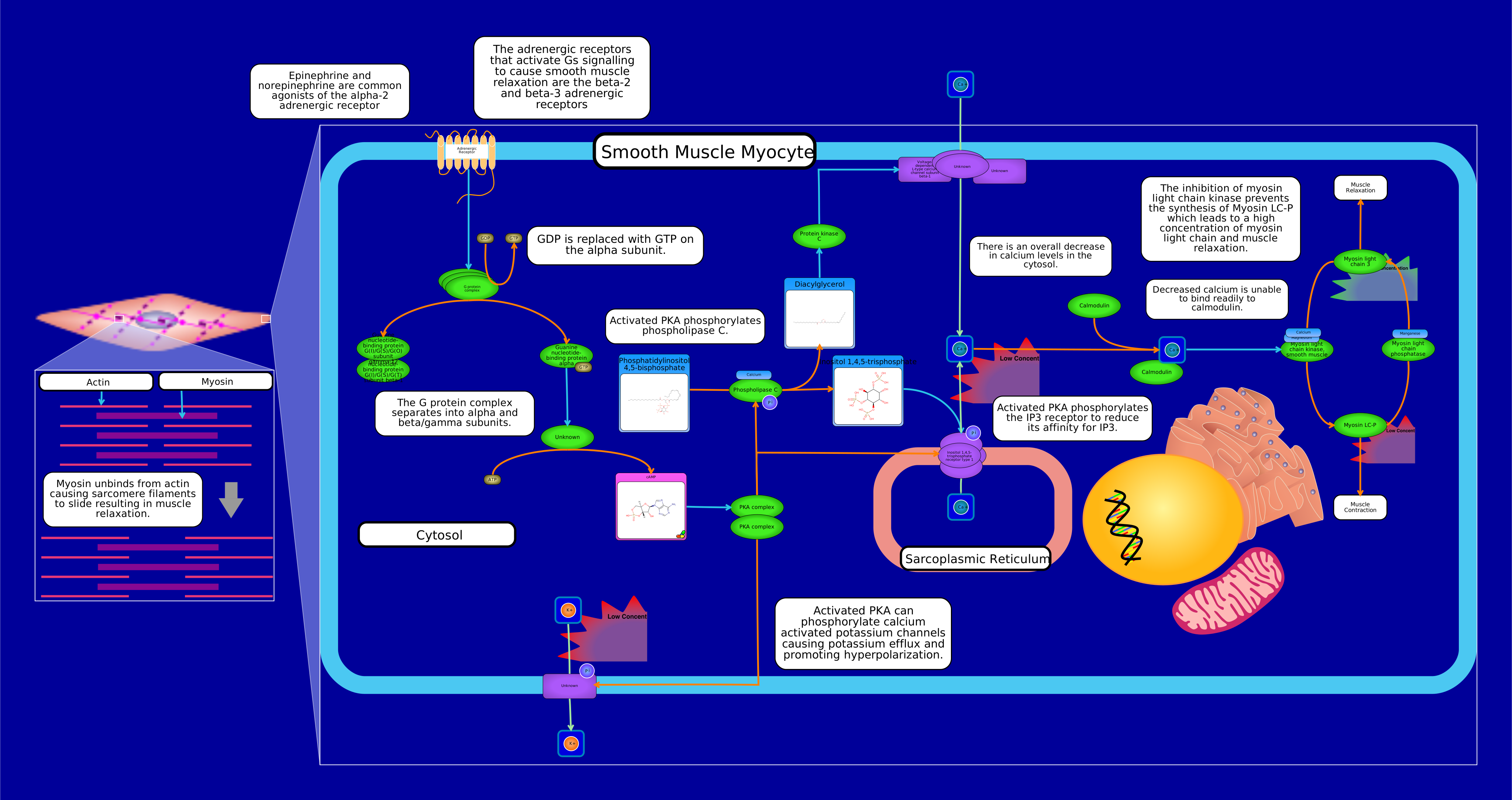 View Pathway
|
physiological
Gs Adrenergic Smooth Muscle RelaxationBos taurus
The mechanism of adrenoreceptors. Adrenaline or noradrenaline are receptor ligands to either α1, α2 or β-adrenoreceptors. The β receptor couples to Gs and increases intracellular cAMP activity, resulting in e.g. heart muscle contraction, smooth muscle relaxation and glycogenolysis. There are two main groups of adrenoreceptors, α and β, with 9 subtypes in total. Smooth muscle behavior is variable depending on anatomical location. One important note is the differential effects of increased cAMP in smooth muscle compared to cardiac muscle. Increased cAMP will promote relaxation in smooth muscle, while promoting increased contractility and pulse rate in cardiac muscle. The Gs alpha subunit (Gαs, Gsα) is a subunit of the heterotrimeric G protein Gs that stimulates the cAMP-dependent pathway by activating adenylyl cyclase. Gsα is a GTPase that functions as a cellular signaling protein. Gsα is the founding member of one of the four families of heterotrimeric G proteins, defined by the alpha subunits they contain: the Gαs family, Gαi/Gαo family, Gαq family, and Gα12/Gα13 family. The general function of Gs is to activate intracellular signaling pathways in response to activation of cell surface G protein-coupled receptors (GPCRs). GPCRs function as part of a three-component system of receptor-transducer-effector. The transducer in this system is a heterotrimeric G protein, composed of three subunits: a Gα protein such as Gsα, and a complex of two tightly linked proteins called Gβ and Gγ in a Gβγ complex. When not stimulated by a receptor, Gα is bound to GDP and to Gβγ to form the inactive G protein trimer. When the receptor binds an activating ligand outside the cell (such as a hormone or neurotransmitter), the activated receptor acts as a guanine nucleotide exchange factor to promote GDP release from and GTP binding to Gα, which drives dissociation of GTP-bound Gα from Gβγ. In particular, GTP-bound, activated Gsα binds to adenylyl cyclase to produce the second messenger cAMP, which in turn activates the cAMP-dependent protein kinase (also called Protein Kinase A or PKA). Cellular effects of Gsα acting through PKA are described here. Although each GTP-bound Gsα can activate only one adenylyl cyclase enzyme, amplification of the signal occurs because one receptor can activate multiple copies of Gs while that receptor remains bound to its activating agonist, and each Gsα-bound adenylyl cyclase enzyme can generate substantial cAMP to activate many copies of PKA.
|
Creator: Hayley Created On: September 02, 2023 at 11:30 Last Updated: September 02, 2023 at 11:30 |
PW128550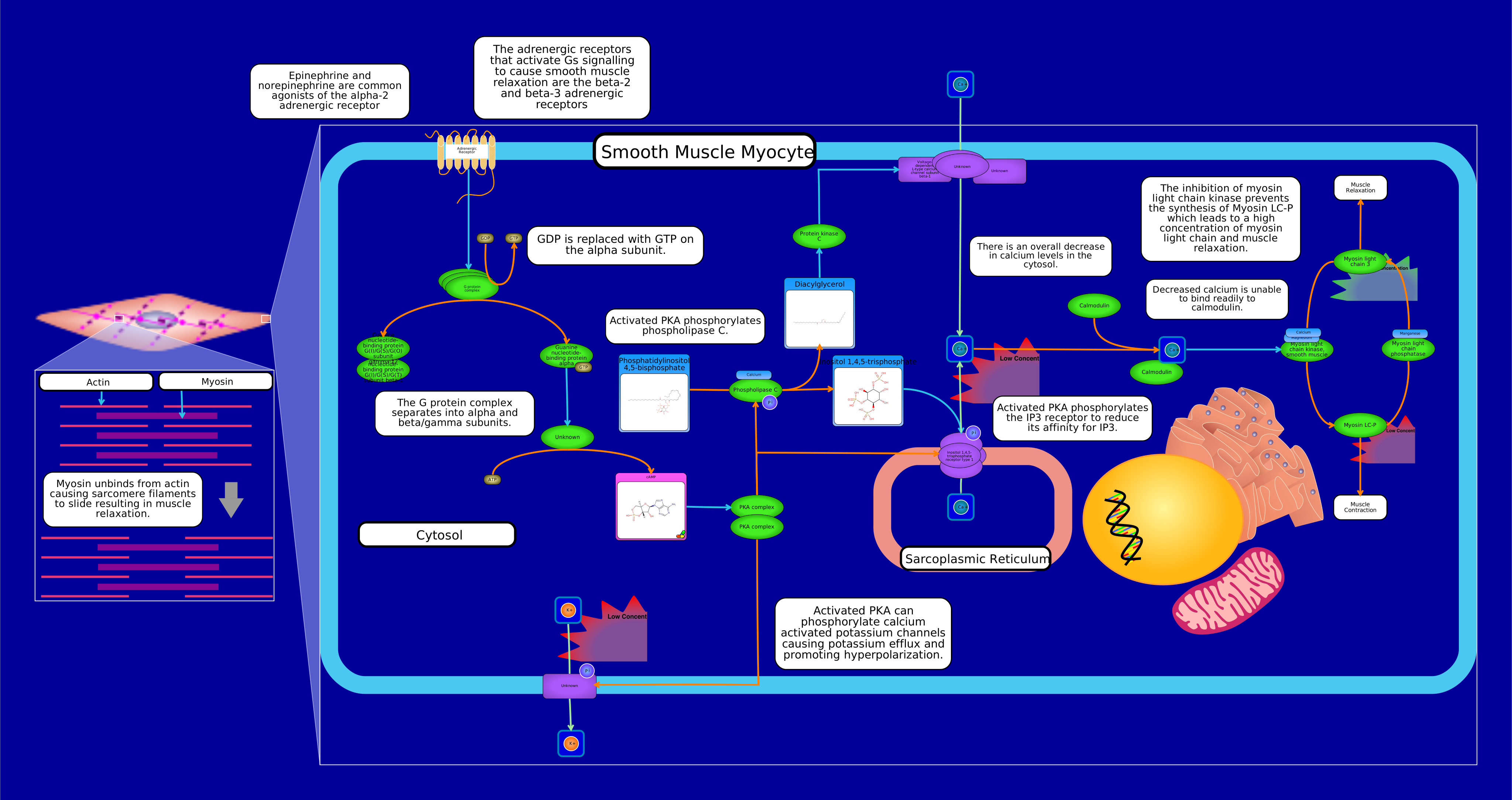 View Pathway
|
physiological
Gs Adrenergic Smooth Muscle RelaxationMus musculus
The mechanism of adrenoreceptors. Adrenaline or noradrenaline are receptor ligands to either α1, α2 or β-adrenoreceptors. The β receptor couples to Gs and increases intracellular cAMP activity, resulting in e.g. heart muscle contraction, smooth muscle relaxation and glycogenolysis. There are two main groups of adrenoreceptors, α and β, with 9 subtypes in total. Smooth muscle behavior is variable depending on anatomical location. One important note is the differential effects of increased cAMP in smooth muscle compared to cardiac muscle. Increased cAMP will promote relaxation in smooth muscle, while promoting increased contractility and pulse rate in cardiac muscle. The Gs alpha subunit (Gαs, Gsα) is a subunit of the heterotrimeric G protein Gs that stimulates the cAMP-dependent pathway by activating adenylyl cyclase. Gsα is a GTPase that functions as a cellular signaling protein. Gsα is the founding member of one of the four families of heterotrimeric G proteins, defined by the alpha subunits they contain: the Gαs family, Gαi/Gαo family, Gαq family, and Gα12/Gα13 family. The general function of Gs is to activate intracellular signaling pathways in response to activation of cell surface G protein-coupled receptors (GPCRs). GPCRs function as part of a three-component system of receptor-transducer-effector. The transducer in this system is a heterotrimeric G protein, composed of three subunits: a Gα protein such as Gsα, and a complex of two tightly linked proteins called Gβ and Gγ in a Gβγ complex. When not stimulated by a receptor, Gα is bound to GDP and to Gβγ to form the inactive G protein trimer. When the receptor binds an activating ligand outside the cell (such as a hormone or neurotransmitter), the activated receptor acts as a guanine nucleotide exchange factor to promote GDP release from and GTP binding to Gα, which drives dissociation of GTP-bound Gα from Gβγ. In particular, GTP-bound, activated Gsα binds to adenylyl cyclase to produce the second messenger cAMP, which in turn activates the cAMP-dependent protein kinase (also called Protein Kinase A or PKA). Cellular effects of Gsα acting through PKA are described here. Although each GTP-bound Gsα can activate only one adenylyl cyclase enzyme, amplification of the signal occurs because one receptor can activate multiple copies of Gs while that receptor remains bound to its activating agonist, and each Gsα-bound adenylyl cyclase enzyme can generate substantial cAMP to activate many copies of PKA.
|
Creator: Hayley Created On: September 02, 2023 at 11:30 Last Updated: September 02, 2023 at 11:30 |
PW128587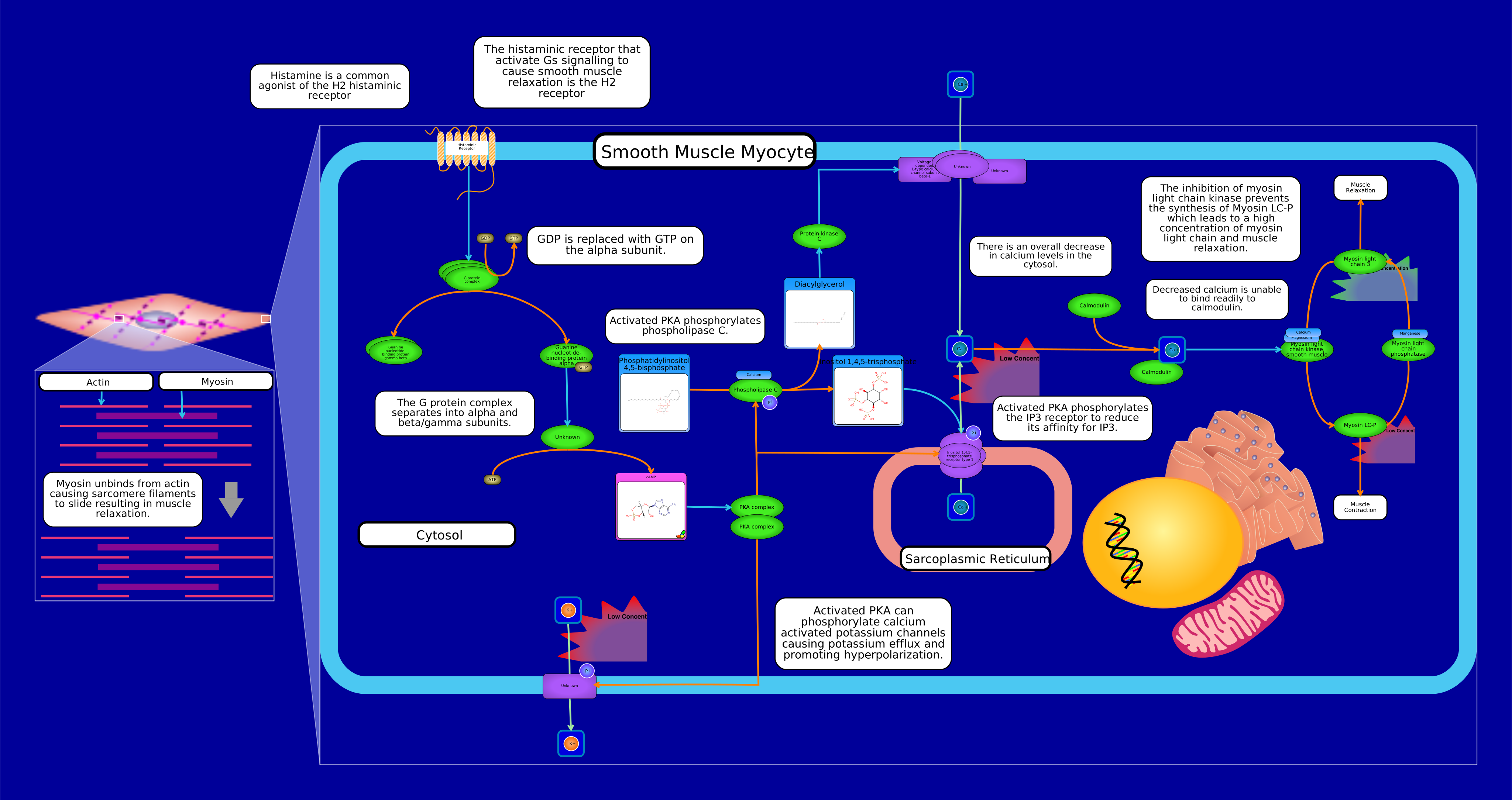 View Pathway
|
physiological
Gs Histaminic Smooth Muscle RelaxationBos taurus
The Gs alpha subunit (Gαs, Gsα) is a subunit of the heterotrimeric G protein Gs that stimulates the cAMP-dependent pathway by activating adenylyl cyclase. Gsα is a GTPase that functions as a cellular signaling protein. Gsα is the founding member of one of the four families of heterotrimeric G proteins, defined by the alpha subunits they contain: the Gαs family, Gαi/Gαo family, Gαq family, and Gα12/Gα13 family. The Gs-family has only two members: the other member is Golf, named for its predominant expression in the olfactory system. In humans, Gsα is encoded by the GNAS complex locus, while Golfα is encoded by the GNAL gene. The general function of Gs is to activate intracellular signaling pathways in response to activation of cell surface G protein-coupled receptors (GPCRs). GPCRs function as part of a three-component system of receptor-transducer-effector. The transducer in this system is a heterotrimeric G protein, composed of three subunits: a Gα protein such as Gsα, and a complex of two tightly linked proteins called Gβ and Gγ in a Gβγ complex. When not stimulated by a receptor, Gα is bound to GDP and to Gβγ to form the inactive G protein trimer. When the receptor binds an activating ligand outside the cell (such as a hormone or neurotransmitter), the activated receptor acts as a guanine nucleotide exchange factor to promote GDP release from and GTP binding to Gα, which drives dissociation of GTP-bound Gα from Gβγ. In particular, GTP-bound, activated Gsα binds to adenylyl cyclase to produce the second messenger cAMP, which in turn activates the cAMP-dependent protein kinase (also called Protein Kinase A or PKA). Cellular effects of Gsα acting through PKA are described here. Although each GTP-bound Gsα can activate only one adenylyl cyclase enzyme, amplification of the signal occurs because one receptor can activate multiple copies of Gs while that receptor remains bound to its activating agonist, and each Gsα-bound adenylyl cyclase enzyme can generate substantial cAMP to activate many copies of PKA. H2 receptors are positively coupled to adenylate cyclase via Gs alpha subunit. It is a potent stimulant of cAMP production, which leads to activation of protein kinase A. PKA functions to phosphorylate certain proteins, affecting their activity. Activation of the H2 receptor results in the following physiological responses: stimulation of gastric acid secretion (Target of anti-histaminergics (H2 receptors) for peptic ulcer disease and GERD), smooth muscle relaxation (Experimental histamine H2 receptor agonist used for asthma and COPD), and vasodilation – PKA activity causes phosphorylation of MLCK, decreasing its activity, resulting in MLC of myosin being dephosphorylated by MLCP and thus inhibiting contraction. The smooth muscle relaxation leads to vasodilation.
|
Creator: Hayley Created On: September 05, 2023 at 12:34 Last Updated: September 05, 2023 at 12:34 |