
| PathWhiz ID | Pathway | Meta Data |
|---|---|---|
PW482883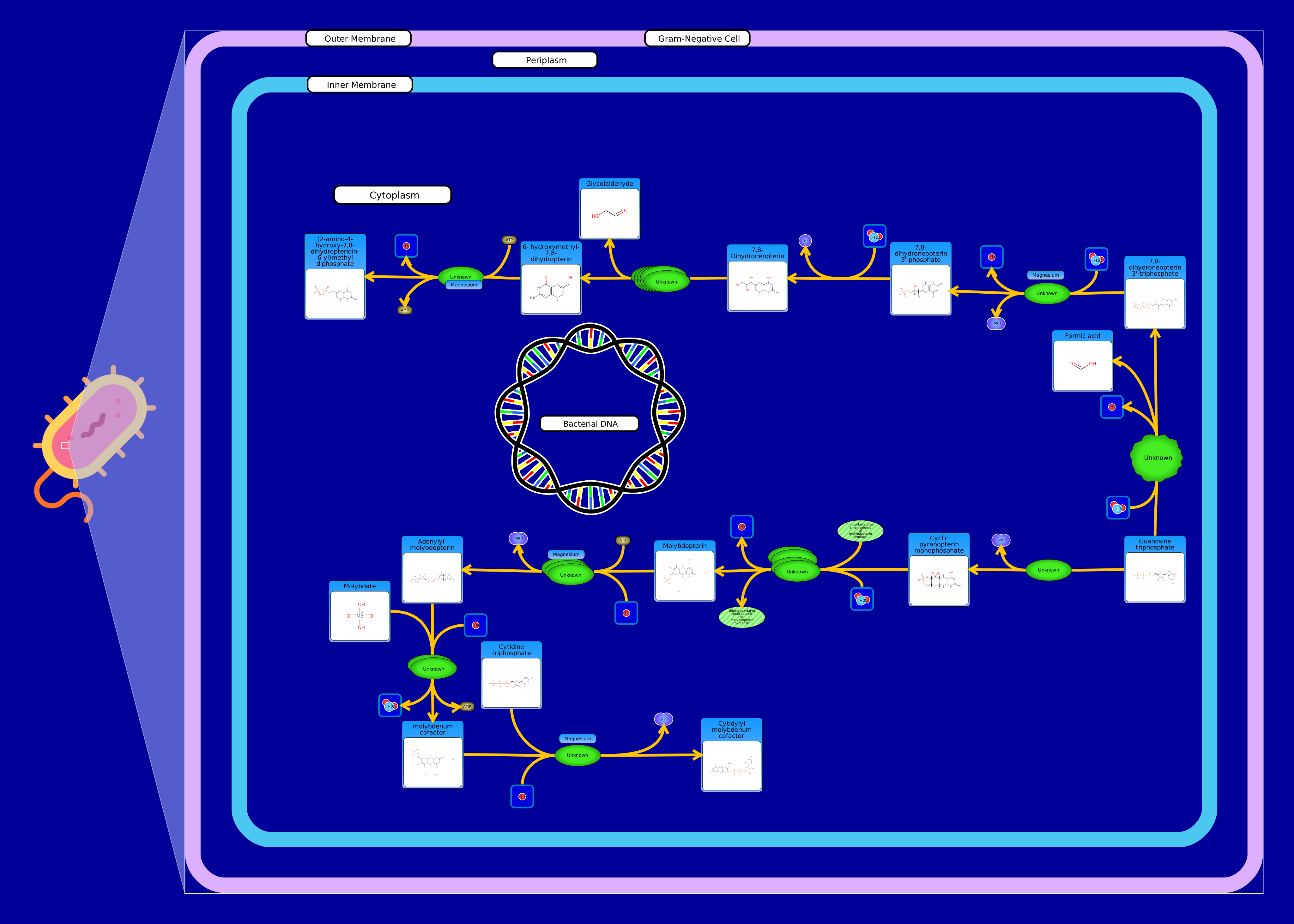 View Pathway
|
GTP Degradation and Molybdenum Cofactor BiosynthesisBacteroides coprocola
GTP, produced in the nucleotide de novo biosyntheis pathway, interacts with a water molecule through a GTP cyclohydrolase resulting in a formate, hydrogen ion and a 7,8-dihydroneopterin 3'-triphosphate. The latter compound interacts with a water molecule through a dihydroneopterin triphosphate pyrophosphohydrolase resulting in the release of a pyrophosphate, a hydrogen ion and a 7,8-dihydroneopterin 3'-phosphate. The latter compound interacts with water spontaneously resulting in the release of a phosphate and a 7,8 dihydroneopterin. The latter compound interacts with a dihydroneopterin aldolase resulting in the release of a glycolaldehyde and a 6-hydroxymethyl-7,8-dihydropterin. This compound then is then diphosphorylated by reacting with a ATP driven 6-hydroxymethyl-7,8-dihydropterin pyrophosphokinase resulting in the release of a hydrogen ion, an AMP and 6-hydroxymethyl-7,8-dihydropterin diphosphate.
GTP interacts with a cyclic pyranopterin monophosphate synthase resulting in the release of a diphosphate and a cyclic pyranopterin phosphate. The latter compound interacts with a thiocarboxylated small subunit of molybdopterin synthase (a protein) and a water molecule through a molybdopterin synthase resulting in the release of 4 hydrogen ions, 2 small subunits of molybdopterin synthase and a molybdopterin. The molybdopterin interacts with an ATP and a hydrogen ion through a molybdopterin adenylyltransferase resulting in the release of a diphosphate and a molybdopterin adenine dinucleotide. The latter compound is then metabolized by a hydrogen ion and a molybdate through a molybdopterin molybdenumtransferase resulting in the release of an AMP, a water molecule and a molybdopterin cofactor.
The molybdopterin cofactor can procede to the guanylyl molybdenum cofactor biosynthesis pathway or it can be metabolized into a cytidylyl molybdenum cofactor by interacting with a CTP and a hydrogen ion through a molybdenym cofactor cytidylyltransferase resulting in the release of a pyrophosphate and a cytidyllyl molybdenum cofactor
|
Creator: Julia Wakoli Created On: January 28, 2025 at 21:16 Last Updated: January 28, 2025 at 21:16 |
PW484309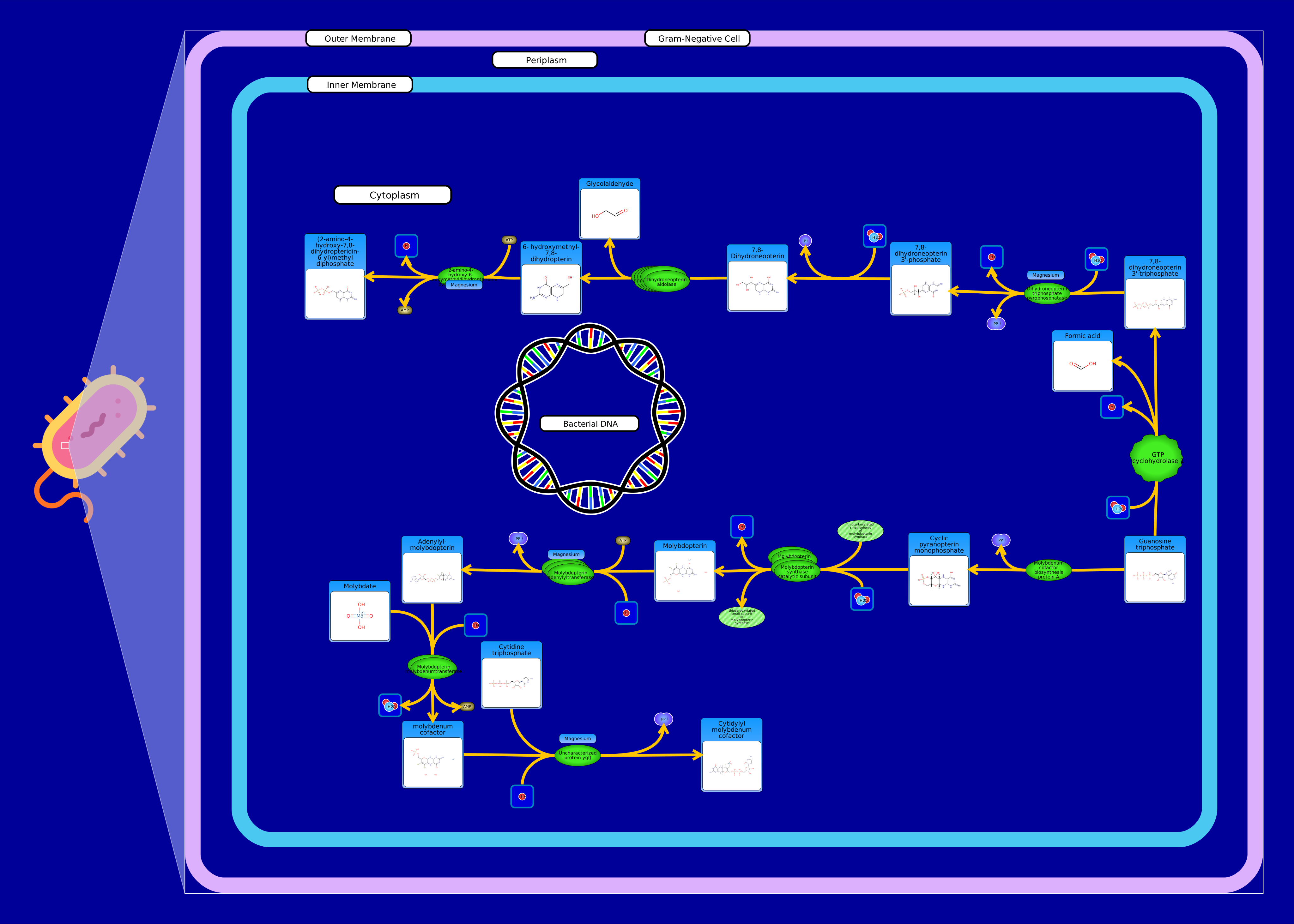 View Pathway
|
GTP Degradation and Molybdenum Cofactor BiosynthesisEscherichia coli O111:H- str. 11128
GTP, produced in the nucleotide de novo biosyntheis pathway, interacts with a water molecule through a GTP cyclohydrolase resulting in a formate, hydrogen ion and a 7,8-dihydroneopterin 3'-triphosphate. The latter compound interacts with a water molecule through a dihydroneopterin triphosphate pyrophosphohydrolase resulting in the release of a pyrophosphate, a hydrogen ion and a 7,8-dihydroneopterin 3'-phosphate. The latter compound interacts with water spontaneously resulting in the release of a phosphate and a 7,8 dihydroneopterin. The latter compound interacts with a dihydroneopterin aldolase resulting in the release of a glycolaldehyde and a 6-hydroxymethyl-7,8-dihydropterin. This compound then is then diphosphorylated by reacting with a ATP driven 6-hydroxymethyl-7,8-dihydropterin pyrophosphokinase resulting in the release of a hydrogen ion, an AMP and 6-hydroxymethyl-7,8-dihydropterin diphosphate.
GTP interacts with a cyclic pyranopterin monophosphate synthase resulting in the release of a diphosphate and a cyclic pyranopterin phosphate. The latter compound interacts with a thiocarboxylated small subunit of molybdopterin synthase (a protein) and a water molecule through a molybdopterin synthase resulting in the release of 4 hydrogen ions, 2 small subunits of molybdopterin synthase and a molybdopterin. The molybdopterin interacts with an ATP and a hydrogen ion through a molybdopterin adenylyltransferase resulting in the release of a diphosphate and a molybdopterin adenine dinucleotide. The latter compound is then metabolized by a hydrogen ion and a molybdate through a molybdopterin molybdenumtransferase resulting in the release of an AMP, a water molecule and a molybdopterin cofactor.
The molybdopterin cofactor can procede to the guanylyl molybdenum cofactor biosynthesis pathway or it can be metabolized into a cytidylyl molybdenum cofactor by interacting with a CTP and a hydrogen ion through a molybdenym cofactor cytidylyltransferase resulting in the release of a pyrophosphate and a cytidyllyl molybdenum cofactor
|
Creator: Julia Wakoli Created On: January 29, 2025 at 07:30 Last Updated: January 29, 2025 at 07:30 |
PW484808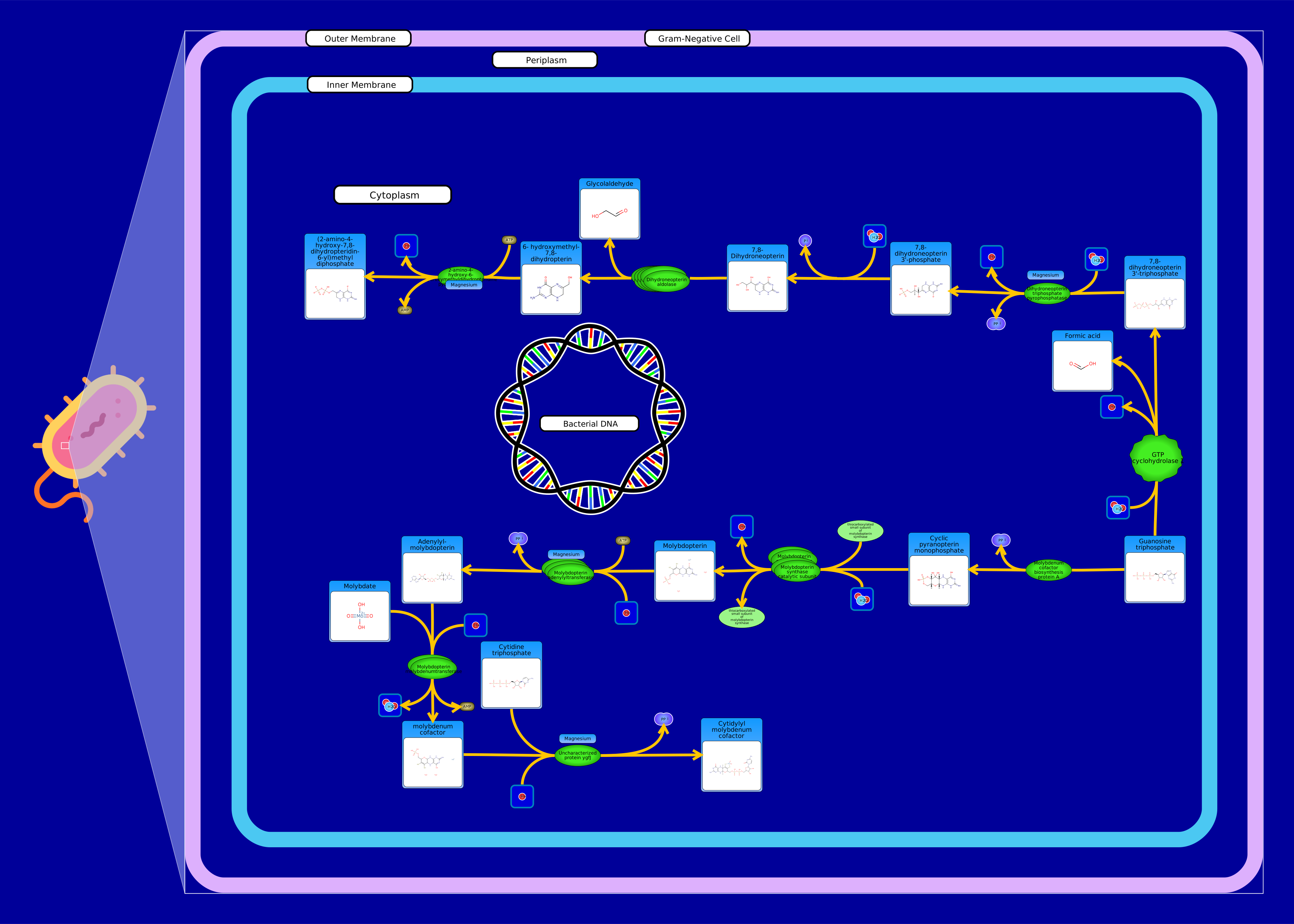 View Pathway
|
GTP Degradation and Molybdenum Cofactor BiosynthesisEscherichia coli 042
GTP, produced in the nucleotide de novo biosyntheis pathway, interacts with a water molecule through a GTP cyclohydrolase resulting in a formate, hydrogen ion and a 7,8-dihydroneopterin 3'-triphosphate. The latter compound interacts with a water molecule through a dihydroneopterin triphosphate pyrophosphohydrolase resulting in the release of a pyrophosphate, a hydrogen ion and a 7,8-dihydroneopterin 3'-phosphate. The latter compound interacts with water spontaneously resulting in the release of a phosphate and a 7,8 dihydroneopterin. The latter compound interacts with a dihydroneopterin aldolase resulting in the release of a glycolaldehyde and a 6-hydroxymethyl-7,8-dihydropterin. This compound then is then diphosphorylated by reacting with a ATP driven 6-hydroxymethyl-7,8-dihydropterin pyrophosphokinase resulting in the release of a hydrogen ion, an AMP and 6-hydroxymethyl-7,8-dihydropterin diphosphate.
GTP interacts with a cyclic pyranopterin monophosphate synthase resulting in the release of a diphosphate and a cyclic pyranopterin phosphate. The latter compound interacts with a thiocarboxylated small subunit of molybdopterin synthase (a protein) and a water molecule through a molybdopterin synthase resulting in the release of 4 hydrogen ions, 2 small subunits of molybdopterin synthase and a molybdopterin. The molybdopterin interacts with an ATP and a hydrogen ion through a molybdopterin adenylyltransferase resulting in the release of a diphosphate and a molybdopterin adenine dinucleotide. The latter compound is then metabolized by a hydrogen ion and a molybdate through a molybdopterin molybdenumtransferase resulting in the release of an AMP, a water molecule and a molybdopterin cofactor.
The molybdopterin cofactor can procede to the guanylyl molybdenum cofactor biosynthesis pathway or it can be metabolized into a cytidylyl molybdenum cofactor by interacting with a CTP and a hydrogen ion through a molybdenym cofactor cytidylyltransferase resulting in the release of a pyrophosphate and a cytidyllyl molybdenum cofactor
|
Creator: Julia Wakoli Created On: January 29, 2025 at 10:56 Last Updated: January 29, 2025 at 10:56 |
PW488014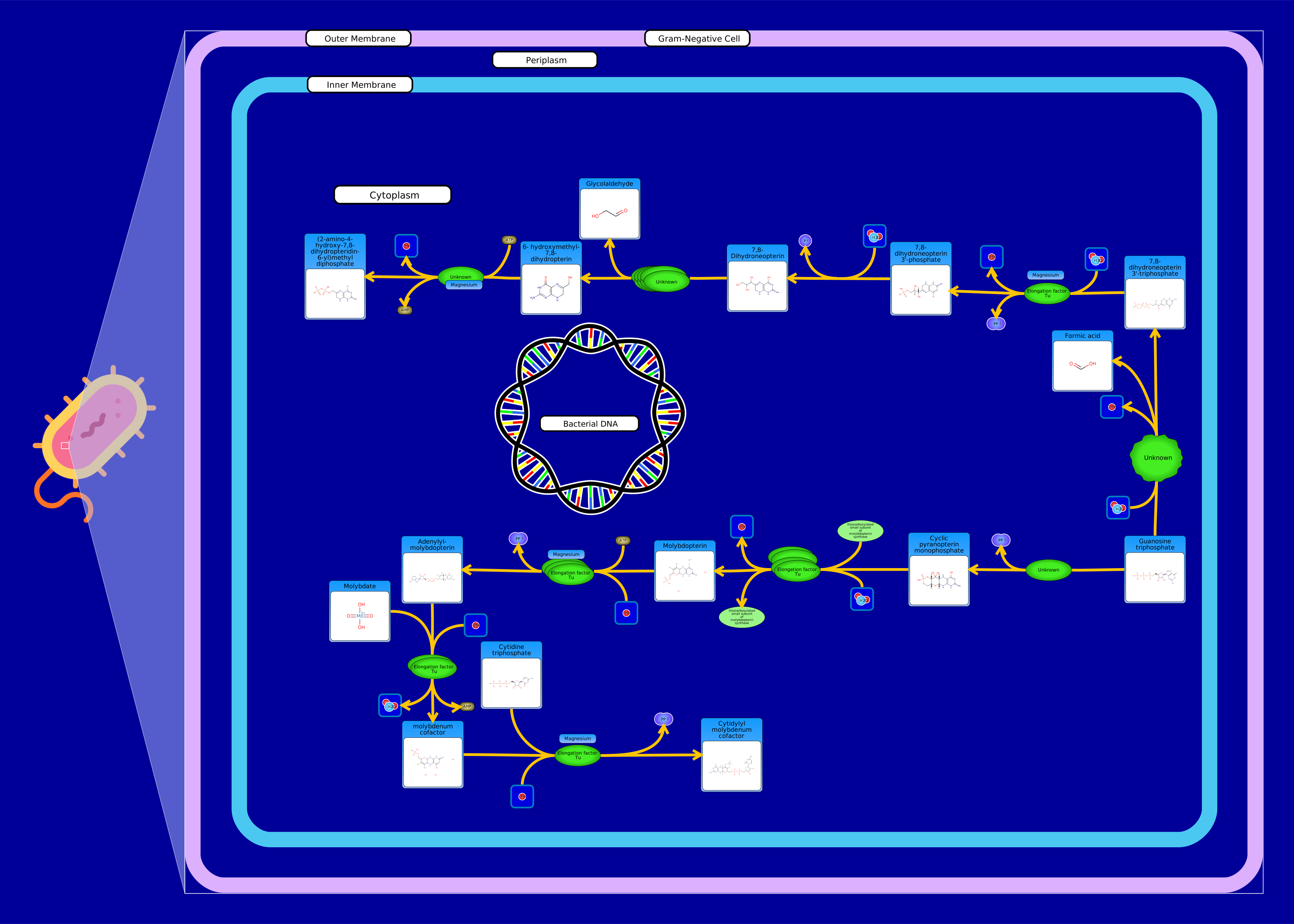 View Pathway
|
GTP Degradation and Molybdenum Cofactor BiosynthesisRaoultella planticola ATCC 33531
GTP, produced in the nucleotide de novo biosyntheis pathway, interacts with a water molecule through a GTP cyclohydrolase resulting in a formate, hydrogen ion and a 7,8-dihydroneopterin 3'-triphosphate. The latter compound interacts with a water molecule through a dihydroneopterin triphosphate pyrophosphohydrolase resulting in the release of a pyrophosphate, a hydrogen ion and a 7,8-dihydroneopterin 3'-phosphate. The latter compound interacts with water spontaneously resulting in the release of a phosphate and a 7,8 dihydroneopterin. The latter compound interacts with a dihydroneopterin aldolase resulting in the release of a glycolaldehyde and a 6-hydroxymethyl-7,8-dihydropterin. This compound then is then diphosphorylated by reacting with a ATP driven 6-hydroxymethyl-7,8-dihydropterin pyrophosphokinase resulting in the release of a hydrogen ion, an AMP and 6-hydroxymethyl-7,8-dihydropterin diphosphate.
GTP interacts with a cyclic pyranopterin monophosphate synthase resulting in the release of a diphosphate and a cyclic pyranopterin phosphate. The latter compound interacts with a thiocarboxylated small subunit of molybdopterin synthase (a protein) and a water molecule through a molybdopterin synthase resulting in the release of 4 hydrogen ions, 2 small subunits of molybdopterin synthase and a molybdopterin. The molybdopterin interacts with an ATP and a hydrogen ion through a molybdopterin adenylyltransferase resulting in the release of a diphosphate and a molybdopterin adenine dinucleotide. The latter compound is then metabolized by a hydrogen ion and a molybdate through a molybdopterin molybdenumtransferase resulting in the release of an AMP, a water molecule and a molybdopterin cofactor.
The molybdopterin cofactor can procede to the guanylyl molybdenum cofactor biosynthesis pathway or it can be metabolized into a cytidylyl molybdenum cofactor by interacting with a CTP and a hydrogen ion through a molybdenym cofactor cytidylyltransferase resulting in the release of a pyrophosphate and a cytidyllyl molybdenum cofactor
|
Creator: Julia Wakoli Created On: January 30, 2025 at 09:28 Last Updated: January 30, 2025 at 09:28 |
PW472512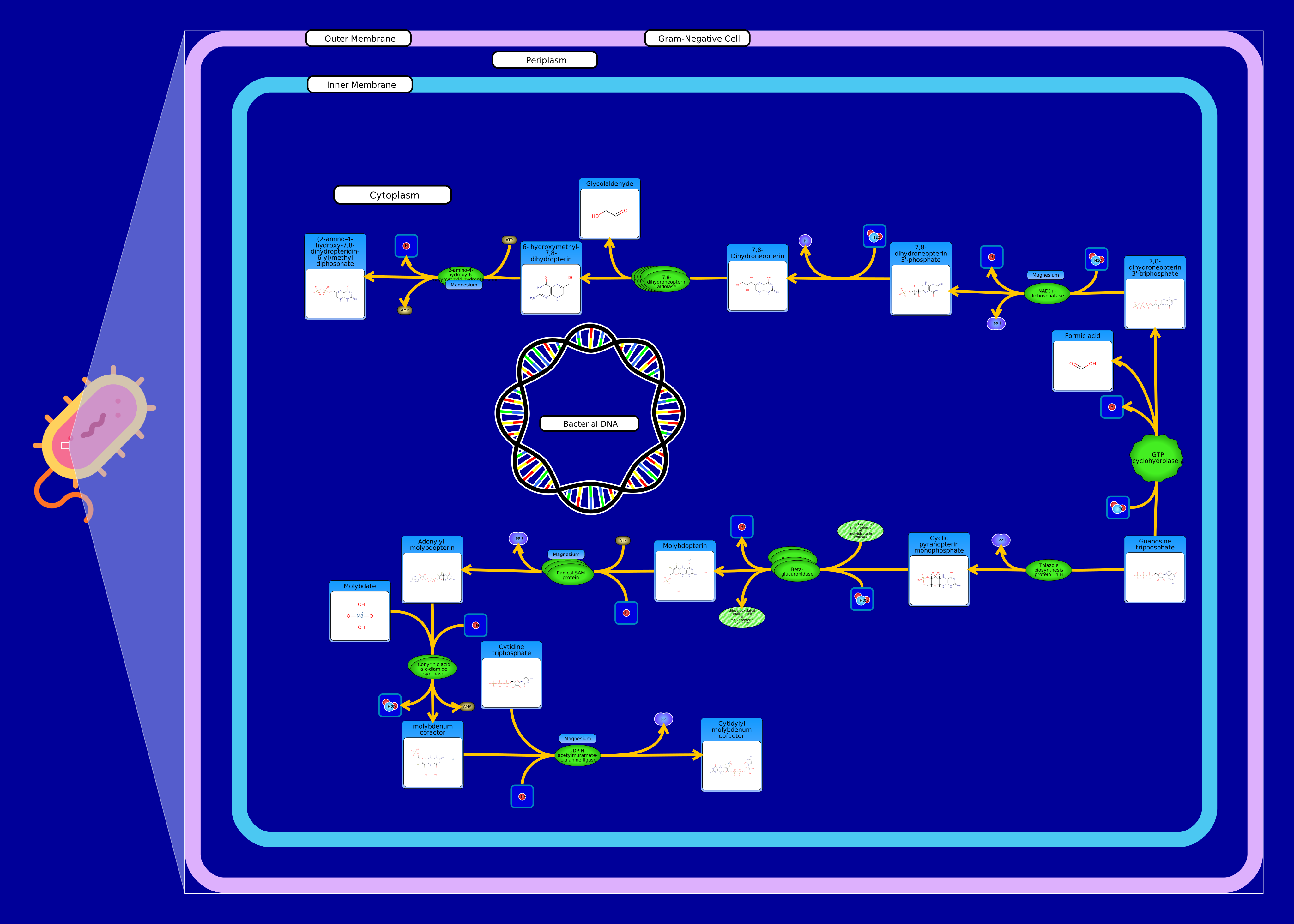 View Pathway
|
GTP Degradation and Molybdenum Cofactor BiosynthesisBacteroides sp. 4_1_36
GTP, produced in the nucleotide de novo biosyntheis pathway, interacts with a water molecule through a GTP cyclohydrolase resulting in a formate, hydrogen ion and a 7,8-dihydroneopterin 3'-triphosphate. The latter compound interacts with a water molecule through a dihydroneopterin triphosphate pyrophosphohydrolase resulting in the release of a pyrophosphate, a hydrogen ion and a 7,8-dihydroneopterin 3'-phosphate. The latter compound interacts with water spontaneously resulting in the release of a phosphate and a 7,8 dihydroneopterin. The latter compound interacts with a dihydroneopterin aldolase resulting in the release of a glycolaldehyde and a 6-hydroxymethyl-7,8-dihydropterin. This compound then is then diphosphorylated by reacting with a ATP driven 6-hydroxymethyl-7,8-dihydropterin pyrophosphokinase resulting in the release of a hydrogen ion, an AMP and 6-hydroxymethyl-7,8-dihydropterin diphosphate.
GTP interacts with a cyclic pyranopterin monophosphate synthase resulting in the release of a diphosphate and a cyclic pyranopterin phosphate. The latter compound interacts with a thiocarboxylated small subunit of molybdopterin synthase (a protein) and a water molecule through a molybdopterin synthase resulting in the release of 4 hydrogen ions, 2 small subunits of molybdopterin synthase and a molybdopterin. The molybdopterin interacts with an ATP and a hydrogen ion through a molybdopterin adenylyltransferase resulting in the release of a diphosphate and a molybdopterin adenine dinucleotide. The latter compound is then metabolized by a hydrogen ion and a molybdate through a molybdopterin molybdenumtransferase resulting in the release of an AMP, a water molecule and a molybdopterin cofactor.
The molybdopterin cofactor can procede to the guanylyl molybdenum cofactor biosynthesis pathway or it can be metabolized into a cytidylyl molybdenum cofactor by interacting with a CTP and a hydrogen ion through a molybdenym cofactor cytidylyltransferase resulting in the release of a pyrophosphate and a cytidyllyl molybdenum cofactor
|
Creator: Julia Wakoli Created On: January 23, 2025 at 16:19 Last Updated: January 23, 2025 at 16:19 |
PW472409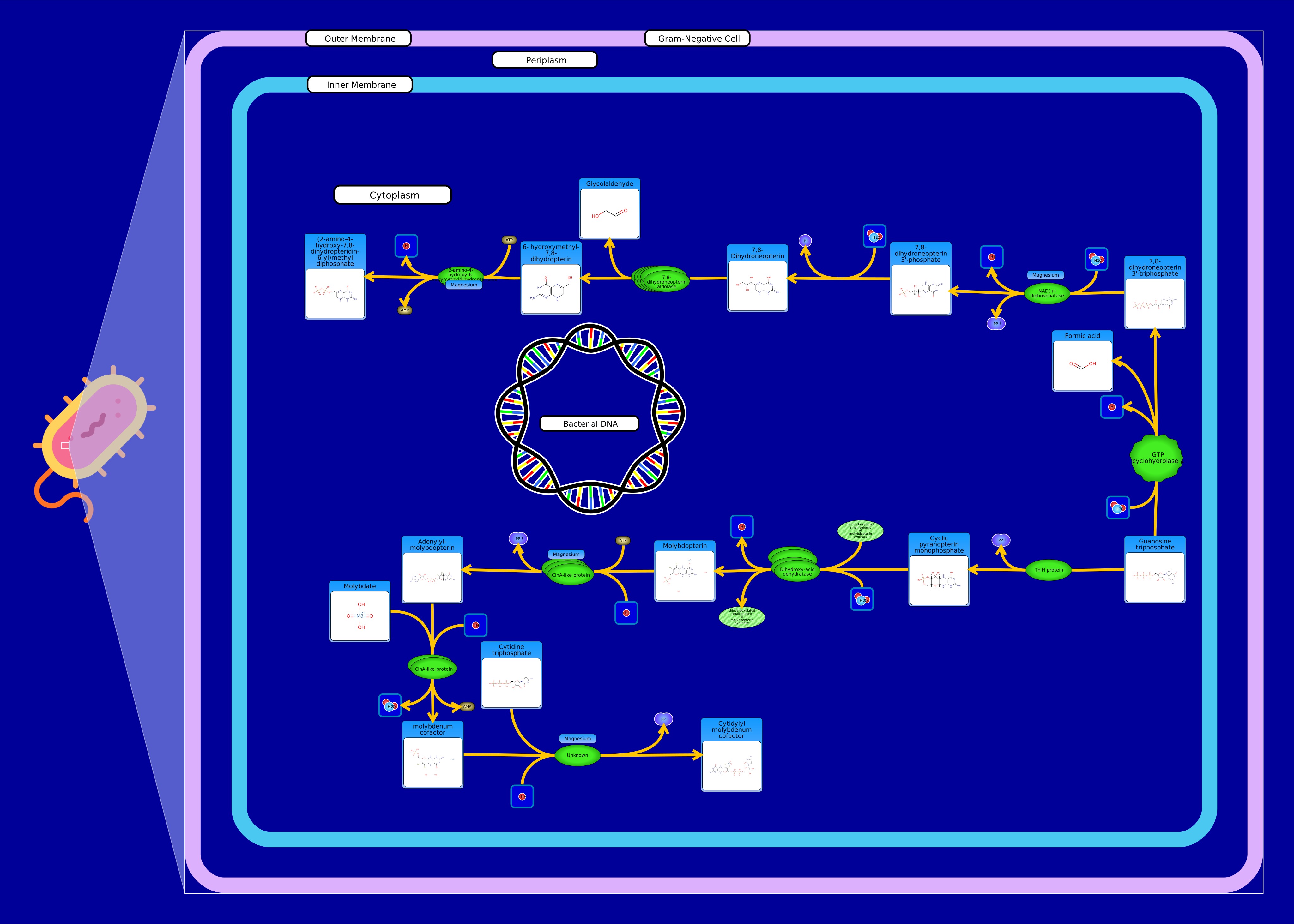 View Pathway
|
GTP Degradation and Molybdenum Cofactor BiosynthesisBacteroides sp. 1_1_14
GTP, produced in the nucleotide de novo biosyntheis pathway, interacts with a water molecule through a GTP cyclohydrolase resulting in a formate, hydrogen ion and a 7,8-dihydroneopterin 3'-triphosphate. The latter compound interacts with a water molecule through a dihydroneopterin triphosphate pyrophosphohydrolase resulting in the release of a pyrophosphate, a hydrogen ion and a 7,8-dihydroneopterin 3'-phosphate. The latter compound interacts with water spontaneously resulting in the release of a phosphate and a 7,8 dihydroneopterin. The latter compound interacts with a dihydroneopterin aldolase resulting in the release of a glycolaldehyde and a 6-hydroxymethyl-7,8-dihydropterin. This compound then is then diphosphorylated by reacting with a ATP driven 6-hydroxymethyl-7,8-dihydropterin pyrophosphokinase resulting in the release of a hydrogen ion, an AMP and 6-hydroxymethyl-7,8-dihydropterin diphosphate.
GTP interacts with a cyclic pyranopterin monophosphate synthase resulting in the release of a diphosphate and a cyclic pyranopterin phosphate. The latter compound interacts with a thiocarboxylated small subunit of molybdopterin synthase (a protein) and a water molecule through a molybdopterin synthase resulting in the release of 4 hydrogen ions, 2 small subunits of molybdopterin synthase and a molybdopterin. The molybdopterin interacts with an ATP and a hydrogen ion through a molybdopterin adenylyltransferase resulting in the release of a diphosphate and a molybdopterin adenine dinucleotide. The latter compound is then metabolized by a hydrogen ion and a molybdate through a molybdopterin molybdenumtransferase resulting in the release of an AMP, a water molecule and a molybdopterin cofactor.
The molybdopterin cofactor can procede to the guanylyl molybdenum cofactor biosynthesis pathway or it can be metabolized into a cytidylyl molybdenum cofactor by interacting with a CTP and a hydrogen ion through a molybdenym cofactor cytidylyltransferase resulting in the release of a pyrophosphate and a cytidyllyl molybdenum cofactor
|
Creator: Julia Wakoli Created On: January 23, 2025 at 15:15 Last Updated: January 23, 2025 at 15:15 |
PW685624 View Pathway
|
GTP Degradation and Molybdenum Cofactor BiosynthesisButyricimonas synergistica DSM 23225
GTP, produced in the nucleotide de novo biosyntheis pathway, interacts with a water molecule through a GTP cyclohydrolase resulting in a formate, hydrogen ion and a 7,8-dihydroneopterin 3'-triphosphate. The latter compound interacts with a water molecule through a dihydroneopterin triphosphate pyrophosphohydrolase resulting in the release of a pyrophosphate, a hydrogen ion and a 7,8-dihydroneopterin 3'-phosphate. The latter compound interacts with water spontaneously resulting in the release of a phosphate and a 7,8 dihydroneopterin. The latter compound interacts with a dihydroneopterin aldolase resulting in the release of a glycolaldehyde and a 6-hydroxymethyl-7,8-dihydropterin. This compound then is then diphosphorylated by reacting with a ATP driven 6-hydroxymethyl-7,8-dihydropterin pyrophosphokinase resulting in the release of a hydrogen ion, an AMP and 6-hydroxymethyl-7,8-dihydropterin diphosphate.
GTP interacts with a cyclic pyranopterin monophosphate synthase resulting in the release of a diphosphate and a cyclic pyranopterin phosphate. The latter compound interacts with a thiocarboxylated small subunit of molybdopterin synthase (a protein) and a water molecule through a molybdopterin synthase resulting in the release of 4 hydrogen ions, 2 small subunits of molybdopterin synthase and a molybdopterin. The molybdopterin interacts with an ATP and a hydrogen ion through a molybdopterin adenylyltransferase resulting in the release of a diphosphate and a molybdopterin adenine dinucleotide. The latter compound is then metabolized by a hydrogen ion and a molybdate through a molybdopterin molybdenumtransferase resulting in the release of an AMP, a water molecule and a molybdopterin cofactor.
The molybdopterin cofactor can procede to the guanylyl molybdenum cofactor biosynthesis pathway or it can be metabolized into a cytidylyl molybdenum cofactor by interacting with a CTP and a hydrogen ion through a molybdenym cofactor cytidylyltransferase resulting in the release of a pyrophosphate and a cytidyllyl molybdenum cofactor
|
Creator: Julia Wakoli Created On: January 23, 2025 at 17:11 Last Updated: January 23, 2025 at 17:11 |
PW472613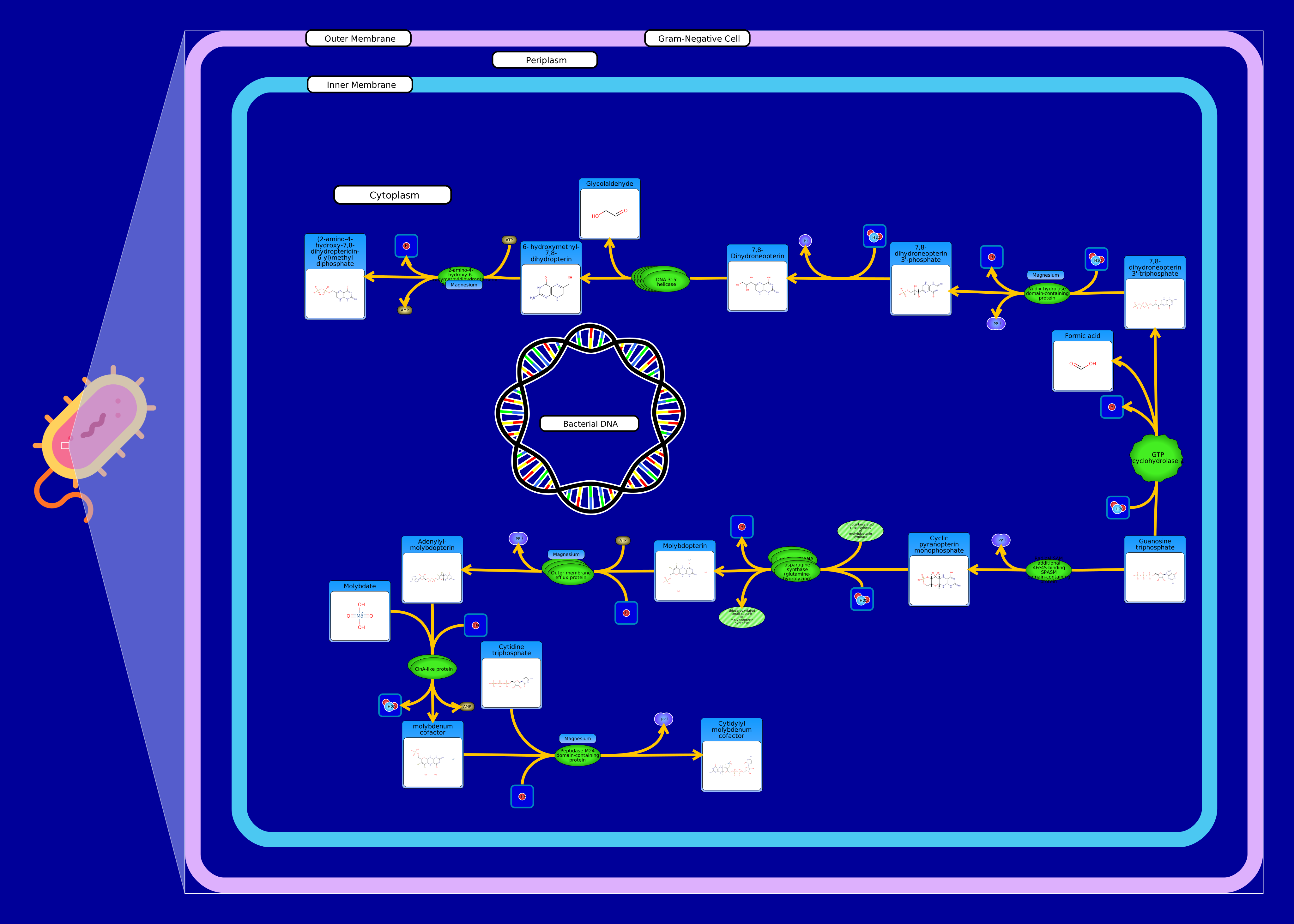 View Pathway
|
GTP Degradation and Molybdenum Cofactor BiosynthesisBarnesiella intestinihominis YIT 11860
GTP, produced in the nucleotide de novo biosyntheis pathway, interacts with a water molecule through a GTP cyclohydrolase resulting in a formate, hydrogen ion and a 7,8-dihydroneopterin 3'-triphosphate. The latter compound interacts with a water molecule through a dihydroneopterin triphosphate pyrophosphohydrolase resulting in the release of a pyrophosphate, a hydrogen ion and a 7,8-dihydroneopterin 3'-phosphate. The latter compound interacts with water spontaneously resulting in the release of a phosphate and a 7,8 dihydroneopterin. The latter compound interacts with a dihydroneopterin aldolase resulting in the release of a glycolaldehyde and a 6-hydroxymethyl-7,8-dihydropterin. This compound then is then diphosphorylated by reacting with a ATP driven 6-hydroxymethyl-7,8-dihydropterin pyrophosphokinase resulting in the release of a hydrogen ion, an AMP and 6-hydroxymethyl-7,8-dihydropterin diphosphate.
GTP interacts with a cyclic pyranopterin monophosphate synthase resulting in the release of a diphosphate and a cyclic pyranopterin phosphate. The latter compound interacts with a thiocarboxylated small subunit of molybdopterin synthase (a protein) and a water molecule through a molybdopterin synthase resulting in the release of 4 hydrogen ions, 2 small subunits of molybdopterin synthase and a molybdopterin. The molybdopterin interacts with an ATP and a hydrogen ion through a molybdopterin adenylyltransferase resulting in the release of a diphosphate and a molybdopterin adenine dinucleotide. The latter compound is then metabolized by a hydrogen ion and a molybdate through a molybdopterin molybdenumtransferase resulting in the release of an AMP, a water molecule and a molybdopterin cofactor.
The molybdopterin cofactor can procede to the guanylyl molybdenum cofactor biosynthesis pathway or it can be metabolized into a cytidylyl molybdenum cofactor by interacting with a CTP and a hydrogen ion through a molybdenym cofactor cytidylyltransferase resulting in the release of a pyrophosphate and a cytidyllyl molybdenum cofactor
|
Creator: Julia Wakoli Created On: January 23, 2025 at 17:26 Last Updated: January 23, 2025 at 17:26 |
PW472663 View Pathway
|
GTP Degradation and Molybdenum Cofactor BiosynthesisPorphyromonas uenonis 60-3
GTP, produced in the nucleotide de novo biosyntheis pathway, interacts with a water molecule through a GTP cyclohydrolase resulting in a formate, hydrogen ion and a 7,8-dihydroneopterin 3'-triphosphate. The latter compound interacts with a water molecule through a dihydroneopterin triphosphate pyrophosphohydrolase resulting in the release of a pyrophosphate, a hydrogen ion and a 7,8-dihydroneopterin 3'-phosphate. The latter compound interacts with water spontaneously resulting in the release of a phosphate and a 7,8 dihydroneopterin. The latter compound interacts with a dihydroneopterin aldolase resulting in the release of a glycolaldehyde and a 6-hydroxymethyl-7,8-dihydropterin. This compound then is then diphosphorylated by reacting with a ATP driven 6-hydroxymethyl-7,8-dihydropterin pyrophosphokinase resulting in the release of a hydrogen ion, an AMP and 6-hydroxymethyl-7,8-dihydropterin diphosphate.
GTP interacts with a cyclic pyranopterin monophosphate synthase resulting in the release of a diphosphate and a cyclic pyranopterin phosphate. The latter compound interacts with a thiocarboxylated small subunit of molybdopterin synthase (a protein) and a water molecule through a molybdopterin synthase resulting in the release of 4 hydrogen ions, 2 small subunits of molybdopterin synthase and a molybdopterin. The molybdopterin interacts with an ATP and a hydrogen ion through a molybdopterin adenylyltransferase resulting in the release of a diphosphate and a molybdopterin adenine dinucleotide. The latter compound is then metabolized by a hydrogen ion and a molybdate through a molybdopterin molybdenumtransferase resulting in the release of an AMP, a water molecule and a molybdopterin cofactor.
The molybdopterin cofactor can procede to the guanylyl molybdenum cofactor biosynthesis pathway or it can be metabolized into a cytidylyl molybdenum cofactor by interacting with a CTP and a hydrogen ion through a molybdenym cofactor cytidylyltransferase resulting in the release of a pyrophosphate and a cytidyllyl molybdenum cofactor
|
Creator: Julia Wakoli Created On: January 23, 2025 at 17:59 Last Updated: January 23, 2025 at 17:59 |
PW472872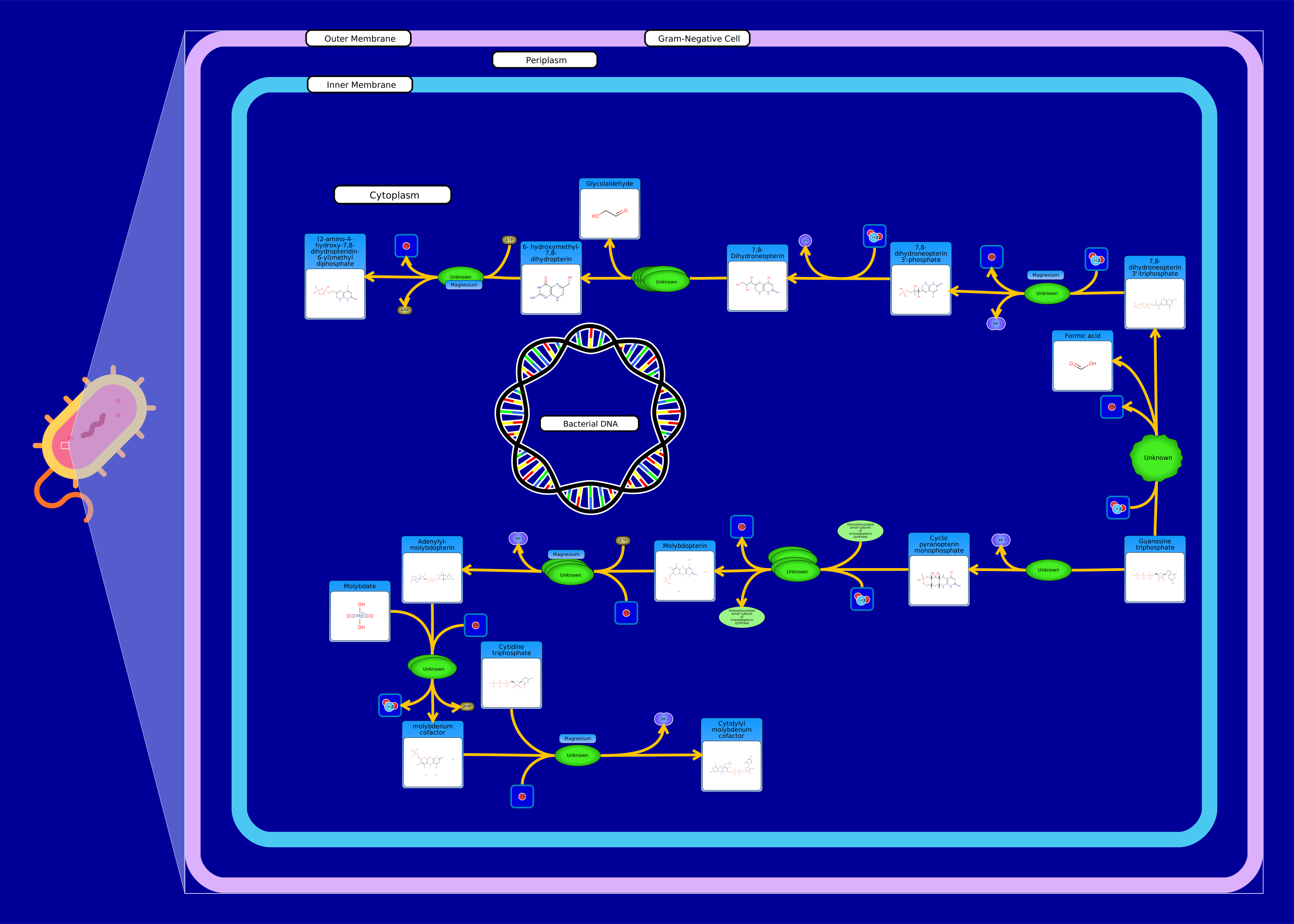 View Pathway
|
GTP Degradation and Molybdenum Cofactor BiosynthesisPrevotella enoeca JCM 12259
GTP, produced in the nucleotide de novo biosyntheis pathway, interacts with a water molecule through a GTP cyclohydrolase resulting in a formate, hydrogen ion and a 7,8-dihydroneopterin 3'-triphosphate. The latter compound interacts with a water molecule through a dihydroneopterin triphosphate pyrophosphohydrolase resulting in the release of a pyrophosphate, a hydrogen ion and a 7,8-dihydroneopterin 3'-phosphate. The latter compound interacts with water spontaneously resulting in the release of a phosphate and a 7,8 dihydroneopterin. The latter compound interacts with a dihydroneopterin aldolase resulting in the release of a glycolaldehyde and a 6-hydroxymethyl-7,8-dihydropterin. This compound then is then diphosphorylated by reacting with a ATP driven 6-hydroxymethyl-7,8-dihydropterin pyrophosphokinase resulting in the release of a hydrogen ion, an AMP and 6-hydroxymethyl-7,8-dihydropterin diphosphate.
GTP interacts with a cyclic pyranopterin monophosphate synthase resulting in the release of a diphosphate and a cyclic pyranopterin phosphate. The latter compound interacts with a thiocarboxylated small subunit of molybdopterin synthase (a protein) and a water molecule through a molybdopterin synthase resulting in the release of 4 hydrogen ions, 2 small subunits of molybdopterin synthase and a molybdopterin. The molybdopterin interacts with an ATP and a hydrogen ion through a molybdopterin adenylyltransferase resulting in the release of a diphosphate and a molybdopterin adenine dinucleotide. The latter compound is then metabolized by a hydrogen ion and a molybdate through a molybdopterin molybdenumtransferase resulting in the release of an AMP, a water molecule and a molybdopterin cofactor.
The molybdopterin cofactor can procede to the guanylyl molybdenum cofactor biosynthesis pathway or it can be metabolized into a cytidylyl molybdenum cofactor by interacting with a CTP and a hydrogen ion through a molybdenym cofactor cytidylyltransferase resulting in the release of a pyrophosphate and a cytidyllyl molybdenum cofactor
|
Creator: Julia Wakoli Created On: January 23, 2025 at 20:06 Last Updated: January 23, 2025 at 20:06 |