
| PathWhiz ID | Pathway | Meta Data |
|---|---|---|
PW685709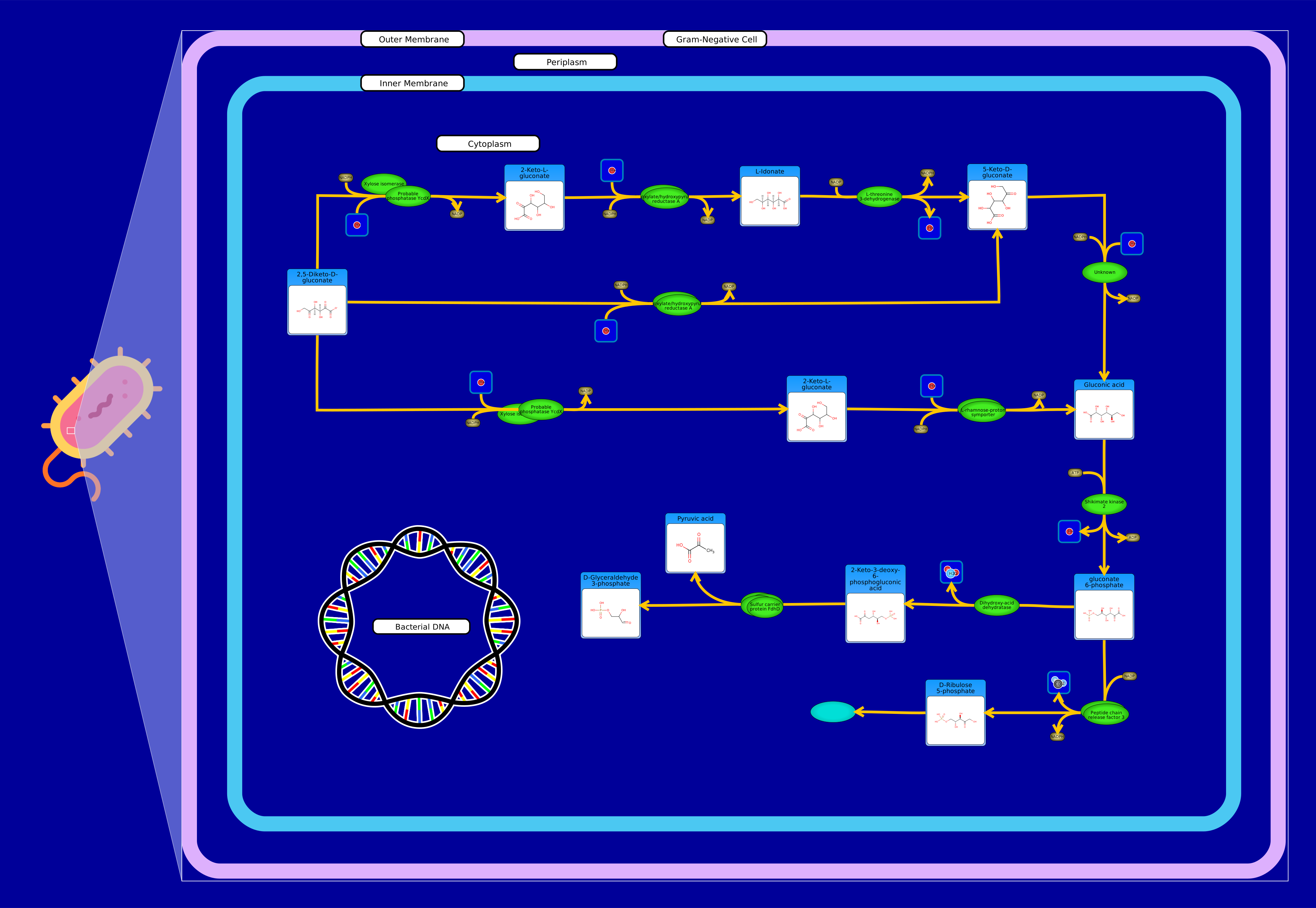 View Pathway
|
Ketogluconate MetabolismEscherichia coli (strain K12 / MC4100 / BW2952)
The ketogluconate metabolism starts with the degradation of 2,5-didehydro-D-gluconate either through a NADPH dependent 2,5-diketo-D-gluconate reductase resulting in the release of a NADP and 5-dehydro-D-gluconate or through a NADPH dependent 2,5-diketo-D-gluconate reductase protein complex resulting in the release of a NADP and a 2-keto-L-gulonate. The 2-keto-L-gulonate interacts with a NADPH 2-keto-L-gulonate reductase resulting in a NADP and a L-idonate. The L-idonate interacts with a NADP L-idonate 5-dehydrogenase resulting in the release of hydrogen ion, a NADPH and a 5-dehydro-D-gluconate.
The 5-dehydro-D-gluconate interacts with a NADPH driven 5-keto-D-gluconate 5-reductase resulting in the release of a NADP and a D-gluconate.
The other way to produce D-gluconate is by having 2,5-Didehydro-D-gluconate interacting with a NADPH and hydrogen ion resulting in the release of a NADP and a 2-keto-D-gluconate which then interact with NADPH a 2-keto-D-gluconate reductase resulting in a NADP and a D-gluconate
The D-gluconate is phosphorylated by an ATP driven D-gluconate kinase resulting in a ADP, a hydrogen ion and a D-gluconate 6-phosphate.
This compound can either join the Entner-Doudoroff pathway or be metabolized by a NADP dependent 6-phosphogluconate dehydrogenase resulting in a NADPH, a carbon dioxide and a D-ribulose 5-phosphate.
The Entner-doudoroff pathway is dehydrated by a phosphogluconate dehydratase resulting in a water molecule and a 2-dehydro-3-deoxy-D-gluconate 6-phosphate.
This compound then interacts with a 2-keto-3-deoxygluconate 6-phosphate aldolase resulting in a D-glyceraldehyde 3-phosphate and a pyruvic acid.
The d-glyceraldehyde 3-phosphate is incorporated into a glycolysis while the pyruvic acid is decarboxylated into acetyl CoA
|
Creator: Julia Wakoli Created On: January 27, 2025 at 10:39 Last Updated: January 27, 2025 at 10:39 |
PW481578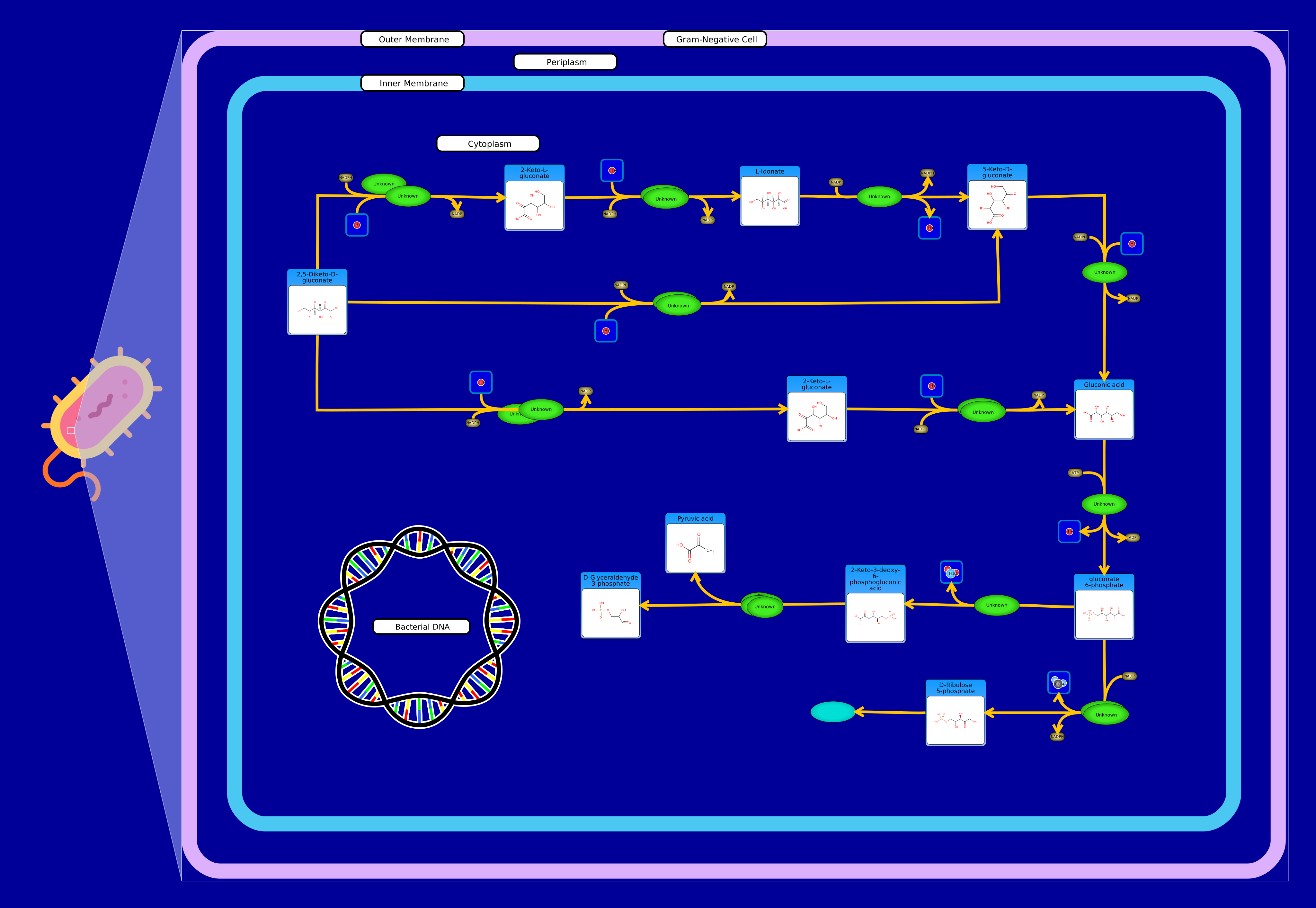 View Pathway
|
Ketogluconate MetabolismRhizobium leguminosarum bv. trifolii WSM2304
The ketogluconate metabolism starts with the degradation of 2,5-didehydro-D-gluconate either through a NADPH dependent 2,5-diketo-D-gluconate reductase resulting in the release of a NADP and 5-dehydro-D-gluconate or through a NADPH dependent 2,5-diketo-D-gluconate reductase protein complex resulting in the release of a NADP and a 2-keto-L-gulonate. The 2-keto-L-gulonate interacts with a NADPH 2-keto-L-gulonate reductase resulting in a NADP and a L-idonate. The L-idonate interacts with a NADP L-idonate 5-dehydrogenase resulting in the release of hydrogen ion, a NADPH and a 5-dehydro-D-gluconate.
The 5-dehydro-D-gluconate interacts with a NADPH driven 5-keto-D-gluconate 5-reductase resulting in the release of a NADP and a D-gluconate.
The other way to produce D-gluconate is by having 2,5-Didehydro-D-gluconate interacting with a NADPH and hydrogen ion resulting in the release of a NADP and a 2-keto-D-gluconate which then interact with NADPH a 2-keto-D-gluconate reductase resulting in a NADP and a D-gluconate
The D-gluconate is phosphorylated by an ATP driven D-gluconate kinase resulting in a ADP, a hydrogen ion and a D-gluconate 6-phosphate.
This compound can either join the Entner-Doudoroff pathway or be metabolized by a NADP dependent 6-phosphogluconate dehydrogenase resulting in a NADPH, a carbon dioxide and a D-ribulose 5-phosphate.
The Entner-doudoroff pathway is dehydrated by a phosphogluconate dehydratase resulting in a water molecule and a 2-dehydro-3-deoxy-D-gluconate 6-phosphate.
This compound then interacts with a 2-keto-3-deoxygluconate 6-phosphate aldolase resulting in a D-glyceraldehyde 3-phosphate and a pyruvic acid.
The d-glyceraldehyde 3-phosphate is incorporated into a glycolysis while the pyruvic acid is decarboxylated into acetyl CoA
|
Creator: Julia Wakoli Created On: January 28, 2025 at 11:02 Last Updated: January 28, 2025 at 11:02 |
PW685768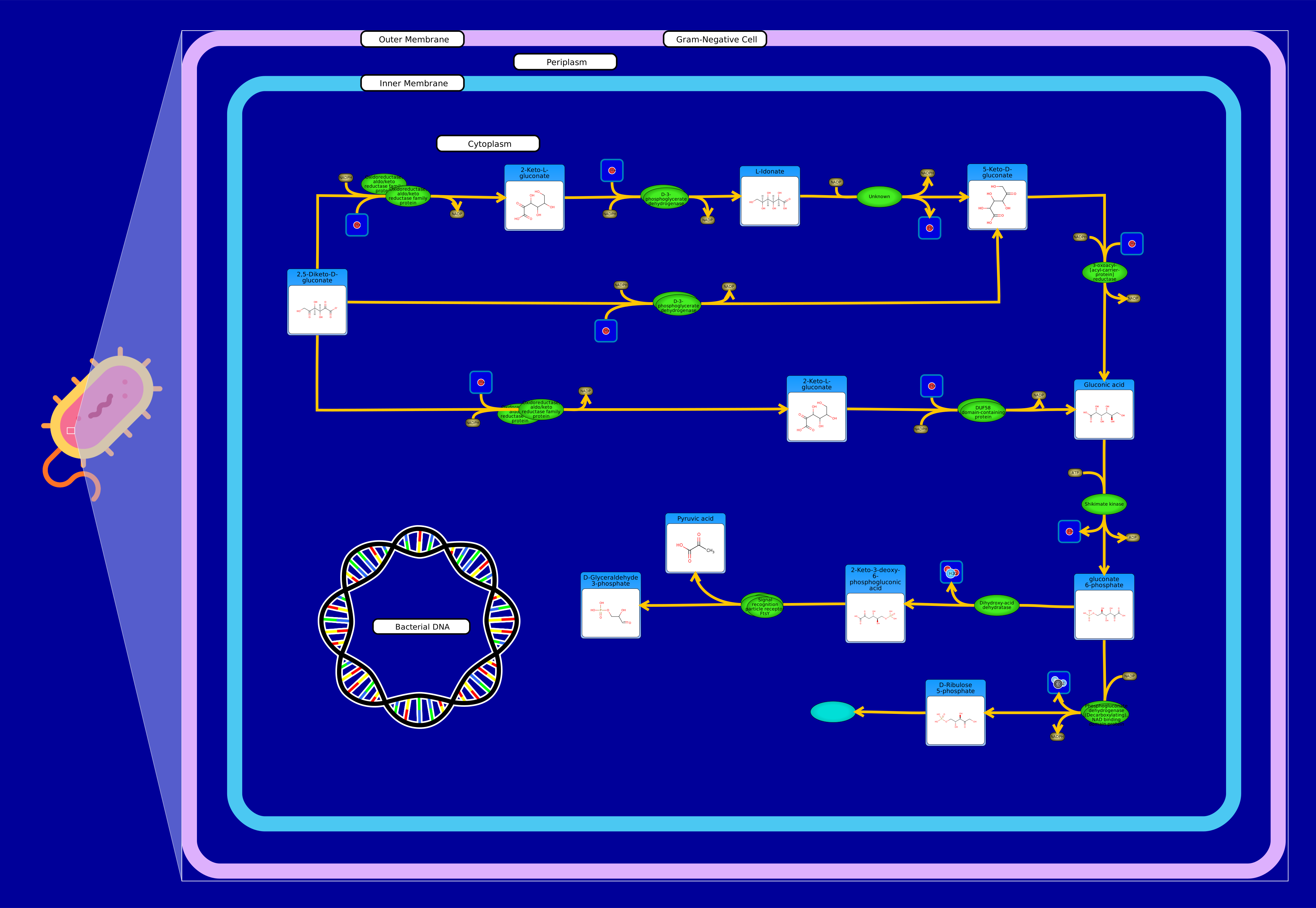 View Pathway
|
Ketogluconate MetabolismLautropia mirabilis ATCC 51599
The ketogluconate metabolism starts with the degradation of 2,5-didehydro-D-gluconate either through a NADPH dependent 2,5-diketo-D-gluconate reductase resulting in the release of a NADP and 5-dehydro-D-gluconate or through a NADPH dependent 2,5-diketo-D-gluconate reductase protein complex resulting in the release of a NADP and a 2-keto-L-gulonate. The 2-keto-L-gulonate interacts with a NADPH 2-keto-L-gulonate reductase resulting in a NADP and a L-idonate. The L-idonate interacts with a NADP L-idonate 5-dehydrogenase resulting in the release of hydrogen ion, a NADPH and a 5-dehydro-D-gluconate.
The 5-dehydro-D-gluconate interacts with a NADPH driven 5-keto-D-gluconate 5-reductase resulting in the release of a NADP and a D-gluconate.
The other way to produce D-gluconate is by having 2,5-Didehydro-D-gluconate interacting with a NADPH and hydrogen ion resulting in the release of a NADP and a 2-keto-D-gluconate which then interact with NADPH a 2-keto-D-gluconate reductase resulting in a NADP and a D-gluconate
The D-gluconate is phosphorylated by an ATP driven D-gluconate kinase resulting in a ADP, a hydrogen ion and a D-gluconate 6-phosphate.
This compound can either join the Entner-Doudoroff pathway or be metabolized by a NADP dependent 6-phosphogluconate dehydrogenase resulting in a NADPH, a carbon dioxide and a D-ribulose 5-phosphate.
The Entner-doudoroff pathway is dehydrated by a phosphogluconate dehydratase resulting in a water molecule and a 2-dehydro-3-deoxy-D-gluconate 6-phosphate.
This compound then interacts with a 2-keto-3-deoxygluconate 6-phosphate aldolase resulting in a D-glyceraldehyde 3-phosphate and a pyruvic acid.
The d-glyceraldehyde 3-phosphate is incorporated into a glycolysis while the pyruvic acid is decarboxylated into acetyl CoA
|
Creator: Julia Wakoli Created On: January 29, 2025 at 08:32 Last Updated: January 29, 2025 at 08:32 |
PW484919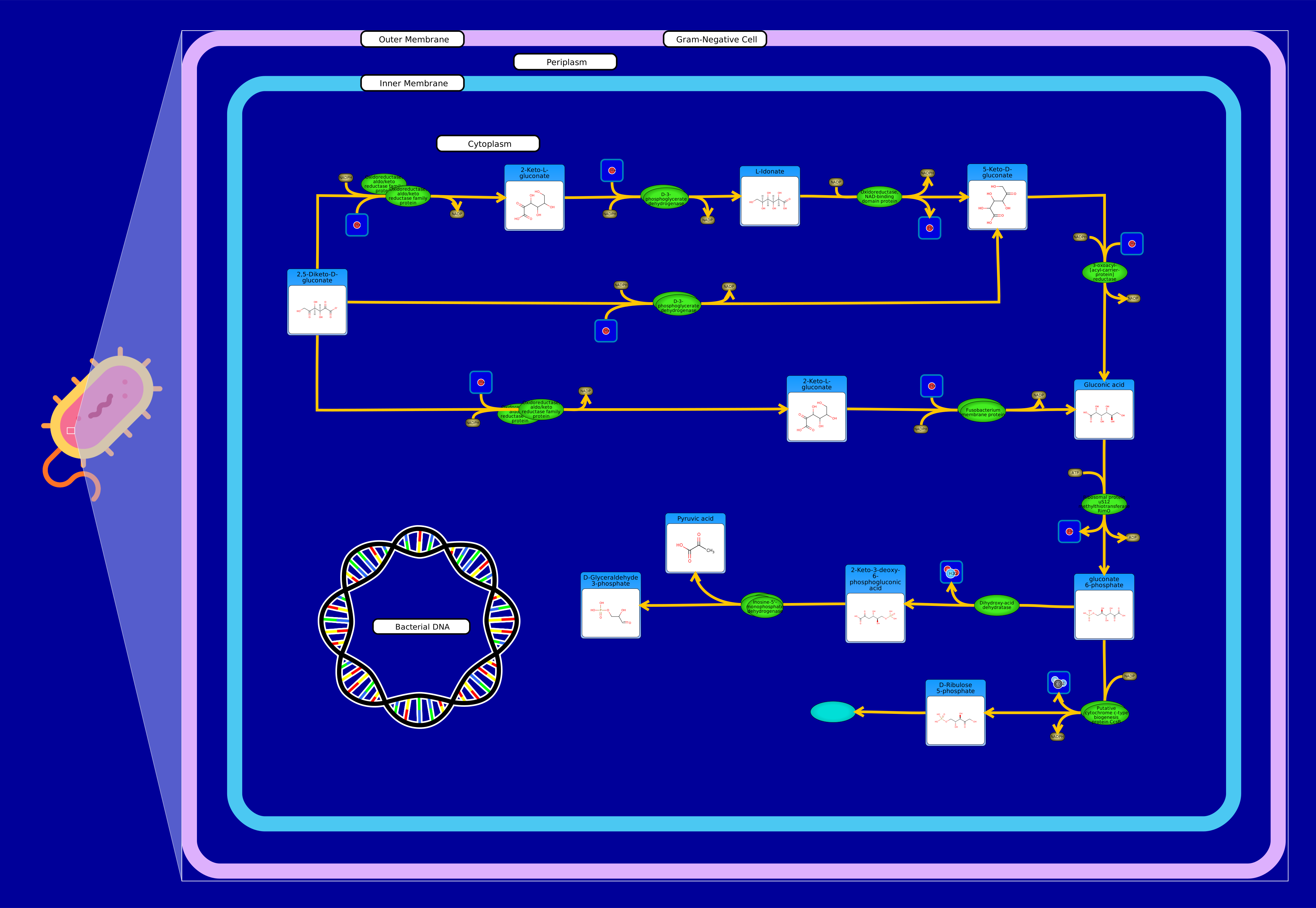 View Pathway
|
Ketogluconate MetabolismCampylobacter gracilis RM3268
The ketogluconate metabolism starts with the degradation of 2,5-didehydro-D-gluconate either through a NADPH dependent 2,5-diketo-D-gluconate reductase resulting in the release of a NADP and 5-dehydro-D-gluconate or through a NADPH dependent 2,5-diketo-D-gluconate reductase protein complex resulting in the release of a NADP and a 2-keto-L-gulonate. The 2-keto-L-gulonate interacts with a NADPH 2-keto-L-gulonate reductase resulting in a NADP and a L-idonate. The L-idonate interacts with a NADP L-idonate 5-dehydrogenase resulting in the release of hydrogen ion, a NADPH and a 5-dehydro-D-gluconate.
The 5-dehydro-D-gluconate interacts with a NADPH driven 5-keto-D-gluconate 5-reductase resulting in the release of a NADP and a D-gluconate.
The other way to produce D-gluconate is by having 2,5-Didehydro-D-gluconate interacting with a NADPH and hydrogen ion resulting in the release of a NADP and a 2-keto-D-gluconate which then interact with NADPH a 2-keto-D-gluconate reductase resulting in a NADP and a D-gluconate
The D-gluconate is phosphorylated by an ATP driven D-gluconate kinase resulting in a ADP, a hydrogen ion and a D-gluconate 6-phosphate.
This compound can either join the Entner-Doudoroff pathway or be metabolized by a NADP dependent 6-phosphogluconate dehydrogenase resulting in a NADPH, a carbon dioxide and a D-ribulose 5-phosphate.
The Entner-doudoroff pathway is dehydrated by a phosphogluconate dehydratase resulting in a water molecule and a 2-dehydro-3-deoxy-D-gluconate 6-phosphate.
This compound then interacts with a 2-keto-3-deoxygluconate 6-phosphate aldolase resulting in a D-glyceraldehyde 3-phosphate and a pyruvic acid.
The d-glyceraldehyde 3-phosphate is incorporated into a glycolysis while the pyruvic acid is decarboxylated into acetyl CoA
|
Creator: Julia Wakoli Created On: January 29, 2025 at 11:42 Last Updated: January 29, 2025 at 11:42 |
PW479977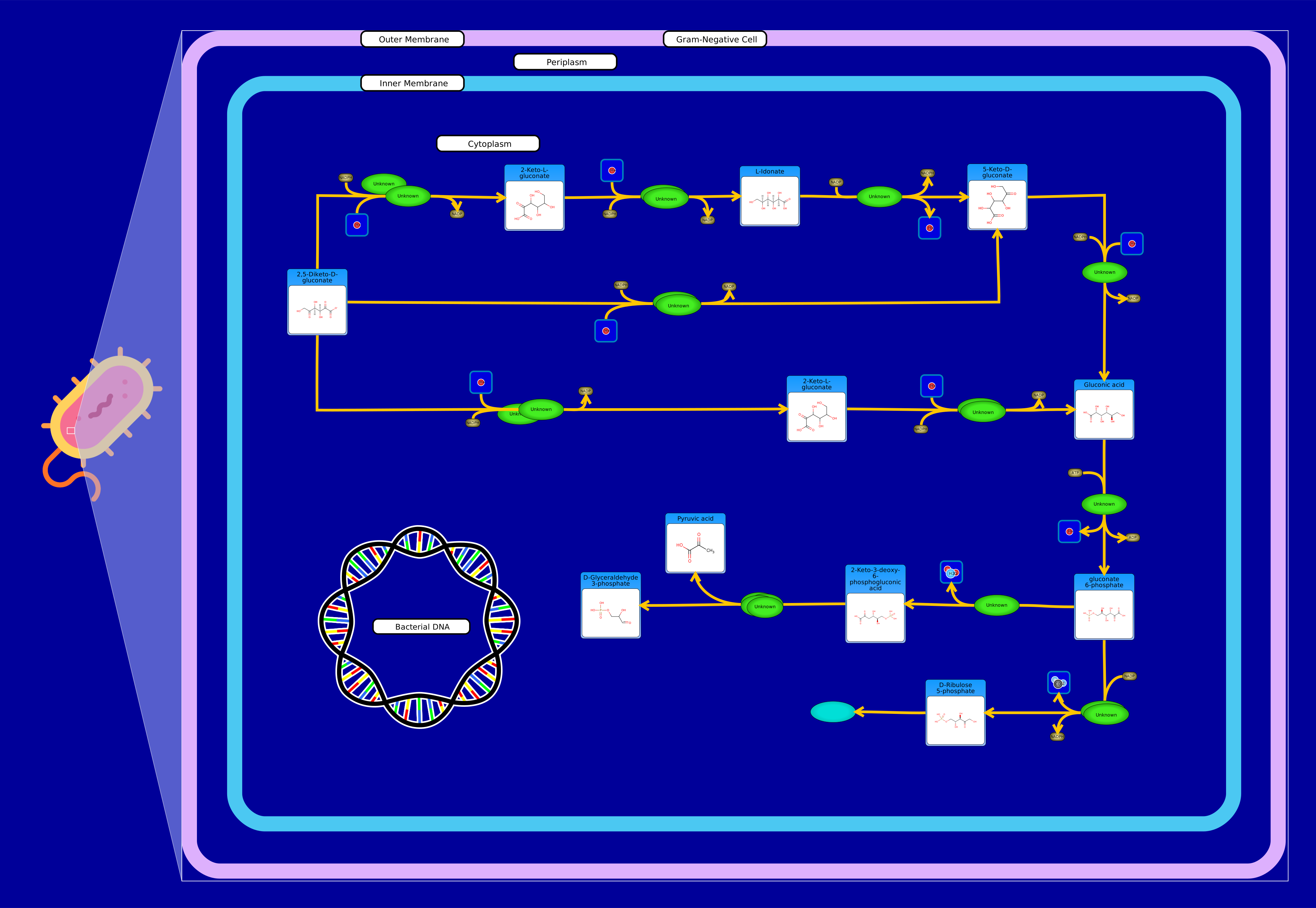 View Pathway
|
Ketogluconate MetabolismOdoribacter splanchnicus DSM 20712
The ketogluconate metabolism starts with the degradation of 2,5-didehydro-D-gluconate either through a NADPH dependent 2,5-diketo-D-gluconate reductase resulting in the release of a NADP and 5-dehydro-D-gluconate or through a NADPH dependent 2,5-diketo-D-gluconate reductase protein complex resulting in the release of a NADP and a 2-keto-L-gulonate. The 2-keto-L-gulonate interacts with a NADPH 2-keto-L-gulonate reductase resulting in a NADP and a L-idonate. The L-idonate interacts with a NADP L-idonate 5-dehydrogenase resulting in the release of hydrogen ion, a NADPH and a 5-dehydro-D-gluconate.
The 5-dehydro-D-gluconate interacts with a NADPH driven 5-keto-D-gluconate 5-reductase resulting in the release of a NADP and a D-gluconate.
The other way to produce D-gluconate is by having 2,5-Didehydro-D-gluconate interacting with a NADPH and hydrogen ion resulting in the release of a NADP and a 2-keto-D-gluconate which then interact with NADPH a 2-keto-D-gluconate reductase resulting in a NADP and a D-gluconate
The D-gluconate is phosphorylated by an ATP driven D-gluconate kinase resulting in a ADP, a hydrogen ion and a D-gluconate 6-phosphate.
This compound can either join the Entner-Doudoroff pathway or be metabolized by a NADP dependent 6-phosphogluconate dehydrogenase resulting in a NADPH, a carbon dioxide and a D-ribulose 5-phosphate.
The Entner-doudoroff pathway is dehydrated by a phosphogluconate dehydratase resulting in a water molecule and a 2-dehydro-3-deoxy-D-gluconate 6-phosphate.
This compound then interacts with a 2-keto-3-deoxygluconate 6-phosphate aldolase resulting in a D-glyceraldehyde 3-phosphate and a pyruvic acid.
The d-glyceraldehyde 3-phosphate is incorporated into a glycolysis while the pyruvic acid is decarboxylated into acetyl CoA
|
Creator: Julia Wakoli Created On: January 27, 2025 at 17:59 Last Updated: January 27, 2025 at 17:59 |
PW482956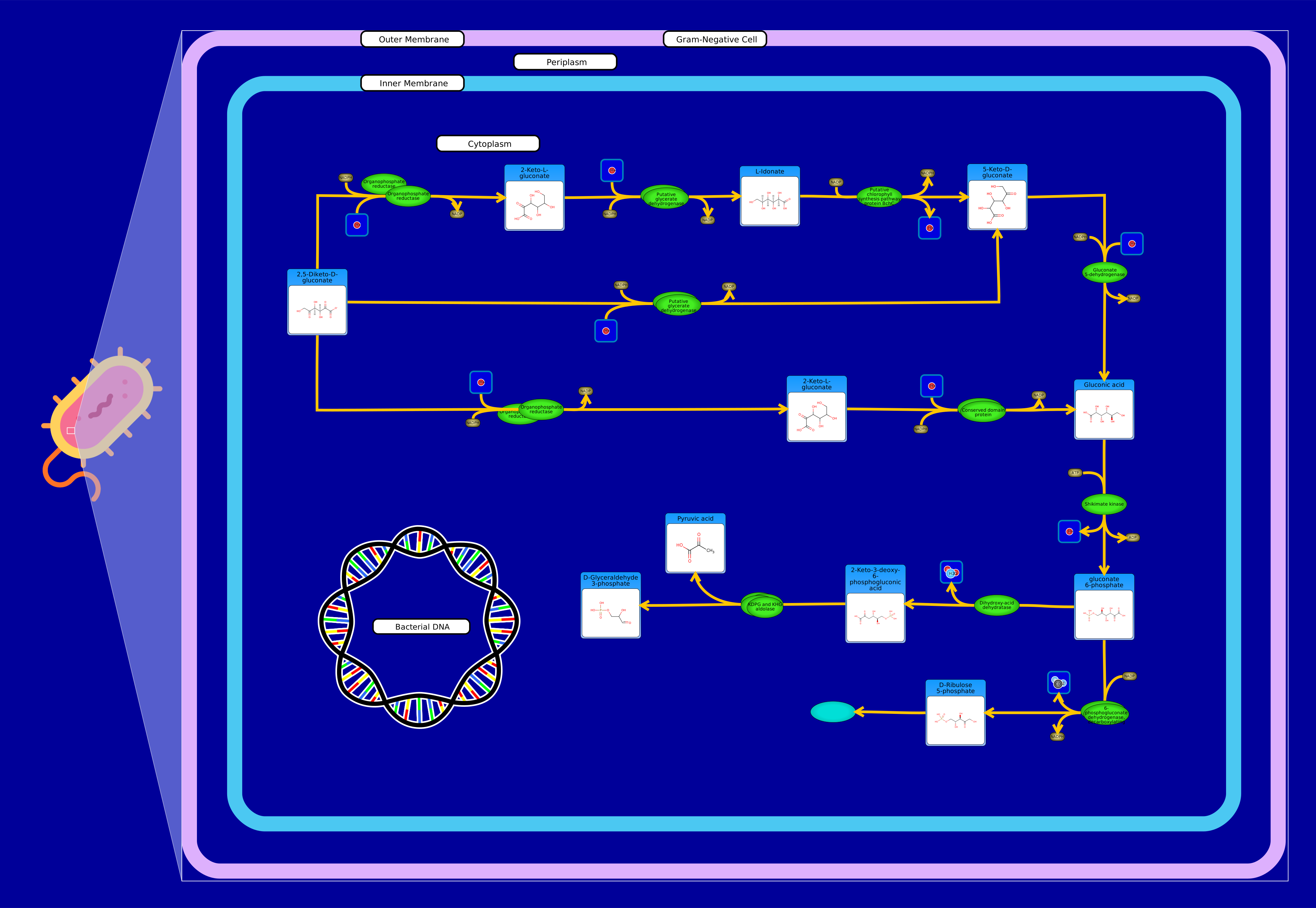 View Pathway
|
Ketogluconate MetabolismParaprevotella xylaniphila YIT 11841
The ketogluconate metabolism starts with the degradation of 2,5-didehydro-D-gluconate either through a NADPH dependent 2,5-diketo-D-gluconate reductase resulting in the release of a NADP and 5-dehydro-D-gluconate or through a NADPH dependent 2,5-diketo-D-gluconate reductase protein complex resulting in the release of a NADP and a 2-keto-L-gulonate. The 2-keto-L-gulonate interacts with a NADPH 2-keto-L-gulonate reductase resulting in a NADP and a L-idonate. The L-idonate interacts with a NADP L-idonate 5-dehydrogenase resulting in the release of hydrogen ion, a NADPH and a 5-dehydro-D-gluconate.
The 5-dehydro-D-gluconate interacts with a NADPH driven 5-keto-D-gluconate 5-reductase resulting in the release of a NADP and a D-gluconate.
The other way to produce D-gluconate is by having 2,5-Didehydro-D-gluconate interacting with a NADPH and hydrogen ion resulting in the release of a NADP and a 2-keto-D-gluconate which then interact with NADPH a 2-keto-D-gluconate reductase resulting in a NADP and a D-gluconate
The D-gluconate is phosphorylated by an ATP driven D-gluconate kinase resulting in a ADP, a hydrogen ion and a D-gluconate 6-phosphate.
This compound can either join the Entner-Doudoroff pathway or be metabolized by a NADP dependent 6-phosphogluconate dehydrogenase resulting in a NADPH, a carbon dioxide and a D-ribulose 5-phosphate.
The Entner-doudoroff pathway is dehydrated by a phosphogluconate dehydratase resulting in a water molecule and a 2-dehydro-3-deoxy-D-gluconate 6-phosphate.
This compound then interacts with a 2-keto-3-deoxygluconate 6-phosphate aldolase resulting in a D-glyceraldehyde 3-phosphate and a pyruvic acid.
The d-glyceraldehyde 3-phosphate is incorporated into a glycolysis while the pyruvic acid is decarboxylated into acetyl CoA
|
Creator: Julia Wakoli Created On: January 28, 2025 at 21:51 Last Updated: January 28, 2025 at 21:51 |
PW485020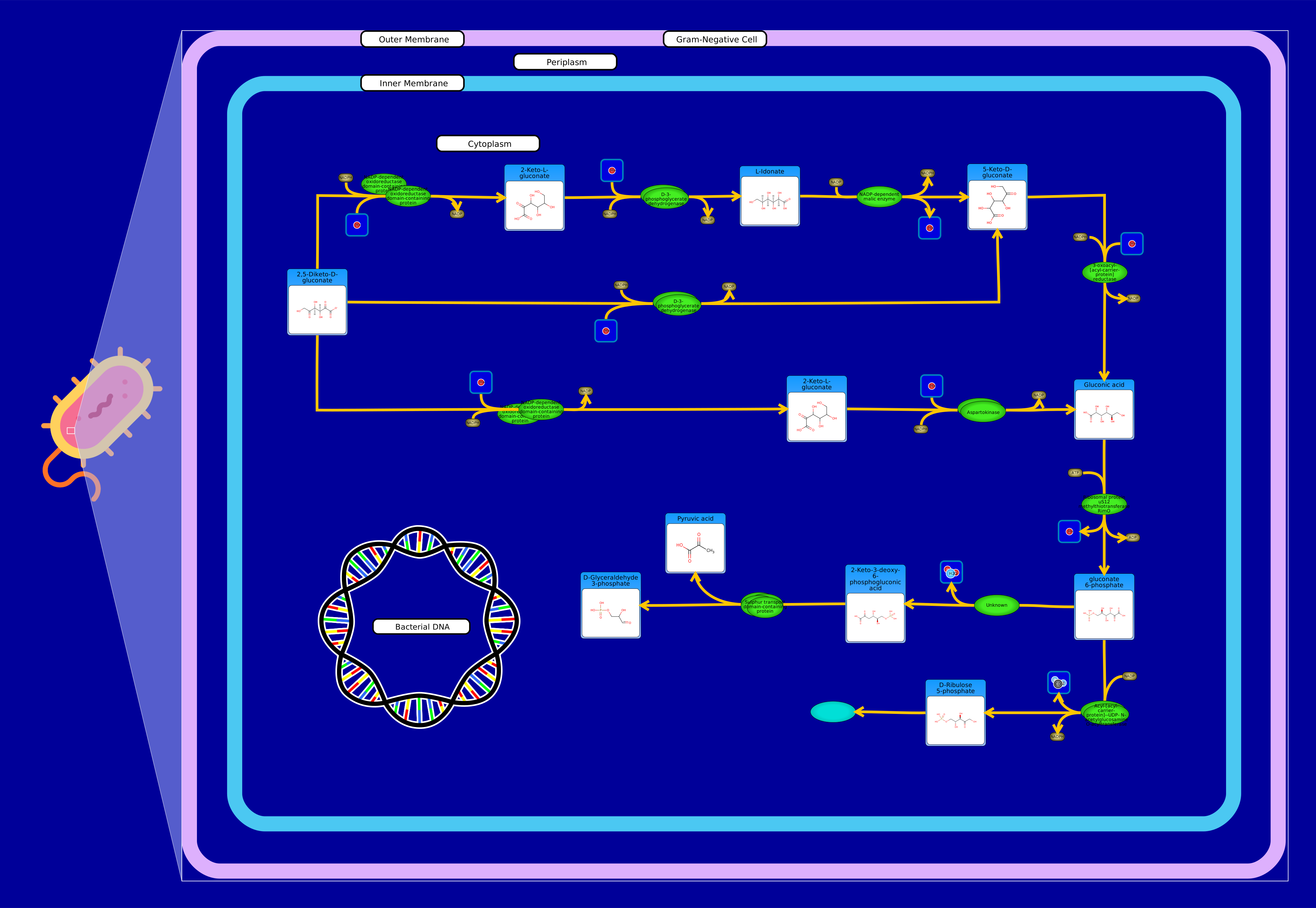 View Pathway
|
Ketogluconate MetabolismCampylobacter showae CSUNSWCD
The ketogluconate metabolism starts with the degradation of 2,5-didehydro-D-gluconate either through a NADPH dependent 2,5-diketo-D-gluconate reductase resulting in the release of a NADP and 5-dehydro-D-gluconate or through a NADPH dependent 2,5-diketo-D-gluconate reductase protein complex resulting in the release of a NADP and a 2-keto-L-gulonate. The 2-keto-L-gulonate interacts with a NADPH 2-keto-L-gulonate reductase resulting in a NADP and a L-idonate. The L-idonate interacts with a NADP L-idonate 5-dehydrogenase resulting in the release of hydrogen ion, a NADPH and a 5-dehydro-D-gluconate.
The 5-dehydro-D-gluconate interacts with a NADPH driven 5-keto-D-gluconate 5-reductase resulting in the release of a NADP and a D-gluconate.
The other way to produce D-gluconate is by having 2,5-Didehydro-D-gluconate interacting with a NADPH and hydrogen ion resulting in the release of a NADP and a 2-keto-D-gluconate which then interact with NADPH a 2-keto-D-gluconate reductase resulting in a NADP and a D-gluconate
The D-gluconate is phosphorylated by an ATP driven D-gluconate kinase resulting in a ADP, a hydrogen ion and a D-gluconate 6-phosphate.
This compound can either join the Entner-Doudoroff pathway or be metabolized by a NADP dependent 6-phosphogluconate dehydrogenase resulting in a NADPH, a carbon dioxide and a D-ribulose 5-phosphate.
The Entner-doudoroff pathway is dehydrated by a phosphogluconate dehydratase resulting in a water molecule and a 2-dehydro-3-deoxy-D-gluconate 6-phosphate.
This compound then interacts with a 2-keto-3-deoxygluconate 6-phosphate aldolase resulting in a D-glyceraldehyde 3-phosphate and a pyruvic acid.
The d-glyceraldehyde 3-phosphate is incorporated into a glycolysis while the pyruvic acid is decarboxylated into acetyl CoA
|
Creator: Julia Wakoli Created On: January 29, 2025 at 12:24 Last Updated: January 29, 2025 at 12:24 |
PW479984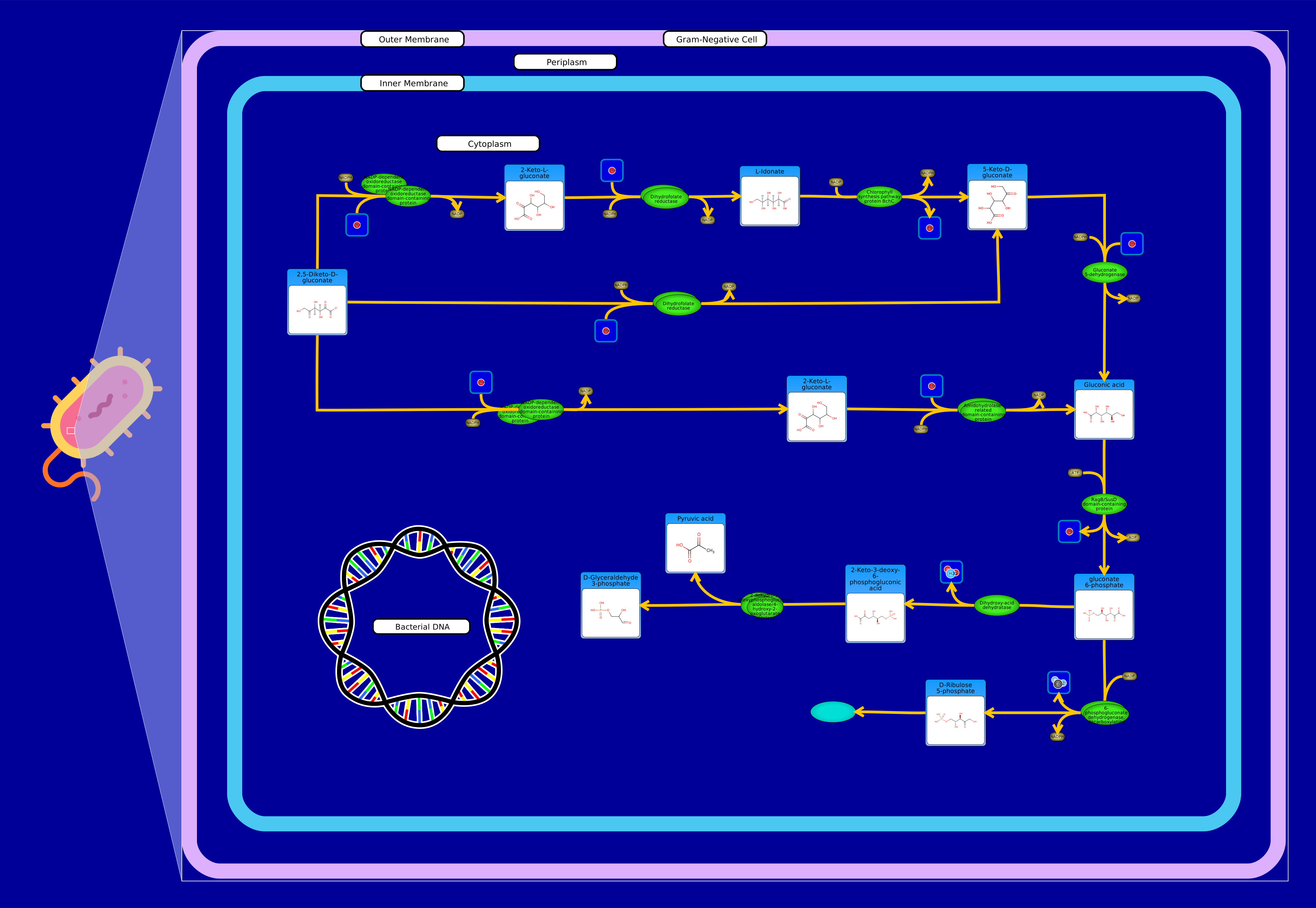 View Pathway
|
Ketogluconate MetabolismParabacteroides goldsteinii dnLKV18
The ketogluconate metabolism starts with the degradation of 2,5-didehydro-D-gluconate either through a NADPH dependent 2,5-diketo-D-gluconate reductase resulting in the release of a NADP and 5-dehydro-D-gluconate or through a NADPH dependent 2,5-diketo-D-gluconate reductase protein complex resulting in the release of a NADP and a 2-keto-L-gulonate. The 2-keto-L-gulonate interacts with a NADPH 2-keto-L-gulonate reductase resulting in a NADP and a L-idonate. The L-idonate interacts with a NADP L-idonate 5-dehydrogenase resulting in the release of hydrogen ion, a NADPH and a 5-dehydro-D-gluconate.
The 5-dehydro-D-gluconate interacts with a NADPH driven 5-keto-D-gluconate 5-reductase resulting in the release of a NADP and a D-gluconate.
The other way to produce D-gluconate is by having 2,5-Didehydro-D-gluconate interacting with a NADPH and hydrogen ion resulting in the release of a NADP and a 2-keto-D-gluconate which then interact with NADPH a 2-keto-D-gluconate reductase resulting in a NADP and a D-gluconate
The D-gluconate is phosphorylated by an ATP driven D-gluconate kinase resulting in a ADP, a hydrogen ion and a D-gluconate 6-phosphate.
This compound can either join the Entner-Doudoroff pathway or be metabolized by a NADP dependent 6-phosphogluconate dehydrogenase resulting in a NADPH, a carbon dioxide and a D-ribulose 5-phosphate.
The Entner-doudoroff pathway is dehydrated by a phosphogluconate dehydratase resulting in a water molecule and a 2-dehydro-3-deoxy-D-gluconate 6-phosphate.
This compound then interacts with a 2-keto-3-deoxygluconate 6-phosphate aldolase resulting in a D-glyceraldehyde 3-phosphate and a pyruvic acid.
The d-glyceraldehyde 3-phosphate is incorporated into a glycolysis while the pyruvic acid is decarboxylated into acetyl CoA
|
Creator: Julia Wakoli Created On: January 27, 2025 at 18:05 Last Updated: January 27, 2025 at 18:05 |
PW483524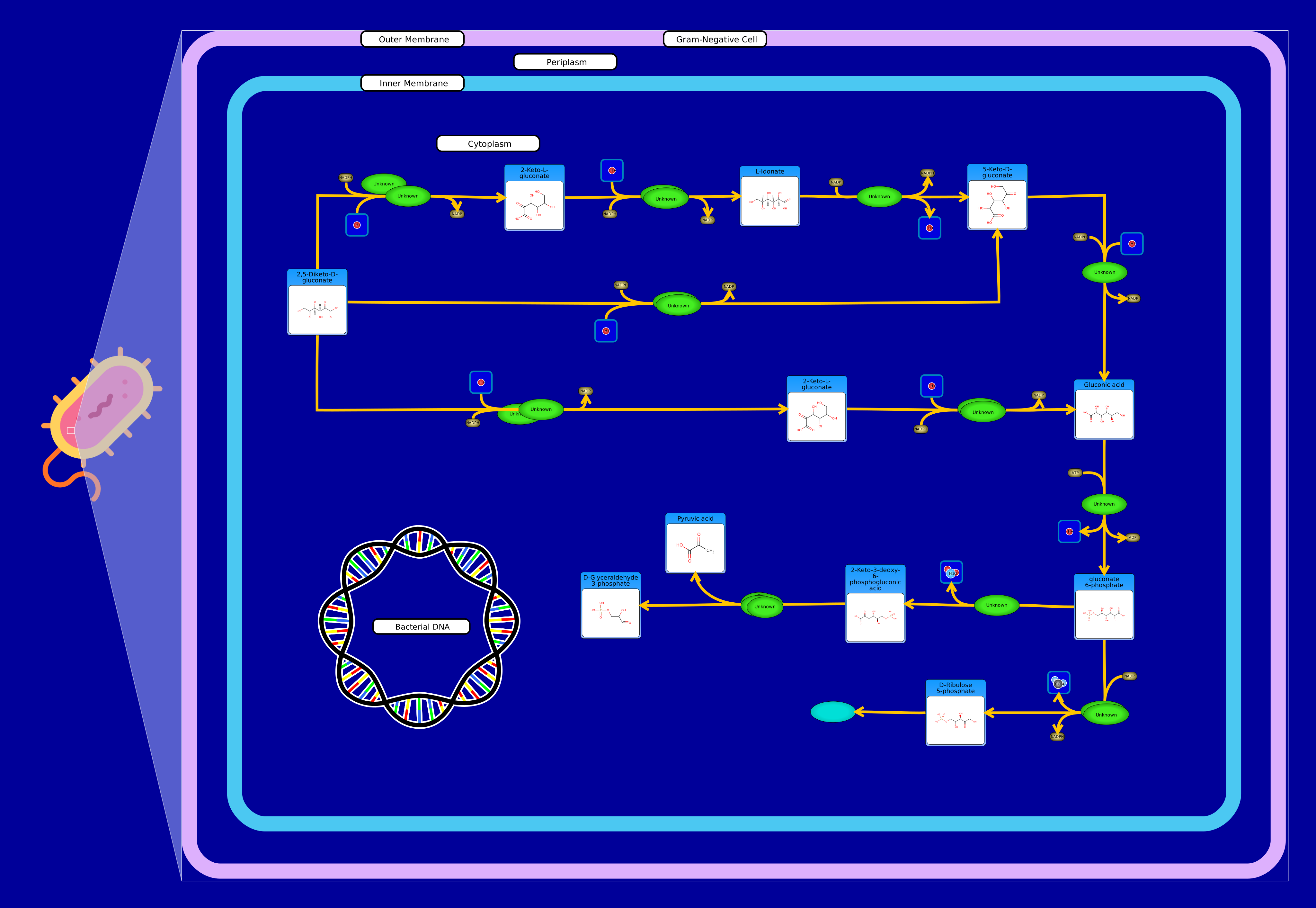 View Pathway
|
Ketogluconate MetabolismParabacteroides merdae ATCC 43184
The ketogluconate metabolism starts with the degradation of 2,5-didehydro-D-gluconate either through a NADPH dependent 2,5-diketo-D-gluconate reductase resulting in the release of a NADP and 5-dehydro-D-gluconate or through a NADPH dependent 2,5-diketo-D-gluconate reductase protein complex resulting in the release of a NADP and a 2-keto-L-gulonate. The 2-keto-L-gulonate interacts with a NADPH 2-keto-L-gulonate reductase resulting in a NADP and a L-idonate. The L-idonate interacts with a NADP L-idonate 5-dehydrogenase resulting in the release of hydrogen ion, a NADPH and a 5-dehydro-D-gluconate.
The 5-dehydro-D-gluconate interacts with a NADPH driven 5-keto-D-gluconate 5-reductase resulting in the release of a NADP and a D-gluconate.
The other way to produce D-gluconate is by having 2,5-Didehydro-D-gluconate interacting with a NADPH and hydrogen ion resulting in the release of a NADP and a 2-keto-D-gluconate which then interact with NADPH a 2-keto-D-gluconate reductase resulting in a NADP and a D-gluconate
The D-gluconate is phosphorylated by an ATP driven D-gluconate kinase resulting in a ADP, a hydrogen ion and a D-gluconate 6-phosphate.
This compound can either join the Entner-Doudoroff pathway or be metabolized by a NADP dependent 6-phosphogluconate dehydrogenase resulting in a NADPH, a carbon dioxide and a D-ribulose 5-phosphate.
The Entner-doudoroff pathway is dehydrated by a phosphogluconate dehydratase resulting in a water molecule and a 2-dehydro-3-deoxy-D-gluconate 6-phosphate.
This compound then interacts with a 2-keto-3-deoxygluconate 6-phosphate aldolase resulting in a D-glyceraldehyde 3-phosphate and a pyruvic acid.
The d-glyceraldehyde 3-phosphate is incorporated into a glycolysis while the pyruvic acid is decarboxylated into acetyl CoA
|
Creator: Julia Wakoli Created On: January 29, 2025 at 02:01 Last Updated: January 29, 2025 at 02:01 |
PW485121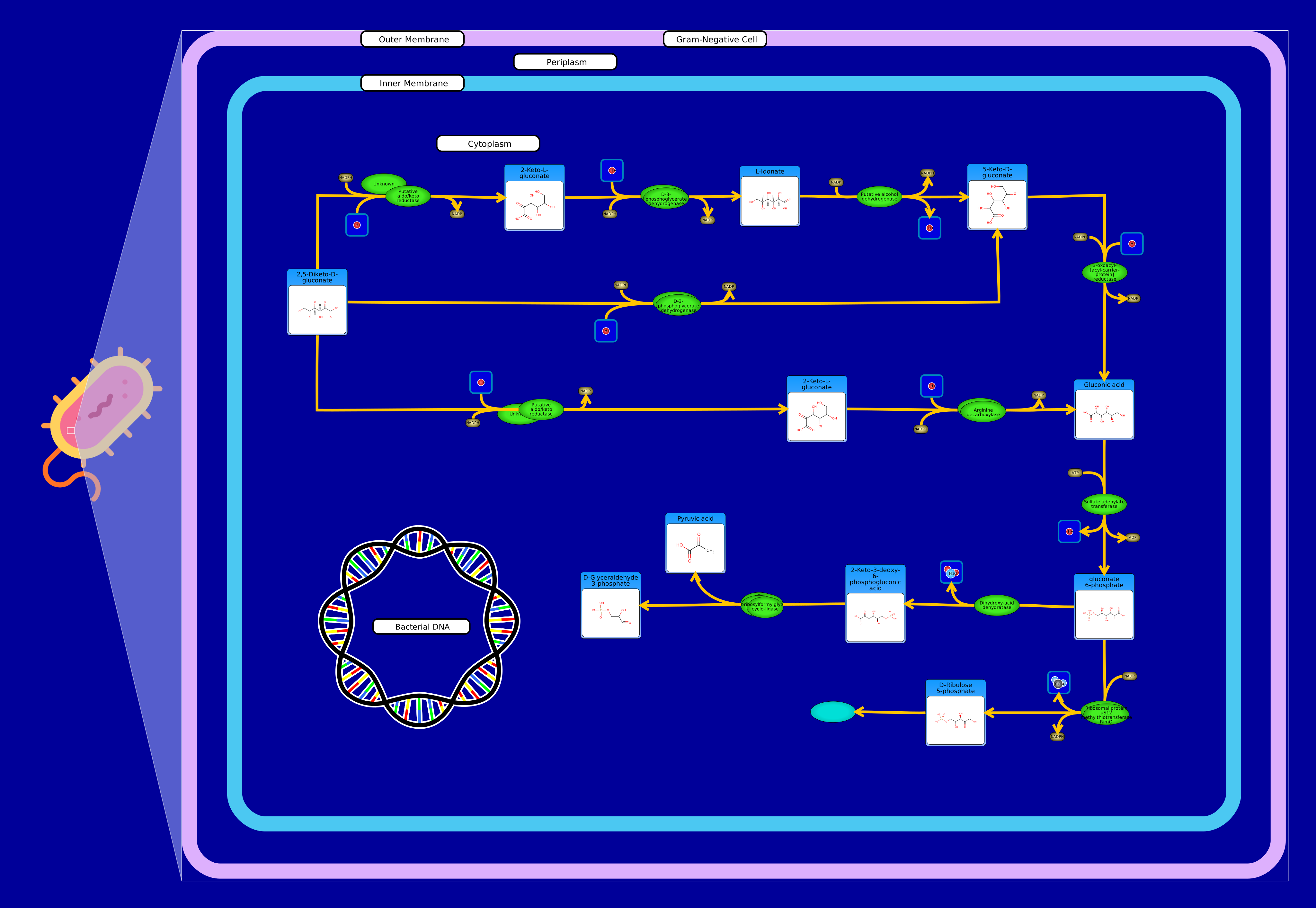 View Pathway
|
Ketogluconate MetabolismHelicobacter canadensis MIT 98-5491
The ketogluconate metabolism starts with the degradation of 2,5-didehydro-D-gluconate either through a NADPH dependent 2,5-diketo-D-gluconate reductase resulting in the release of a NADP and 5-dehydro-D-gluconate or through a NADPH dependent 2,5-diketo-D-gluconate reductase protein complex resulting in the release of a NADP and a 2-keto-L-gulonate. The 2-keto-L-gulonate interacts with a NADPH 2-keto-L-gulonate reductase resulting in a NADP and a L-idonate. The L-idonate interacts with a NADP L-idonate 5-dehydrogenase resulting in the release of hydrogen ion, a NADPH and a 5-dehydro-D-gluconate.
The 5-dehydro-D-gluconate interacts with a NADPH driven 5-keto-D-gluconate 5-reductase resulting in the release of a NADP and a D-gluconate.
The other way to produce D-gluconate is by having 2,5-Didehydro-D-gluconate interacting with a NADPH and hydrogen ion resulting in the release of a NADP and a 2-keto-D-gluconate which then interact with NADPH a 2-keto-D-gluconate reductase resulting in a NADP and a D-gluconate
The D-gluconate is phosphorylated by an ATP driven D-gluconate kinase resulting in a ADP, a hydrogen ion and a D-gluconate 6-phosphate.
This compound can either join the Entner-Doudoroff pathway or be metabolized by a NADP dependent 6-phosphogluconate dehydrogenase resulting in a NADPH, a carbon dioxide and a D-ribulose 5-phosphate.
The Entner-doudoroff pathway is dehydrated by a phosphogluconate dehydratase resulting in a water molecule and a 2-dehydro-3-deoxy-D-gluconate 6-phosphate.
This compound then interacts with a 2-keto-3-deoxygluconate 6-phosphate aldolase resulting in a D-glyceraldehyde 3-phosphate and a pyruvic acid.
The d-glyceraldehyde 3-phosphate is incorporated into a glycolysis while the pyruvic acid is decarboxylated into acetyl CoA
|
Creator: Julia Wakoli Created On: January 29, 2025 at 13:06 Last Updated: January 29, 2025 at 13:06 |