
| PathWhiz ID | Pathway | Meta Data |
|---|---|---|
PW128488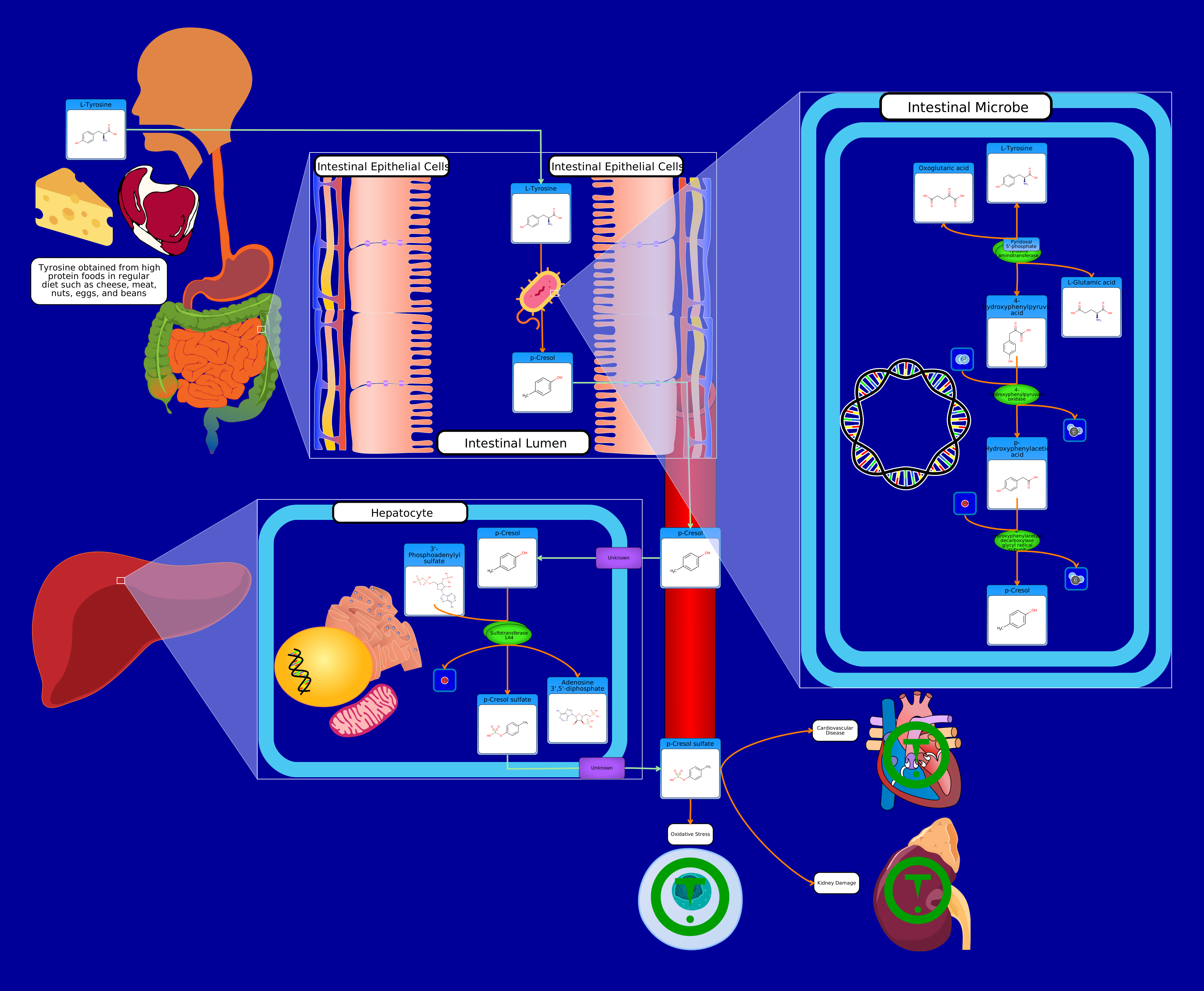 View Pathway
|
Metabolism and Physiological Effects of p-Cresol sulphate 1693495430Homo sapiens
Para-Hydroxyphenylacetic acid, also known as 4-hydroxybenzeneacetate, is classified as a member of the 1-hydroxy-2-unsubstituted benzenoids. 1-Hydroxy-2-unsubstituted benzenoids are phenols that are unsubstituted at the 2-position. p-Hydroxyphenylacetic acid is considered to be slightly soluble (in water) and acidic. p-Hydroxyphenylacetic acid can be synthesized from acetic acid. It is also a parent compound for other transformation products, including but not limited to, methyl 2-(4-hydroxyphenyl)acetate, ixerochinolide, and lactucopicrin 15-oxalate. p-Hydroxyphenylacetic acid can be found in numerous foods such as olives, cocoa beans, oats, and mushrooms. p-Hydroxyphenylacetic acid can be found throughout all human tissues and in all biofluids. Within a cell, p-hydroxyphenylacetic acid is primarily located in the cytoplasm and in the extracellular space. p-Hydroxyphenylacetic acid is also a microbial metabolite produced by Acinetobacter, Clostridium, Klebsiella, Pseudomonas, and Proteus. Higher levels of this metabolite are associated with an overgrowth of small intestinal bacteria from Clostridia species including C. difficile, C. stricklandii, C. lituseburense, C. subterminale, C. putrefaciens, and C. propionicum .The reversible reaction of l-tyrosine with 2-oxoglutarate in 4-hydroxyphenylpyruvate and L-glutamate is catalysed by tyrosine transaminase (EC 2.6.1.5.) or by aromatic-amino-acid transaminase (EC 2.6.1.57.) To a small extent, 4-hydroxyphenylpyruvate and ammonia can also be formed by the enzyme phenylalanine dehydrogenase (EC 1.4.1.20.) from l-tyrosine. 4-Hydroxyphenylpyruvate is the precursor of 4-hydroxyphenylacetate, catalysed by p-hydroxyphenylpyruvate oxidase (EC 1.2.3.13.).
|
Creator: Hayley Created On: August 31, 2023 at 09:25 Last Updated: August 31, 2023 at 09:25 |
PW124564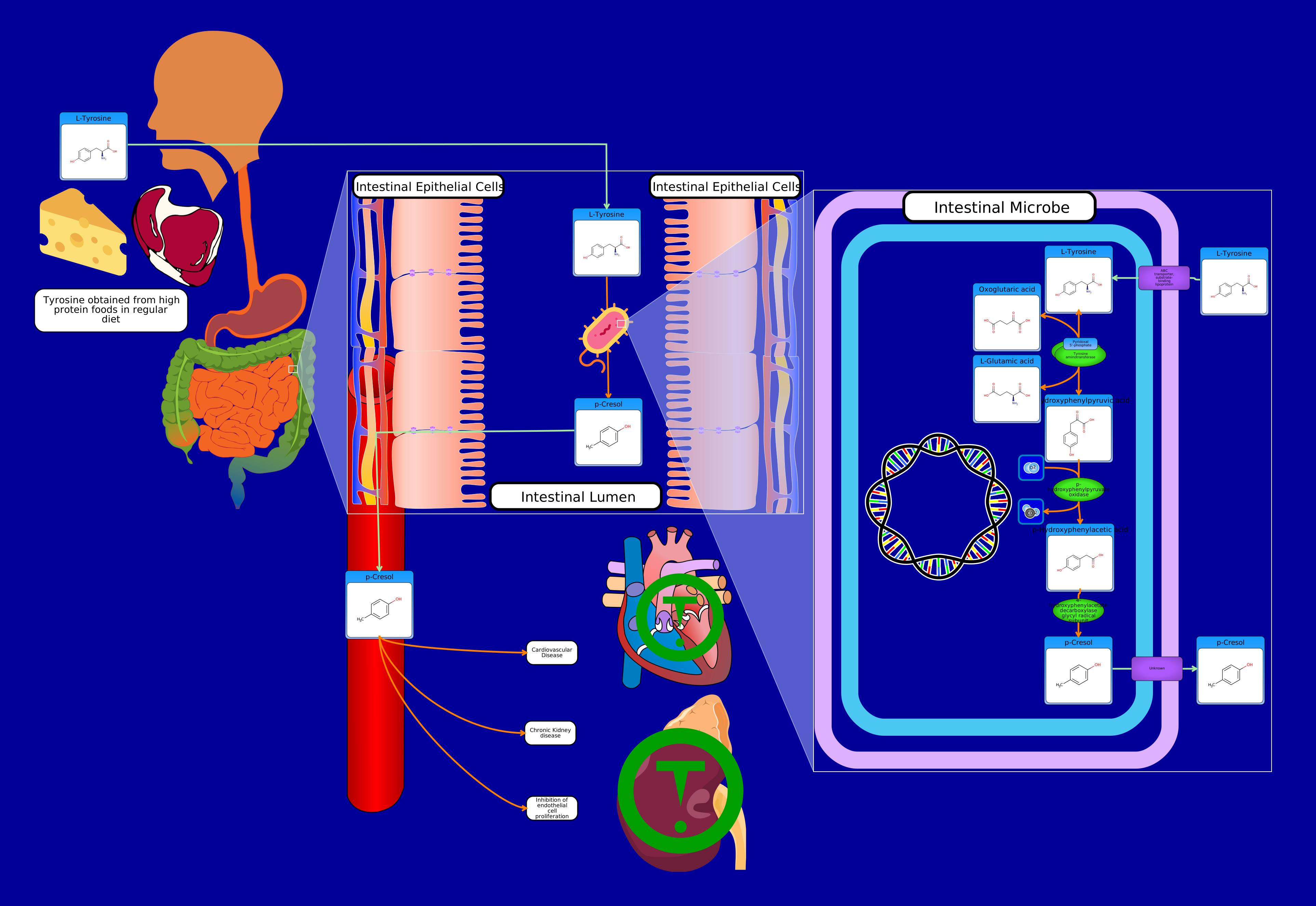 View Pathway
|
Metabolism and Physiological Effects of Para-cresolHomo sapiens
Para-cresol(P-cresol) is a phenolic compound that is formed through gut microbial metabolism from the amino acid tyrosine which is acquired from foods that are high in protein. After being transported into gut microbes, tyrosine undergoes reactions with the enzymes tyrosine transaminase, 4-hydroxyphenylpyruvate oxidase and 4-hydroxylphenylacetate decarboxylase to form para-cresol. Most of the p-cresol that is produced from the gut microbes then enters systemic circulation. P-cresol can then undergo sulfation or glucuronidation reactions in the liver to produce the uremic toxins p-cresyl sulfate and p-cresyl glucuronide respectively. However, P-cresol itself can also be a uremic toxin with widespread toxic effects on the body. P-cresol is shown to be associated with cardiovascular disease and it can also inhibit endothelial cell proliferation.
|
Creator: Rahil Doshi Created On: March 02, 2021 at 14:13 Last Updated: March 02, 2021 at 14:13 |
PW124673 View Pathway
|
Metabolism and Physiological Effects of Para-cresyl glucuronideHomo sapiens
Para-cresyl glucuronide (P-cresyl glucuronide) is a phenolic compound that is formed through gut microbial metabolism from dietary tyrosine and a glucuronidation reaction in liver hepatic cells. After being transported into gut microbes, tyrosine undergoes reactions with the enzymes tyrosine transaminase, 4-hydroxyphenylpyruvate oxidase and 4-hydroxylphenylacetate decarboxylase to form para-cresol. Most of the p-cresol that is produced from the gut microbes then enters systemic circulation and is converted into P-cresyl sulphate by the liver. However a small portion also gets converted to P-cresyl glucuronide. This occurs when P-cresol then undergoes a reaction in a liver hepatocyte through a glucuronosyltransferase enzyme to form P-cresyl glucuronide. When P-cresyl glucuronide returns back into systemic circulation it is shown to be a uremic toxin with some similar effects to P-cresyl sulphate. P-cresyl glucuronide is shown to induce stress in renal tubule cells as well as the effect shared by p-cresyl sulphate in causing enhanced oxidative stress.
|
Creator: Rahil Doshi Created On: April 12, 2021 at 16:35 Last Updated: April 12, 2021 at 16:35 |
PW124560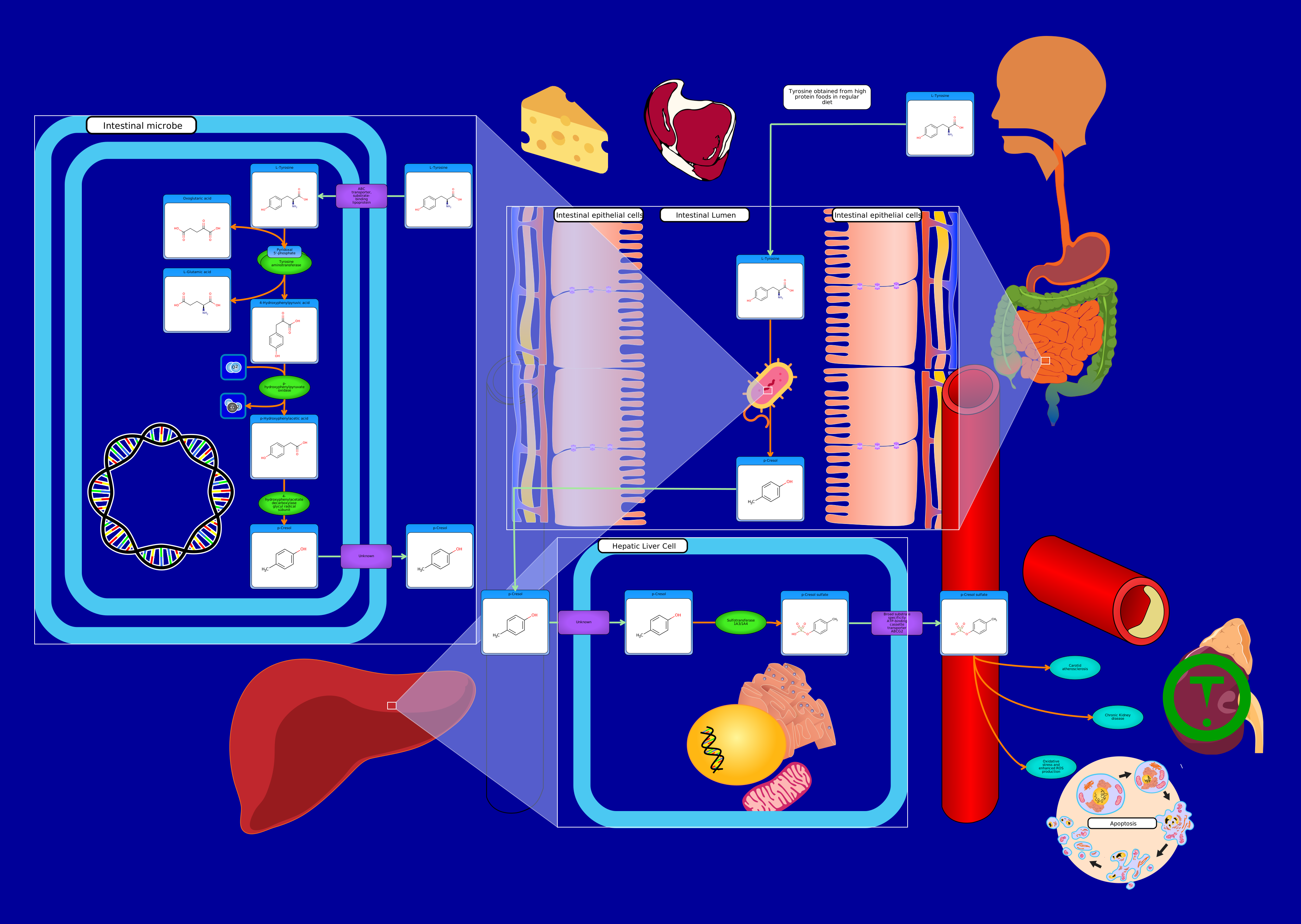 View Pathway
|
Metabolism and Physiological Effects of Para-cresyl sulphateHomo sapiens
Para-cresyl sulphate(P-cresyl sulphate) is a phenolic compound that is formed through gut microbial metabolism from dietary tyrosine and a sulfation reaction in liver hepatic cells. After being transported into gut microbes, tyrosine undergoes reactions with the enzymes tyrosine transaminase, 4-hydroxyphenylpyruvate oxidase and 4-hydroxylphenylacetate decarboxylase to form para-cresol. Most of the p-cresol that is produced from the gut microbes then enters systemic circulation. P-cresol then ultimately undergoes a sulfation reaction in a liver hepatocyte through a sulfotransferase enzyme to form P-cresyl sulphate. When P-cresyl sulphate returns back into systemic circulation it is shown to be a major uremic toxin through high levels of retention. P-cresyl sulphate is shown to cause carotid atherosclerosis and enhance reactive oxygen species production causing cardiac toxicity and leads to cardiomyocyte apoptosis.
|
Creator: Rahil Doshi Created On: February 27, 2021 at 20:35 Last Updated: February 27, 2021 at 20:35 |
PW124605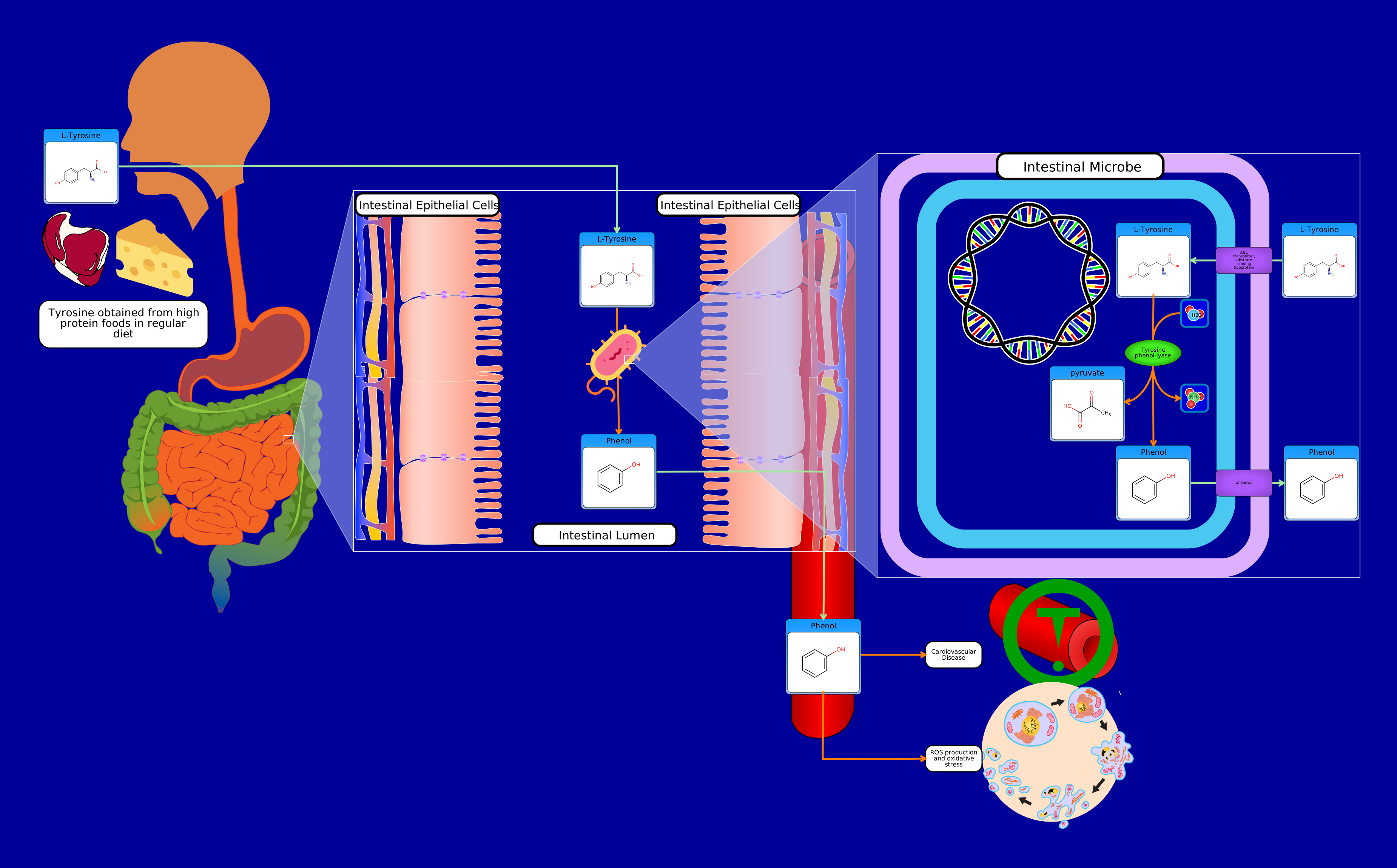 View Pathway
|
Metabolism and Physiological Effects of PhenolHomo sapiens
Phenol is a phenolic compound that is formed through gut microbial metabolism from dietary tyrosine. After being transported into gut microbes, tyrosine undergoes a reaction with the enzyme tyrosine phenol-lyase to form phenol. Phenol that is produced from the gut microbes then enters systemic circulation. Phenol can get further metabolized in a liver hepatocyte to Phenyl sulphate and Phenyl glucuronide. However phenol itself is shown to be a major uremic toxin through high levels of retention. Phenol is shown to cause cardiovascular disease and enhance the production of reactive oxygen species and cause oxidative stress.
|
Creator: Rahil Doshi Created On: March 24, 2021 at 01:11 Last Updated: March 24, 2021 at 01:11 |
PW128449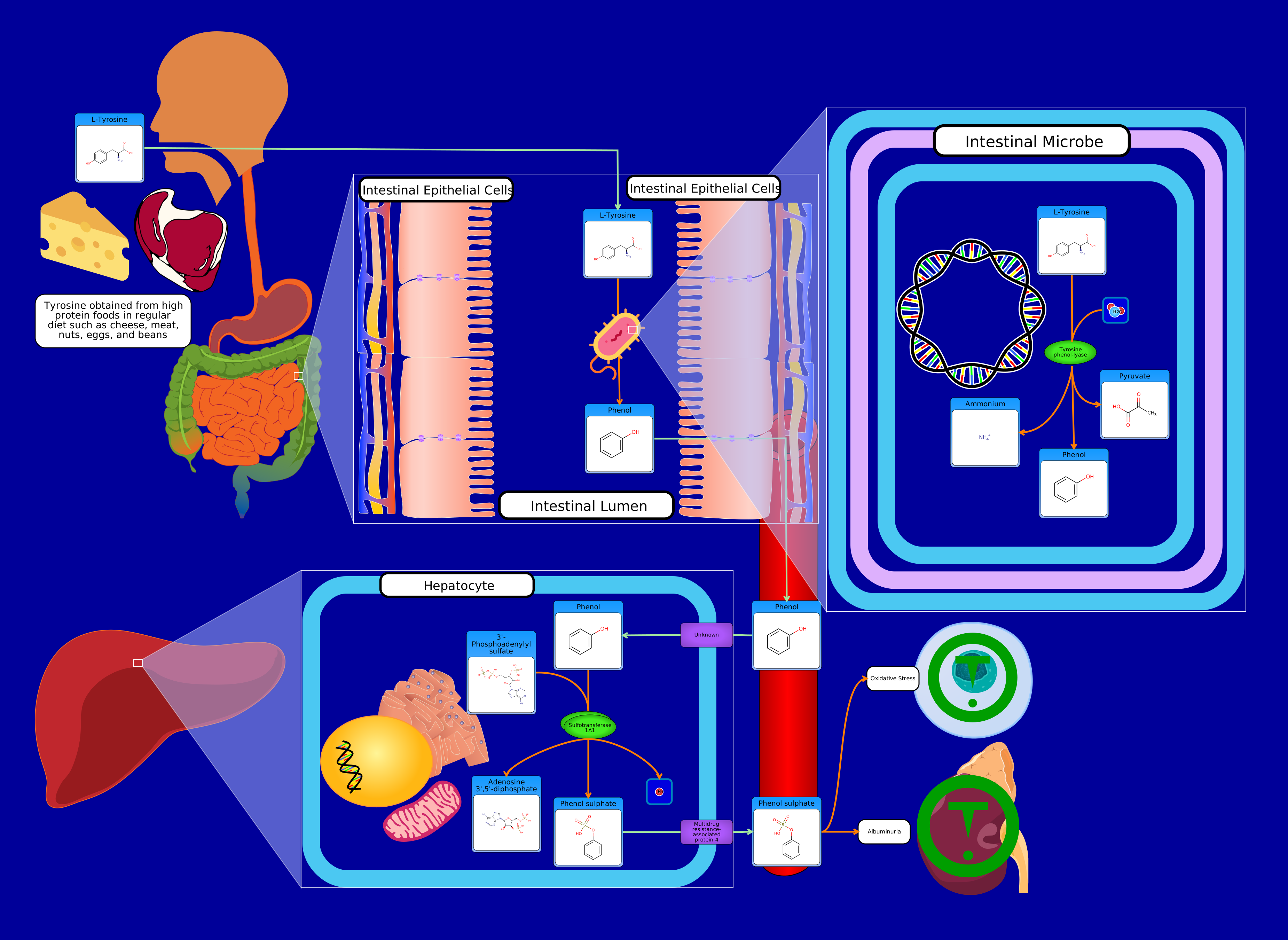 View Pathway
|
Metabolism and Physiological Effects of Phenol sulphateHomo sapiens
Phenol sulphate, also known as phenylsulfate or aryl sulphate, belongs to the class of organic compounds known as phenylsulfates. Phenylsulfates are compounds containing a sulfate group conjugated to a phenyl group. In normal humans, phenol sulphate is primarily a gut-derived metabolite that arises from the activity of the bacterial enzyme tyrosine phenol-lyase, which is responsible for the synthesis of phenol from dietary tyrosine. Phenol sulphate can also arise from the consumption of phenol or from phenol poisoning. Phenol sulphate is produced from the conjugation of phenol with sulphate in the liver. In particular, phenol sulphate can be biosynthesized from phenol and phosphoadenosine phosphosulfate through the action of the enzyme sulfotransferase 1A1 in the liver. Phenol sulphate can be found in most mammals (mice, rats, sheep, dogs, humans) and likely most animals. Phenol sulphate is a uremic toxin. It is a protein-bound uremic solute that induces reactive oxygen species (ROS) production and decreases glutathione levels, rendering cells vulnerable to oxidative stress. In experimental models of diabetes, phenol sulphate administration has been shown to induce albuminuria and podocyte damage. In a diabetic patient cohort, phenol sulphate levels were found to significantly correlate with basal and predicted 2-year progression of albuminuria in patients with microalbuminuria. Tyrosine is converted to phenol by a bacterial enzyme called tyrosine phenol-lyase before it is converted to phenol sulphate in the liver by sulfotransferase 1A1.
|
Creator: Hayley Created On: August 29, 2023 at 10:45 Last Updated: August 29, 2023 at 10:45 |
PW124577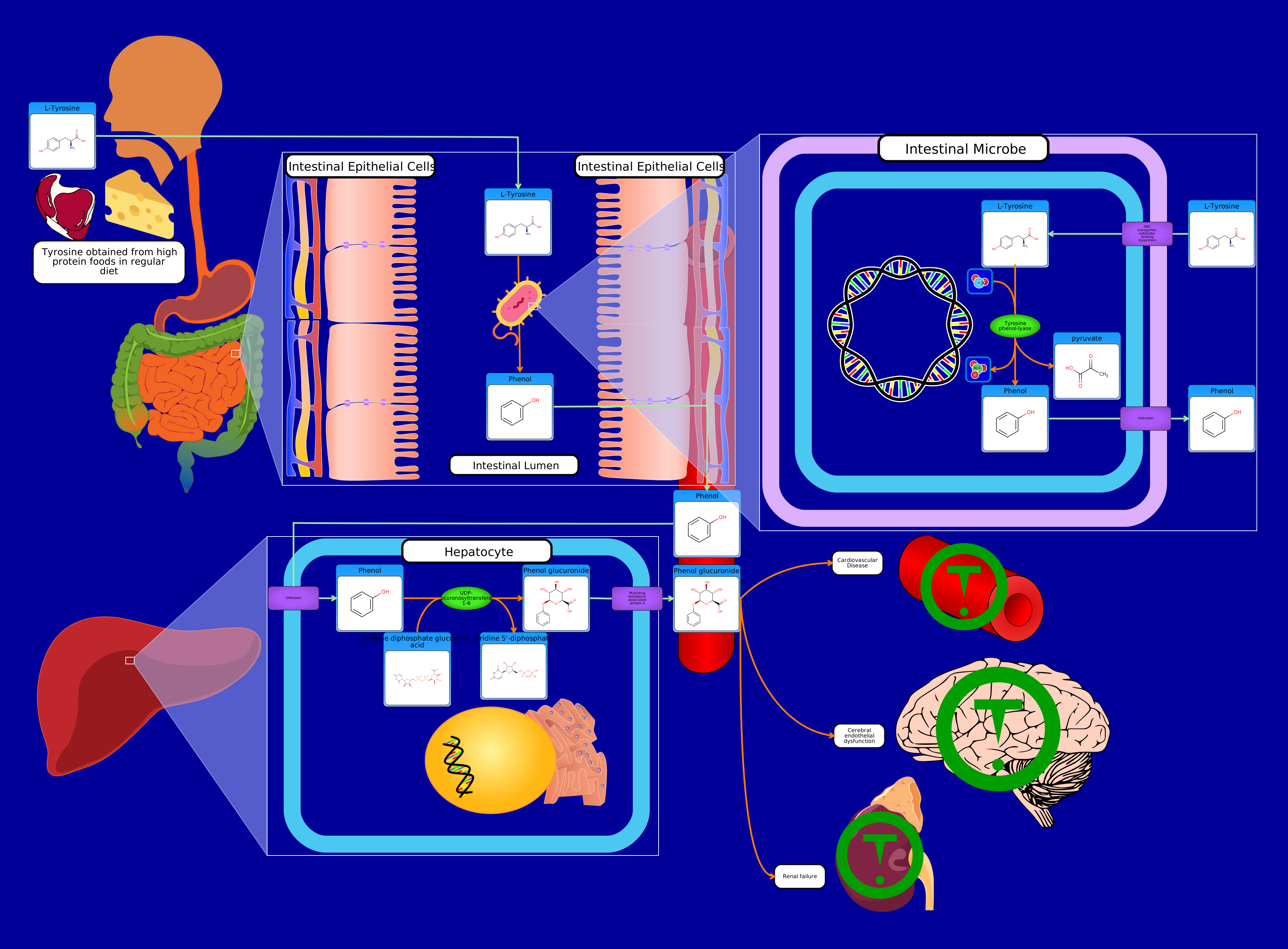 View Pathway
|
Metabolism and Physiological Effects of Phenyl glucuronideHomo sapiens
Phenyl glucuronide is a phenolic compound that is formed through gut microbial metabolism from dietary tyrosine and a glucuronidation reaction in liver hepatic cells. After being transported into gut microbes, tyrosine undergoes a reaction with the enzyme tyrosine phenol-lyase to form phenol. Phenol that is produced from the gut microbes then enters systemic circulation. Ultimately phenol undergoes a reaction in a liver hepatocyte through a glucuronosyltransferase enzyme to form Phenyl glucuronide. When this compound returns back into systemic circulation it is shown to be a major uremic toxin through high levels of retention. Phenyl glucuronide is shown to
|
Creator: Rahil Doshi Created On: March 10, 2021 at 17:32 Last Updated: March 10, 2021 at 17:32 |
PW124563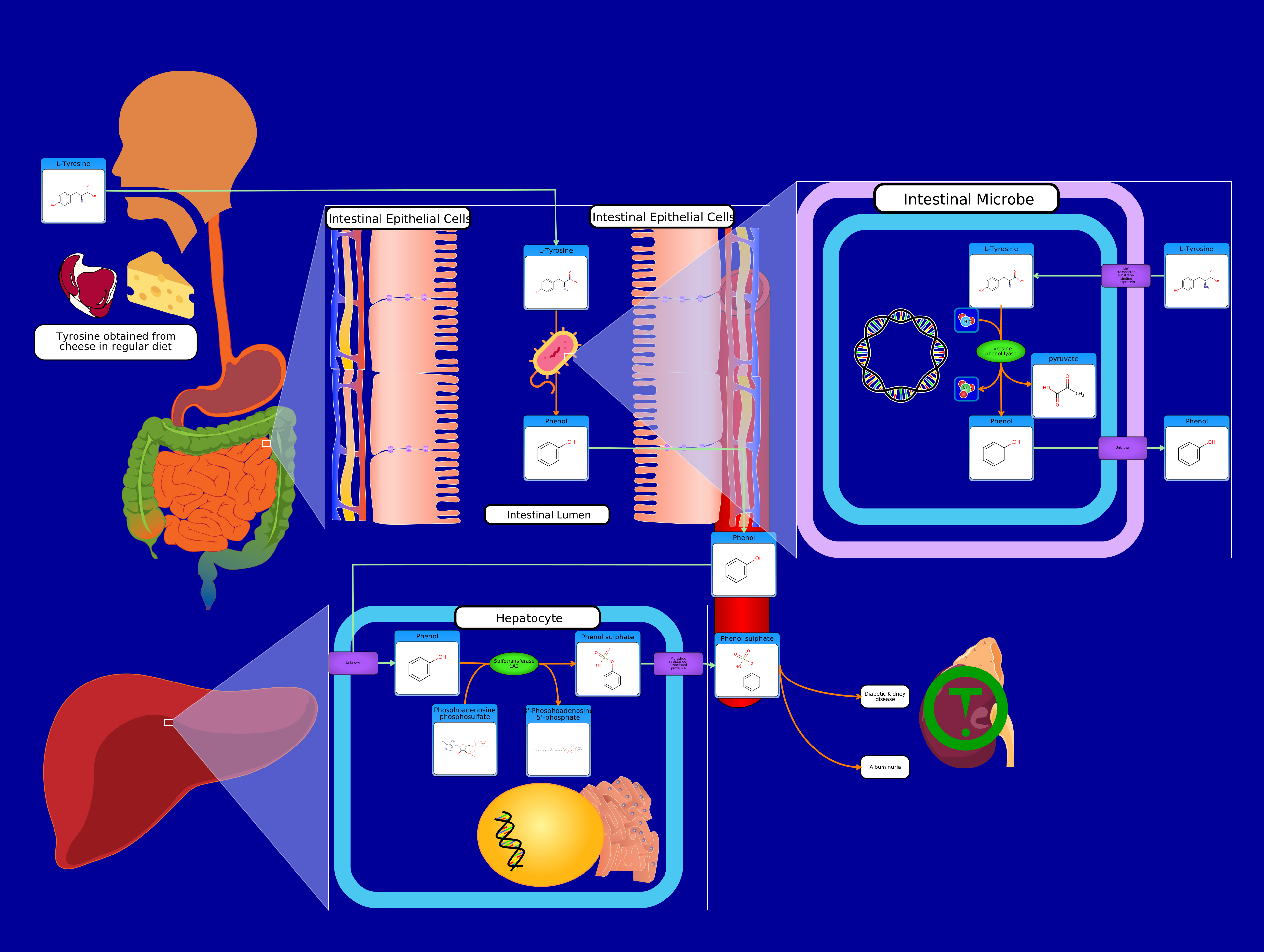 View Pathway
|
Metabolism and Physiological Effects of Phenyl sulfateHomo sapiens
Phenyl sulphate is a phenolic compound that is formed through gut microbial metabolism from dietary tyrosine and a sulfation reaction in liver hepatic cells. After being transported into gut microbes, tyrosine undergoes a reaction with the enzyme tyrosine phenol-lyase to form phenol. Phenol that is produced from the gut microbes then enters systemic circulation. Ultimately phenol undergoes a sulfation reaction in a liver hepatocyte through a sulfotransferase enzyme to form Phenyl sulphate. When Phenyl sulphate returns back into systemic circulation it is shown to be a major uremic toxin through high levels of retention. Phenyl sulphate is shown to cause albuminuria and diabetic kidney disease.
|
Creator: Rahil Doshi Created On: March 02, 2021 at 01:29 Last Updated: March 02, 2021 at 01:29 |
PW124606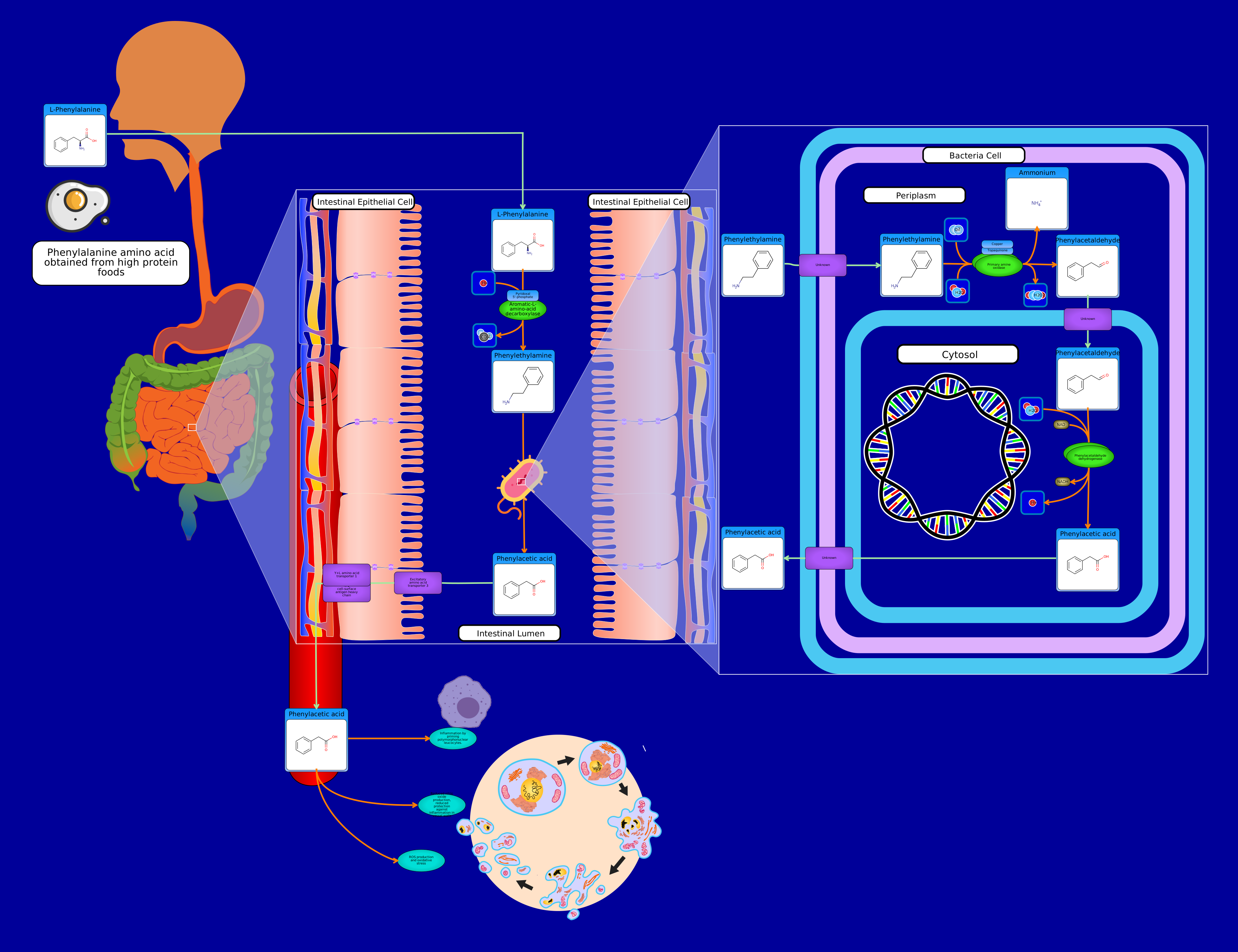 View Pathway
|
Metabolism and Physiological Effects of Phenylacetic AcidHomo sapiens
Phenylacetic acid is carboxylic acid ester that has also been found to be a uremic toxin that is synthesized from L-phenylalanine. L-Phenylalanine is consumed through high protein foods such as eggs, chicken, liver, beef, milk, and soybeans. In the intestine L-phenylalanine is converted into 2-phenylethylamine by the enzyme Aromatic-L-amino-acid decarboxylase. 2-Phenylethylamine then is transported into the periplasm of intestinal bacteria such as E. Coli strain K12 through an unknown transporter. In the periplasm of the E. coli, 2-phenylethylamine is catalyzed by the enzyme primary amine oxidase to synthesize phenylacetaldehyde. Phenylacetaldehyde is transported into the cytosol of the E. coli bacteria where it is catalyzed by the enzyme phenylacetaldehyde dehydrogenase to synthesize phenylacetic acid. Phenylacetic acid is transported out of the bacteria, back into the intestine by an unknown transporter. Phenylacetic acid is then transported into the blood where it has various effects on the human body. It reduces nitric oxide production and reduces protection against inflammation in vessel walls. It also leads to the production of reactive oxygen species. It also contribute to inflammation by priming polymorphonuclear leucocytes.
|
Creator: Rahil Doshi Created On: March 24, 2021 at 01:47 Last Updated: March 24, 2021 at 01:47 |
PW124558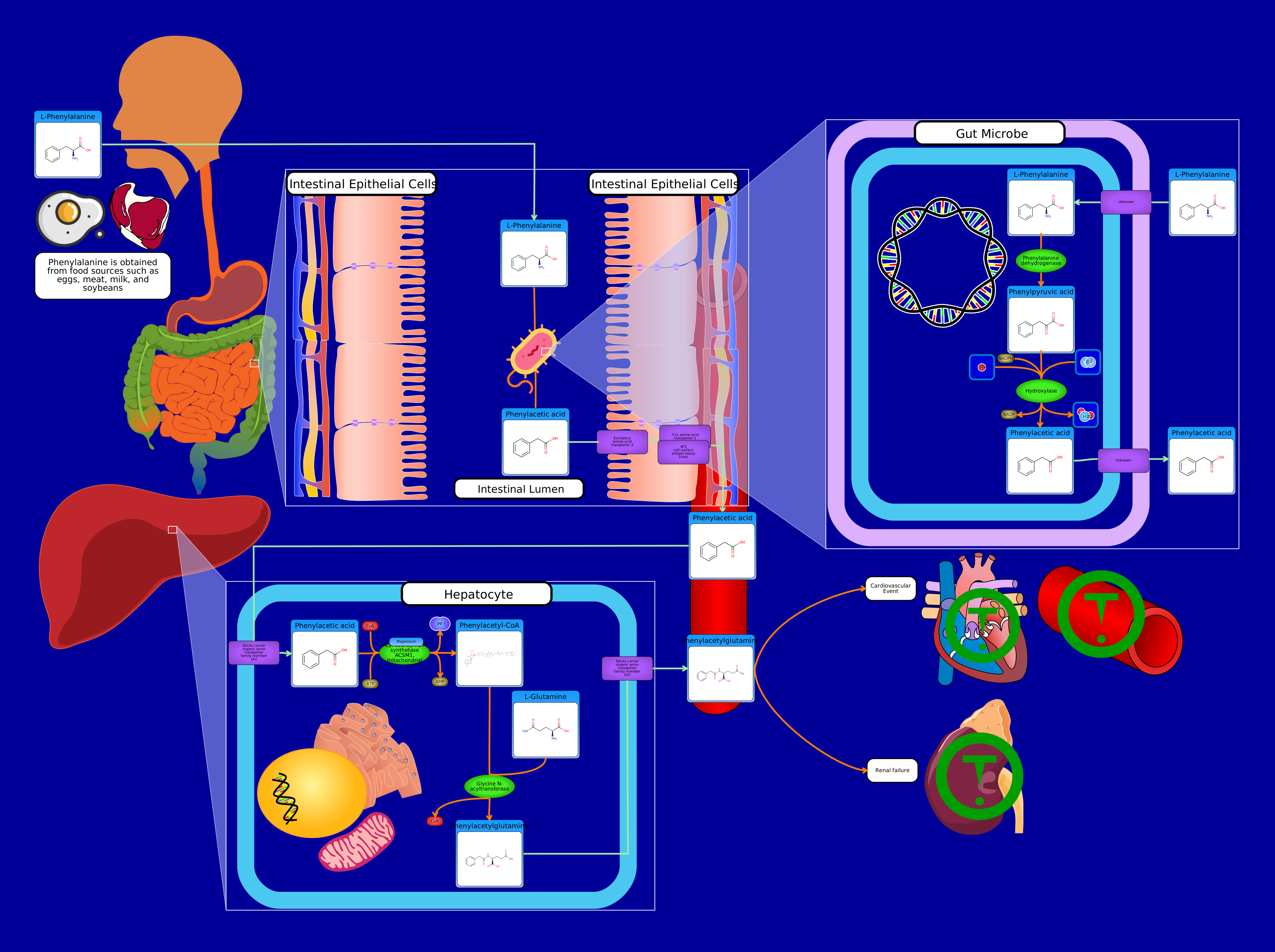 View Pathway
|
Metabolism and Physiological Effects of PhenylacetylglutamineHomo sapiens
Phenylacetylglutamine is a product formed by the conjugation of phenylacetate and glutamine. It is a common metabolite that occurs naturally in human urine.
The highly-nitrogenous compound is most commonly encountered in human subjects with urea cycle disorders,. These conditions, such as uremia or hyperammonemia, tend to cause high levels of nitrogen in the form of ammonia in the blood. Uremic conditions are a result of defects in enzymes that convert ammonia to urea, the primary nitrogenous waste metabolite in the urea cycle. Phenylacetylglutamine is a product formed from the conjugation of phenylacetate and glutamine. Technically, it is the amino acid acetylation product of phenylacetate (or phenylbutyrate after beta-oxidation). Phenylacetylglutamine is a normal constituent of human urine, but other mammals such as the dog, cat, rat, monkey, sheep, and horse do not excrete this compound. Phenylacetyl-CoA and L-glutamine react to form phenylacetylglutamine and coenzyme A. The enzyme (glutamine N-acetyl transferase) that catalyzes this reaction has been purified from human liver mitochondria and shown to be a polypeptide species distinct from glycine-N-acyltransferase. Phenylacetylglutamine is a major nitrogenous metabolite that accumulates in uremia. It has been shown that over 50% of urine phenylacetylglutamine may be derived from kidney conjugation of free plasma phenylacetic acid and/or from the kidney's preferential filtration of conjugated phenylacetic acid. Phenylacetylglutamine is a microbial metabolite found in Christensenellaceae, Lachnospiraceae and Ruminococcaceae.
|
Creator: Rahil Doshi Created On: February 27, 2021 at 20:19 Last Updated: February 27, 2021 at 20:19 |