
| PathWhiz ID | Pathway | Meta Data |
|---|---|---|
PW763020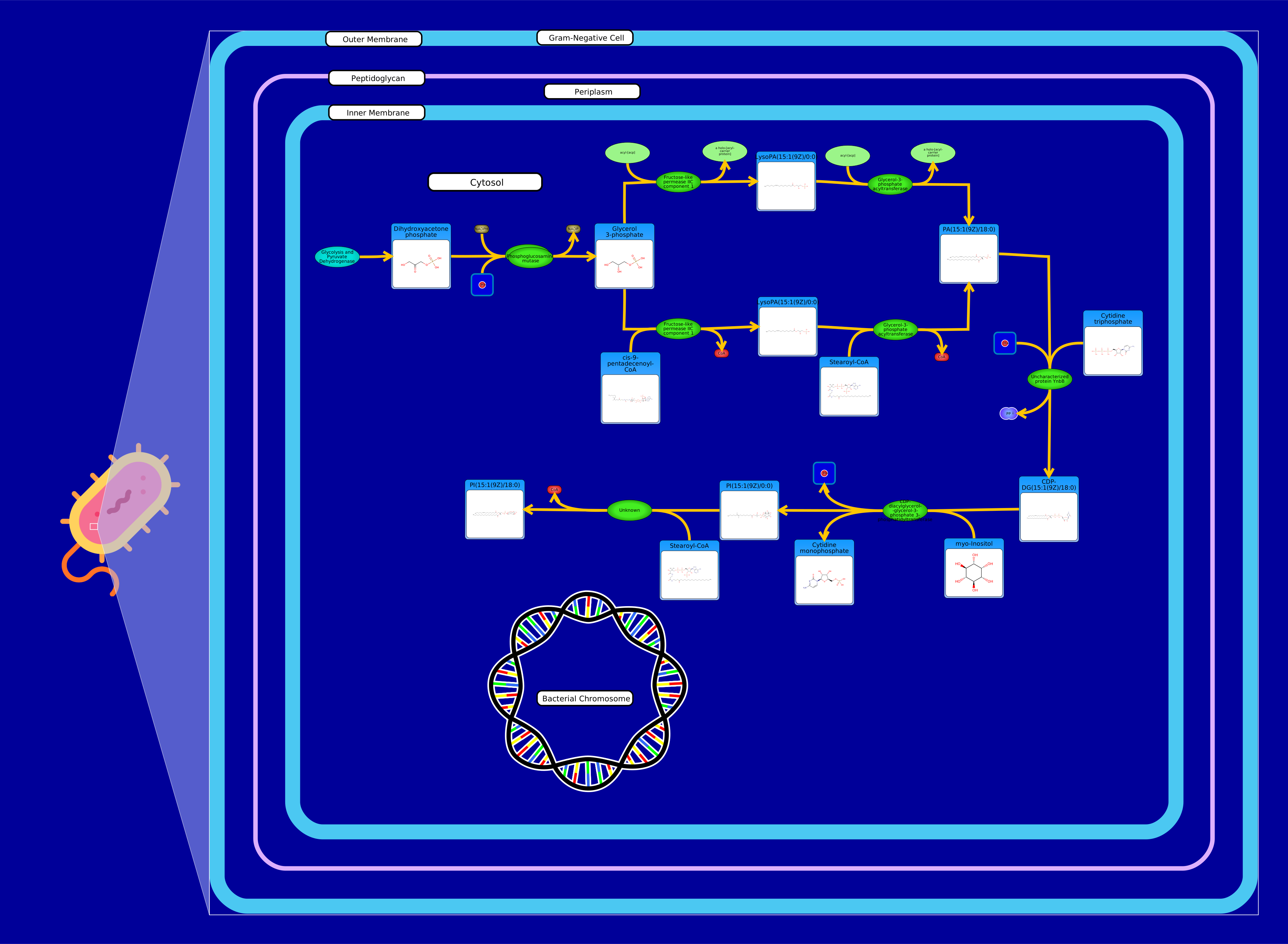 View Pathway
|
phosphatidylinositol (PI(15:1(9Z)/18:0)) BiosynthesisEscherichia coli (strain K12)
Phosphatidylinositol (PI) biosynthesis in bacteria is a multistep enzymatic process that begins with the formation of glycerol 3-phosphate from dihydroxyacetone phosphate, catalyzed by glycerol-3-phosphate dehydrogenase. This initial step provides the glycerol backbone essential for subsequent acylation reactions. Glycerol-3-phosphate is first acylated at the sn-1 position by glycerol-3-phosphate acyltransferase, which transfers a fatty acyl group from acyl-CoA (for example, 3-hydroxydodecanoyl-CoA) to form lysophosphatidic acid (LysoPA), specifically LysoPA(12:0/0:0). The sn-2 position of LysoPA is then acylated by 1-acylglycerol-3-phosphate O-acyltransferase using a second fatty acyl donor, such as oleoyl-CoA, generating phosphatidic acid (PA(12:0/18:1(9Z))). Phosphatidic acid is subsequently activated through the formation of CDP-diacylglycerol (CDP-DG) in a reaction catalyzed by CDP-diglyceride synthetase, which consumes cytidine triphosphate and releases pyrophosphate. The CDP-DG intermediate then reacts with myo-inositol in a reaction catalyzed by CDP-diacylglycerol–glycerol-3-phosphate 3-phosphatidyltransferase, producing phosphatidylinositol with an empty sn-2 position (PI(12:0/0:0)) and releasing cytidine monophosphate and a proton. The final step, introducing the sn-2 fatty acyl group to form the mature PI species, such as PI(12:0/14:1(9Z)), is carried out by a membrane-bound O-acyltransferase (MBOAT) that transfers an acyl group from acyl-CoA (e.g., myristoleoyl-CoA) to the sn-2 position of PI. This step is poorly characterized in most bacteria, and the specific enzyme(s) responsible remain largely unannotated in bacterial genomes. Overall, bacterial PI biosynthesis demonstrates a tightly coordinated sequence of acylation, activation, and inositol transfer reactions, culminating in the formation of functionally diverse phosphatidylinositol species that contribute to membrane structure and signaling.
|
Creator: Julia Wakoli Created On: September 04, 2025 at 16:48 Last Updated: September 04, 2025 at 16:48 |
PW763022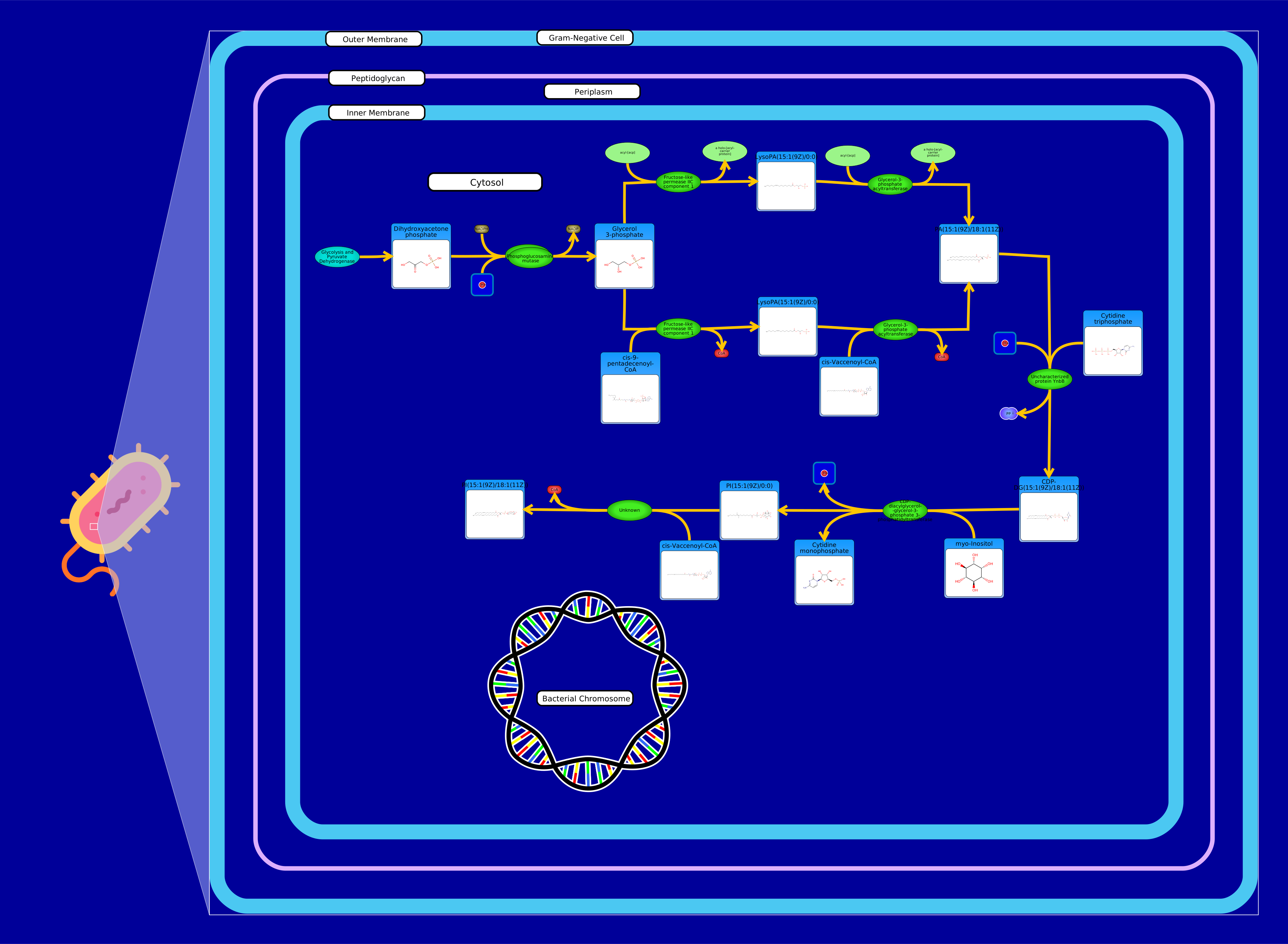 View Pathway
|
phosphatidylinositol (PI(15:1(9Z)/18:1(11Z))) BiosynthesisEscherichia coli (strain K12)
Phosphatidylinositol (PI) biosynthesis in bacteria is a multistep enzymatic process that begins with the formation of glycerol 3-phosphate from dihydroxyacetone phosphate, catalyzed by glycerol-3-phosphate dehydrogenase. This initial step provides the glycerol backbone essential for subsequent acylation reactions. Glycerol-3-phosphate is first acylated at the sn-1 position by glycerol-3-phosphate acyltransferase, which transfers a fatty acyl group from acyl-CoA (for example, 3-hydroxydodecanoyl-CoA) to form lysophosphatidic acid (LysoPA), specifically LysoPA(12:0/0:0). The sn-2 position of LysoPA is then acylated by 1-acylglycerol-3-phosphate O-acyltransferase using a second fatty acyl donor, such as oleoyl-CoA, generating phosphatidic acid (PA(12:0/18:1(9Z))). Phosphatidic acid is subsequently activated through the formation of CDP-diacylglycerol (CDP-DG) in a reaction catalyzed by CDP-diglyceride synthetase, which consumes cytidine triphosphate and releases pyrophosphate. The CDP-DG intermediate then reacts with myo-inositol in a reaction catalyzed by CDP-diacylglycerol–glycerol-3-phosphate 3-phosphatidyltransferase, producing phosphatidylinositol with an empty sn-2 position (PI(12:0/0:0)) and releasing cytidine monophosphate and a proton. The final step, introducing the sn-2 fatty acyl group to form the mature PI species, such as PI(12:0/14:1(9Z)), is carried out by a membrane-bound O-acyltransferase (MBOAT) that transfers an acyl group from acyl-CoA (e.g., myristoleoyl-CoA) to the sn-2 position of PI. This step is poorly characterized in most bacteria, and the specific enzyme(s) responsible remain largely unannotated in bacterial genomes. Overall, bacterial PI biosynthesis demonstrates a tightly coordinated sequence of acylation, activation, and inositol transfer reactions, culminating in the formation of functionally diverse phosphatidylinositol species that contribute to membrane structure and signaling.
|
Creator: Julia Wakoli Created On: September 04, 2025 at 16:49 Last Updated: September 04, 2025 at 16:49 |
PW763026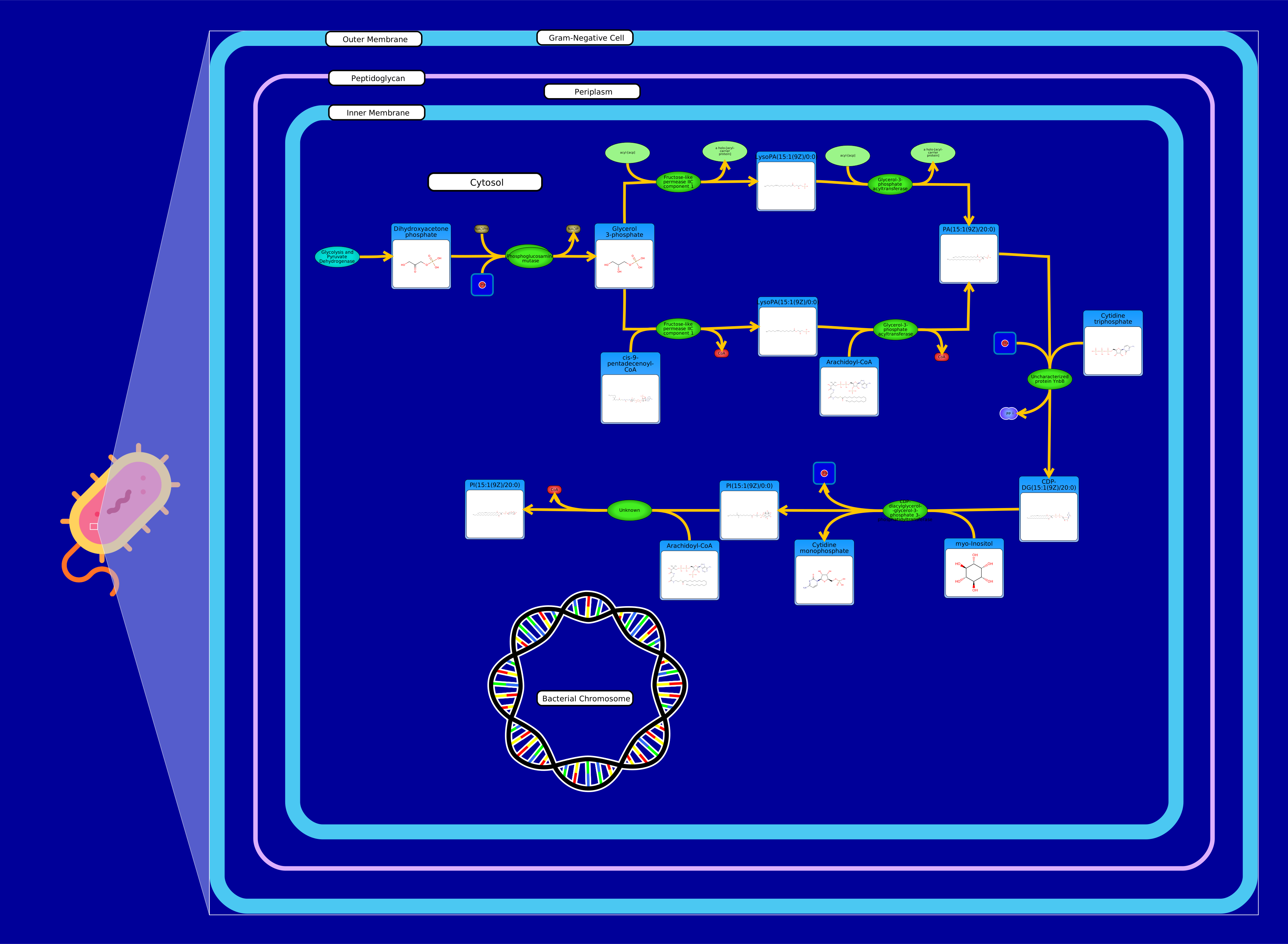 View Pathway
|
phosphatidylinositol (PI(15:1(9Z)/20:0)) BiosynthesisEscherichia coli (strain K12)
Phosphatidylinositol (PI) biosynthesis in bacteria is a multistep enzymatic process that begins with the formation of glycerol 3-phosphate from dihydroxyacetone phosphate, catalyzed by glycerol-3-phosphate dehydrogenase. This initial step provides the glycerol backbone essential for subsequent acylation reactions. Glycerol-3-phosphate is first acylated at the sn-1 position by glycerol-3-phosphate acyltransferase, which transfers a fatty acyl group from acyl-CoA (for example, 3-hydroxydodecanoyl-CoA) to form lysophosphatidic acid (LysoPA), specifically LysoPA(12:0/0:0). The sn-2 position of LysoPA is then acylated by 1-acylglycerol-3-phosphate O-acyltransferase using a second fatty acyl donor, such as oleoyl-CoA, generating phosphatidic acid (PA(12:0/18:1(9Z))). Phosphatidic acid is subsequently activated through the formation of CDP-diacylglycerol (CDP-DG) in a reaction catalyzed by CDP-diglyceride synthetase, which consumes cytidine triphosphate and releases pyrophosphate. The CDP-DG intermediate then reacts with myo-inositol in a reaction catalyzed by CDP-diacylglycerol–glycerol-3-phosphate 3-phosphatidyltransferase, producing phosphatidylinositol with an empty sn-2 position (PI(12:0/0:0)) and releasing cytidine monophosphate and a proton. The final step, introducing the sn-2 fatty acyl group to form the mature PI species, such as PI(12:0/14:1(9Z)), is carried out by a membrane-bound O-acyltransferase (MBOAT) that transfers an acyl group from acyl-CoA (e.g., myristoleoyl-CoA) to the sn-2 position of PI. This step is poorly characterized in most bacteria, and the specific enzyme(s) responsible remain largely unannotated in bacterial genomes. Overall, bacterial PI biosynthesis demonstrates a tightly coordinated sequence of acylation, activation, and inositol transfer reactions, culminating in the formation of functionally diverse phosphatidylinositol species that contribute to membrane structure and signaling.
|
Creator: Julia Wakoli Created On: September 04, 2025 at 16:52 Last Updated: September 04, 2025 at 16:52 |
PW763027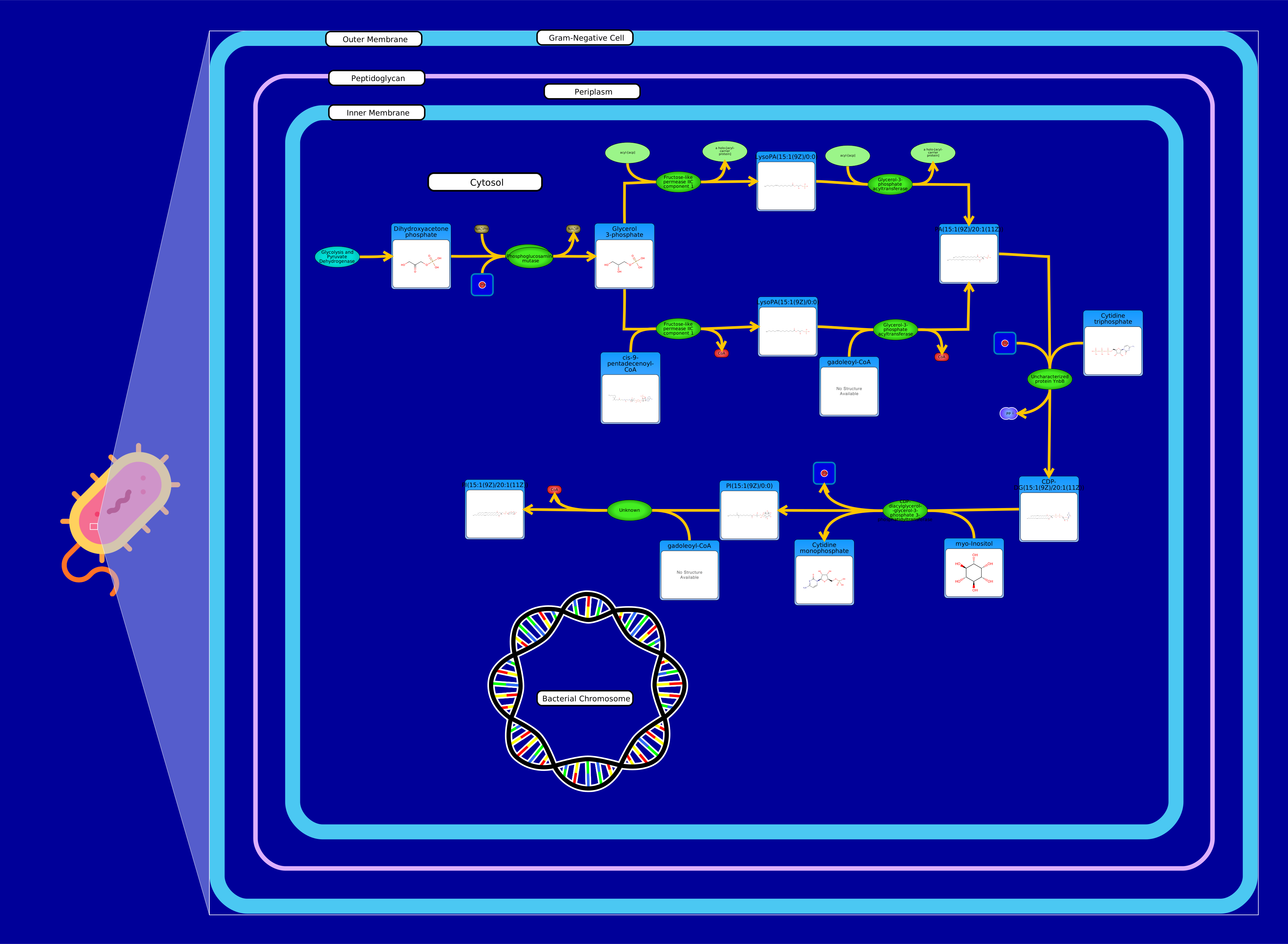 View Pathway
|
phosphatidylinositol (PI(15:1(9Z)/20:1(11Z))) BiosynthesisEscherichia coli (strain K12)
Phosphatidylinositol (PI) biosynthesis in bacteria is a multistep enzymatic process that begins with the formation of glycerol 3-phosphate from dihydroxyacetone phosphate, catalyzed by glycerol-3-phosphate dehydrogenase. This initial step provides the glycerol backbone essential for subsequent acylation reactions. Glycerol-3-phosphate is first acylated at the sn-1 position by glycerol-3-phosphate acyltransferase, which transfers a fatty acyl group from acyl-CoA (for example, 3-hydroxydodecanoyl-CoA) to form lysophosphatidic acid (LysoPA), specifically LysoPA(12:0/0:0). The sn-2 position of LysoPA is then acylated by 1-acylglycerol-3-phosphate O-acyltransferase using a second fatty acyl donor, such as oleoyl-CoA, generating phosphatidic acid (PA(12:0/18:1(9Z))). Phosphatidic acid is subsequently activated through the formation of CDP-diacylglycerol (CDP-DG) in a reaction catalyzed by CDP-diglyceride synthetase, which consumes cytidine triphosphate and releases pyrophosphate. The CDP-DG intermediate then reacts with myo-inositol in a reaction catalyzed by CDP-diacylglycerol–glycerol-3-phosphate 3-phosphatidyltransferase, producing phosphatidylinositol with an empty sn-2 position (PI(12:0/0:0)) and releasing cytidine monophosphate and a proton. The final step, introducing the sn-2 fatty acyl group to form the mature PI species, such as PI(12:0/14:1(9Z)), is carried out by a membrane-bound O-acyltransferase (MBOAT) that transfers an acyl group from acyl-CoA (e.g., myristoleoyl-CoA) to the sn-2 position of PI. This step is poorly characterized in most bacteria, and the specific enzyme(s) responsible remain largely unannotated in bacterial genomes. Overall, bacterial PI biosynthesis demonstrates a tightly coordinated sequence of acylation, activation, and inositol transfer reactions, culminating in the formation of functionally diverse phosphatidylinositol species that contribute to membrane structure and signaling.
|
Creator: Julia Wakoli Created On: September 04, 2025 at 16:54 Last Updated: September 04, 2025 at 16:54 |
PW763029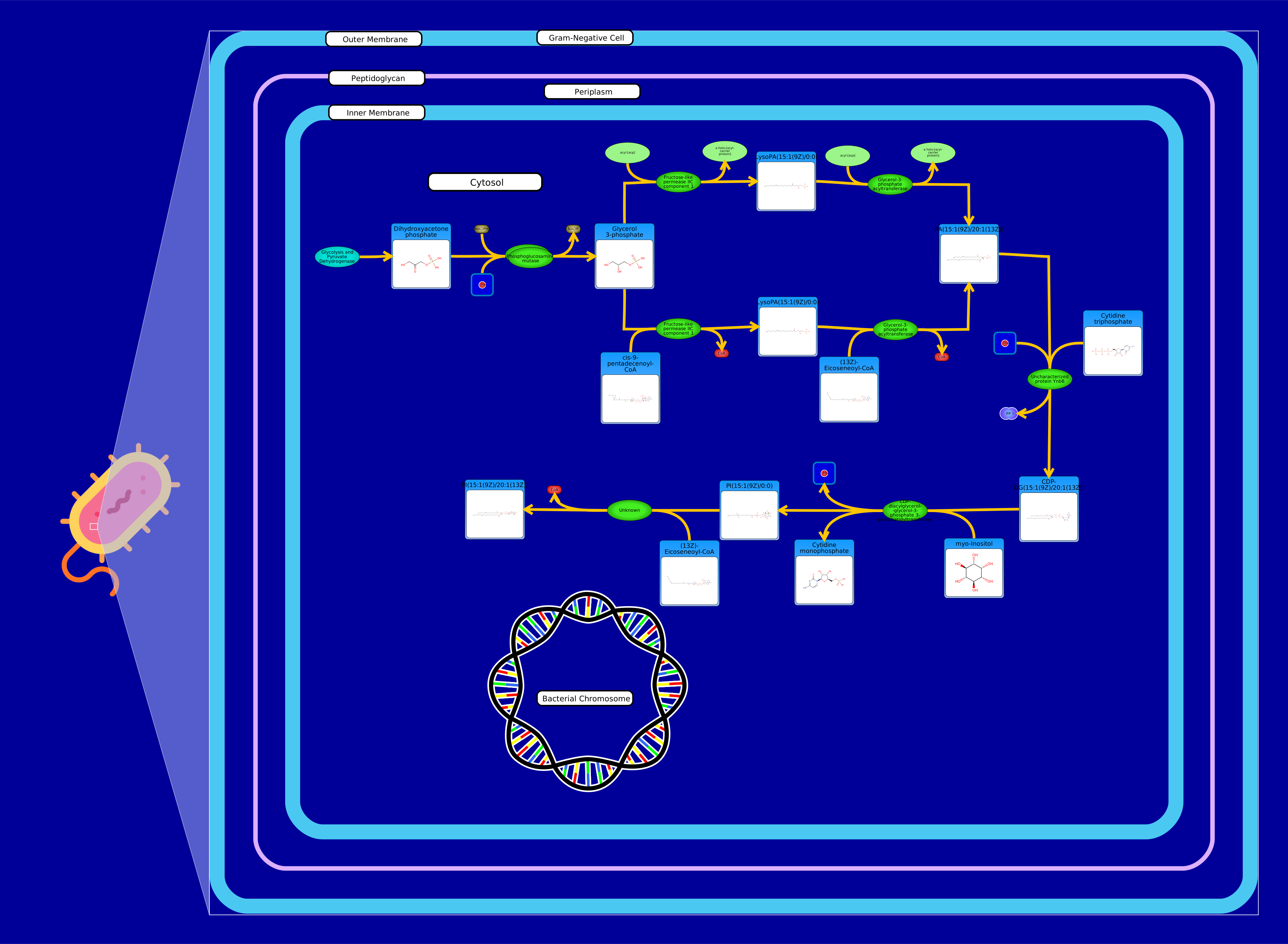 View Pathway
|
phosphatidylinositol (PI(15:1(9Z)/20:1(13Z))) BiosynthesisEscherichia coli (strain K12)
Phosphatidylinositol (PI) biosynthesis in bacteria is a multistep enzymatic process that begins with the formation of glycerol 3-phosphate from dihydroxyacetone phosphate, catalyzed by glycerol-3-phosphate dehydrogenase. This initial step provides the glycerol backbone essential for subsequent acylation reactions. Glycerol-3-phosphate is first acylated at the sn-1 position by glycerol-3-phosphate acyltransferase, which transfers a fatty acyl group from acyl-CoA (for example, 3-hydroxydodecanoyl-CoA) to form lysophosphatidic acid (LysoPA), specifically LysoPA(12:0/0:0). The sn-2 position of LysoPA is then acylated by 1-acylglycerol-3-phosphate O-acyltransferase using a second fatty acyl donor, such as oleoyl-CoA, generating phosphatidic acid (PA(12:0/18:1(9Z))). Phosphatidic acid is subsequently activated through the formation of CDP-diacylglycerol (CDP-DG) in a reaction catalyzed by CDP-diglyceride synthetase, which consumes cytidine triphosphate and releases pyrophosphate. The CDP-DG intermediate then reacts with myo-inositol in a reaction catalyzed by CDP-diacylglycerol–glycerol-3-phosphate 3-phosphatidyltransferase, producing phosphatidylinositol with an empty sn-2 position (PI(12:0/0:0)) and releasing cytidine monophosphate and a proton. The final step, introducing the sn-2 fatty acyl group to form the mature PI species, such as PI(12:0/14:1(9Z)), is carried out by a membrane-bound O-acyltransferase (MBOAT) that transfers an acyl group from acyl-CoA (e.g., myristoleoyl-CoA) to the sn-2 position of PI. This step is poorly characterized in most bacteria, and the specific enzyme(s) responsible remain largely unannotated in bacterial genomes. Overall, bacterial PI biosynthesis demonstrates a tightly coordinated sequence of acylation, activation, and inositol transfer reactions, culminating in the formation of functionally diverse phosphatidylinositol species that contribute to membrane structure and signaling.
|
Creator: Julia Wakoli Created On: September 04, 2025 at 16:55 Last Updated: September 04, 2025 at 16:55 |
PW763031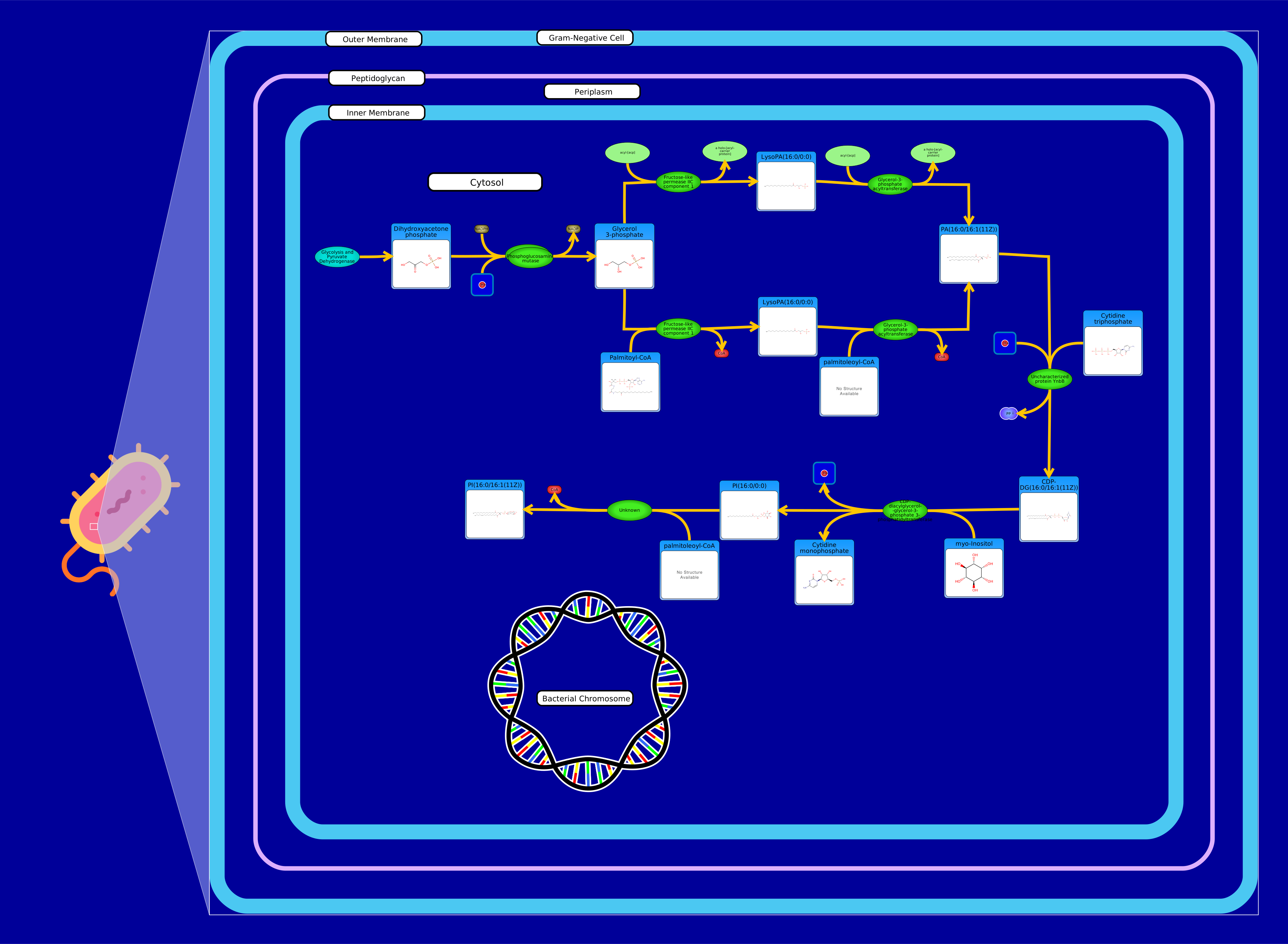 View Pathway
|
phosphatidylinositol (PI(16:0/16:1(11Z))) BiosynthesisEscherichia coli (strain K12)
Phosphatidylinositol (PI) biosynthesis in bacteria is a multistep enzymatic process that begins with the formation of glycerol 3-phosphate from dihydroxyacetone phosphate, catalyzed by glycerol-3-phosphate dehydrogenase. This initial step provides the glycerol backbone essential for subsequent acylation reactions. Glycerol-3-phosphate is first acylated at the sn-1 position by glycerol-3-phosphate acyltransferase, which transfers a fatty acyl group from acyl-CoA (for example, 3-hydroxydodecanoyl-CoA) to form lysophosphatidic acid (LysoPA), specifically LysoPA(12:0/0:0). The sn-2 position of LysoPA is then acylated by 1-acylglycerol-3-phosphate O-acyltransferase using a second fatty acyl donor, such as oleoyl-CoA, generating phosphatidic acid (PA(12:0/18:1(9Z))). Phosphatidic acid is subsequently activated through the formation of CDP-diacylglycerol (CDP-DG) in a reaction catalyzed by CDP-diglyceride synthetase, which consumes cytidine triphosphate and releases pyrophosphate. The CDP-DG intermediate then reacts with myo-inositol in a reaction catalyzed by CDP-diacylglycerol–glycerol-3-phosphate 3-phosphatidyltransferase, producing phosphatidylinositol with an empty sn-2 position (PI(12:0/0:0)) and releasing cytidine monophosphate and a proton. The final step, introducing the sn-2 fatty acyl group to form the mature PI species, such as PI(12:0/14:1(9Z)), is carried out by a membrane-bound O-acyltransferase (MBOAT) that transfers an acyl group from acyl-CoA (e.g., myristoleoyl-CoA) to the sn-2 position of PI. This step is poorly characterized in most bacteria, and the specific enzyme(s) responsible remain largely unannotated in bacterial genomes. Overall, bacterial PI biosynthesis demonstrates a tightly coordinated sequence of acylation, activation, and inositol transfer reactions, culminating in the formation of functionally diverse phosphatidylinositol species that contribute to membrane structure and signaling.
|
Creator: Julia Wakoli Created On: September 04, 2025 at 16:57 Last Updated: September 04, 2025 at 16:57 |
PW762820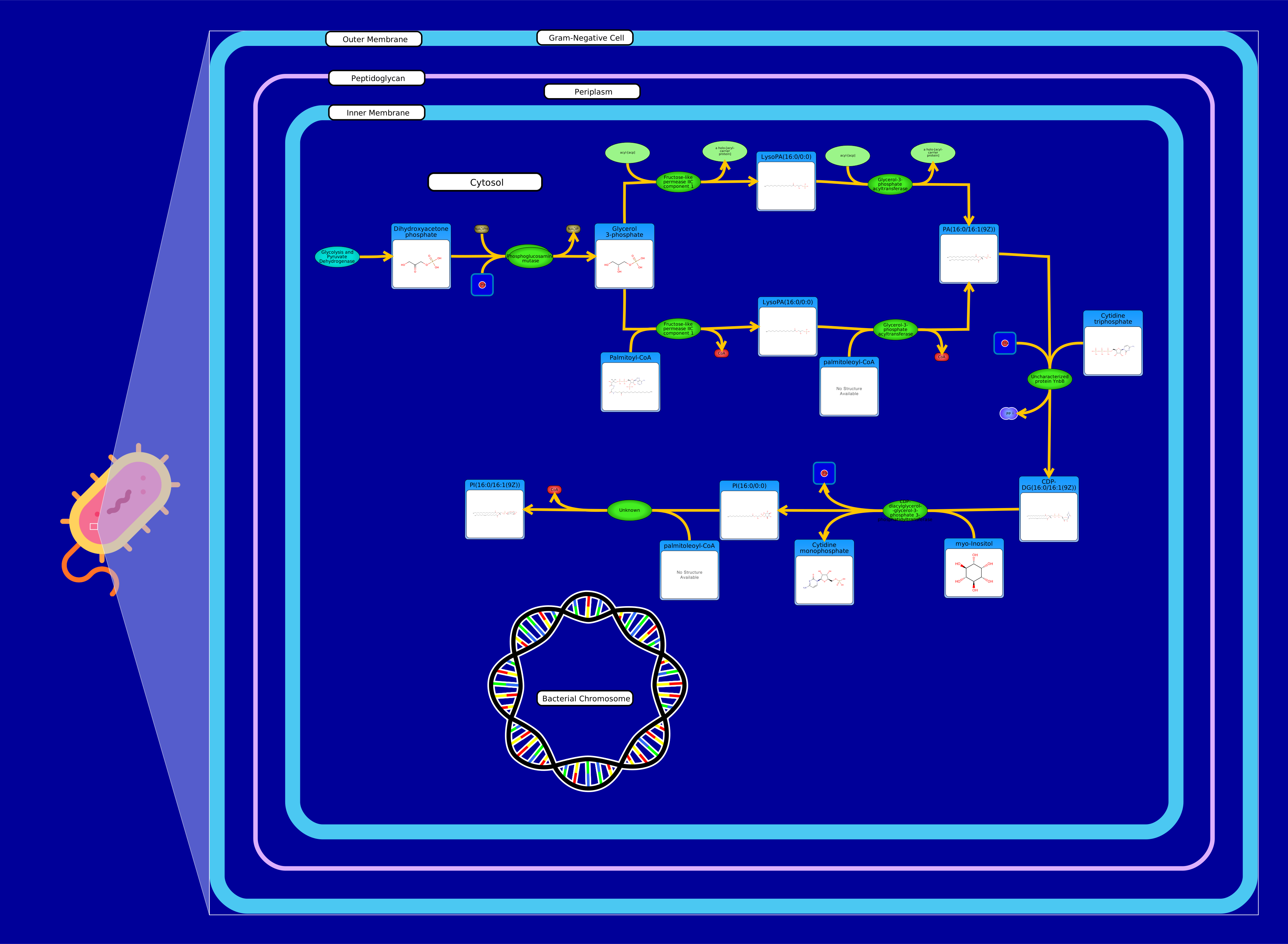 View Pathway
|
phosphatidylinositol (PI(16:0/16:1(9Z))) BiosynthesisEscherichia coli (strain K12)
Phosphatidylinositol (PI) biosynthesis in bacteria is a multistep enzymatic process that begins with the formation of glycerol 3-phosphate from dihydroxyacetone phosphate, catalyzed by glycerol-3-phosphate dehydrogenase. This initial step provides the glycerol backbone essential for subsequent acylation reactions. Glycerol-3-phosphate is first acylated at the sn-1 position by glycerol-3-phosphate acyltransferase, which transfers a fatty acyl group from acyl-CoA (for example, 3-hydroxydodecanoyl-CoA) to form lysophosphatidic acid (LysoPA), specifically LysoPA(12:0/0:0). The sn-2 position of LysoPA is then acylated by 1-acylglycerol-3-phosphate O-acyltransferase using a second fatty acyl donor, such as oleoyl-CoA, generating phosphatidic acid (PA(12:0/18:1(9Z))). Phosphatidic acid is subsequently activated through the formation of CDP-diacylglycerol (CDP-DG) in a reaction catalyzed by CDP-diglyceride synthetase, which consumes cytidine triphosphate and releases pyrophosphate. The CDP-DG intermediate then reacts with myo-inositol in a reaction catalyzed by CDP-diacylglycerol–glycerol-3-phosphate 3-phosphatidyltransferase, producing phosphatidylinositol with an empty sn-2 position (PI(12:0/0:0)) and releasing cytidine monophosphate and a proton. The final step, introducing the sn-2 fatty acyl group to form the mature PI species, such as PI(12:0/14:1(9Z)), is carried out by a membrane-bound O-acyltransferase (MBOAT) that transfers an acyl group from acyl-CoA (e.g., myristoleoyl-CoA) to the sn-2 position of PI. This step is poorly characterized in most bacteria, and the specific enzyme(s) responsible remain largely unannotated in bacterial genomes. Overall, bacterial PI biosynthesis demonstrates a tightly coordinated sequence of acylation, activation, and inositol transfer reactions, culminating in the formation of functionally diverse phosphatidylinositol species that contribute to membrane structure and signaling.
|
Creator: Julia Wakoli Created On: September 04, 2025 at 14:18 Last Updated: September 04, 2025 at 14:18 |
PW763033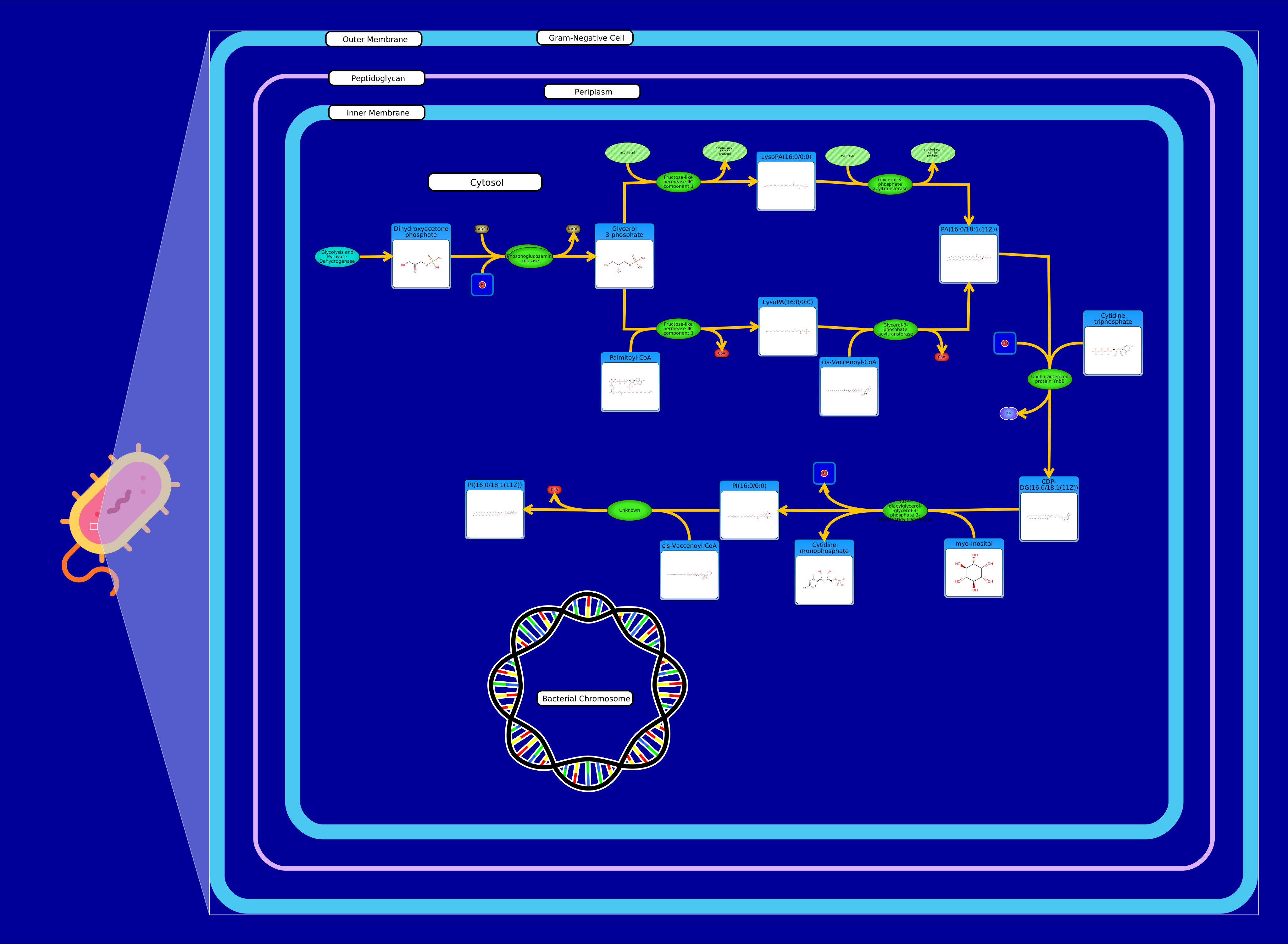 View Pathway
|
phosphatidylinositol (PI(16:0/18:1(11Z))) BiosynthesisEscherichia coli (strain K12)
Phosphatidylinositol (PI) biosynthesis in bacteria is a multistep enzymatic process that begins with the formation of glycerol 3-phosphate from dihydroxyacetone phosphate, catalyzed by glycerol-3-phosphate dehydrogenase. This initial step provides the glycerol backbone essential for subsequent acylation reactions. Glycerol-3-phosphate is first acylated at the sn-1 position by glycerol-3-phosphate acyltransferase, which transfers a fatty acyl group from acyl-CoA (for example, 3-hydroxydodecanoyl-CoA) to form lysophosphatidic acid (LysoPA), specifically LysoPA(12:0/0:0). The sn-2 position of LysoPA is then acylated by 1-acylglycerol-3-phosphate O-acyltransferase using a second fatty acyl donor, such as oleoyl-CoA, generating phosphatidic acid (PA(12:0/18:1(9Z))). Phosphatidic acid is subsequently activated through the formation of CDP-diacylglycerol (CDP-DG) in a reaction catalyzed by CDP-diglyceride synthetase, which consumes cytidine triphosphate and releases pyrophosphate. The CDP-DG intermediate then reacts with myo-inositol in a reaction catalyzed by CDP-diacylglycerol–glycerol-3-phosphate 3-phosphatidyltransferase, producing phosphatidylinositol with an empty sn-2 position (PI(12:0/0:0)) and releasing cytidine monophosphate and a proton. The final step, introducing the sn-2 fatty acyl group to form the mature PI species, such as PI(12:0/14:1(9Z)), is carried out by a membrane-bound O-acyltransferase (MBOAT) that transfers an acyl group from acyl-CoA (e.g., myristoleoyl-CoA) to the sn-2 position of PI. This step is poorly characterized in most bacteria, and the specific enzyme(s) responsible remain largely unannotated in bacterial genomes. Overall, bacterial PI biosynthesis demonstrates a tightly coordinated sequence of acylation, activation, and inositol transfer reactions, culminating in the formation of functionally diverse phosphatidylinositol species that contribute to membrane structure and signaling.
|
Creator: Julia Wakoli Created On: September 04, 2025 at 16:58 Last Updated: September 04, 2025 at 16:58 |
PW763035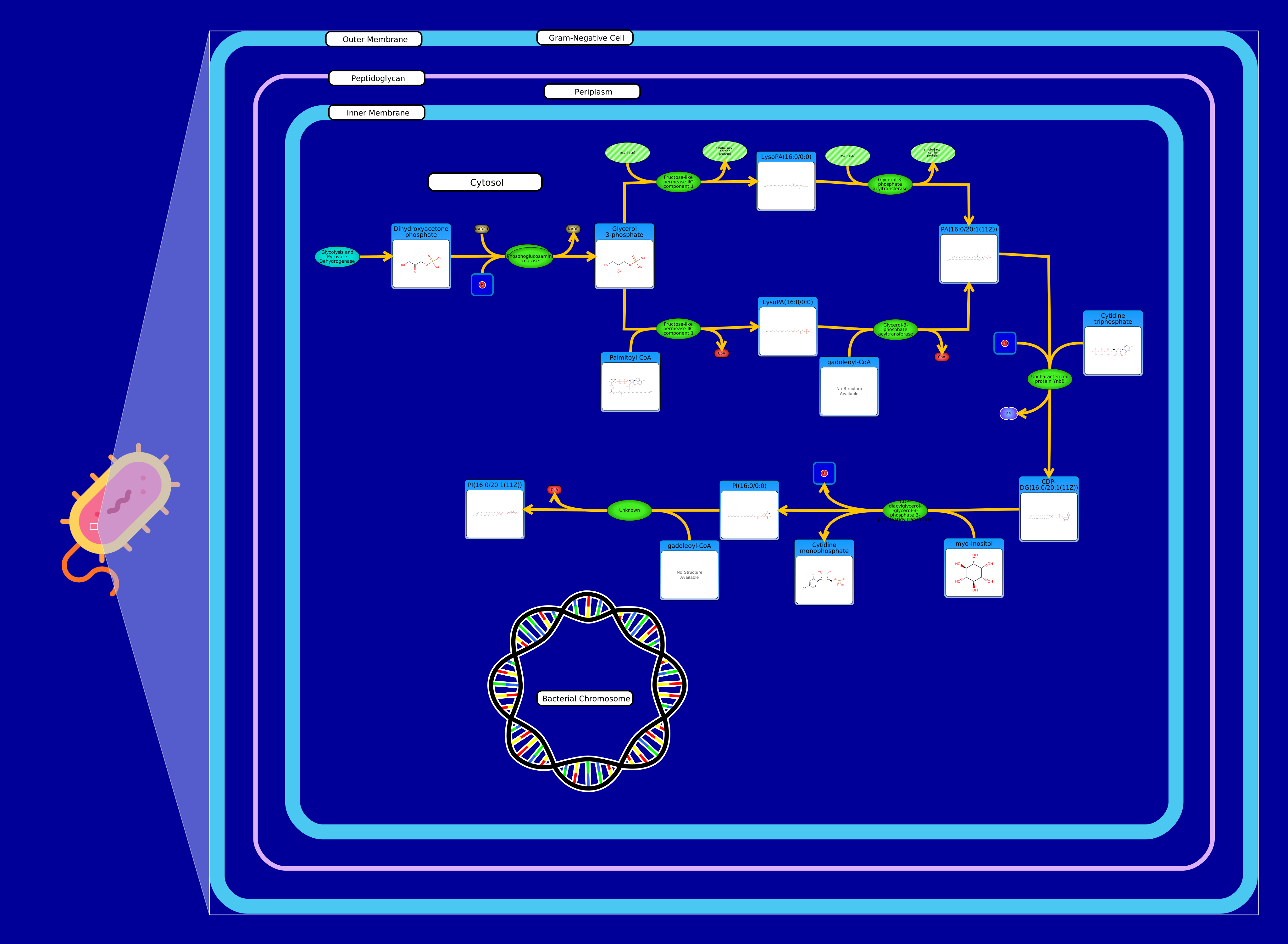 View Pathway
|
phosphatidylinositol (PI(16:0/20:1(11Z))) BiosynthesisEscherichia coli (strain K12)
Phosphatidylinositol (PI) biosynthesis in bacteria is a multistep enzymatic process that begins with the formation of glycerol 3-phosphate from dihydroxyacetone phosphate, catalyzed by glycerol-3-phosphate dehydrogenase. This initial step provides the glycerol backbone essential for subsequent acylation reactions. Glycerol-3-phosphate is first acylated at the sn-1 position by glycerol-3-phosphate acyltransferase, which transfers a fatty acyl group from acyl-CoA (for example, 3-hydroxydodecanoyl-CoA) to form lysophosphatidic acid (LysoPA), specifically LysoPA(12:0/0:0). The sn-2 position of LysoPA is then acylated by 1-acylglycerol-3-phosphate O-acyltransferase using a second fatty acyl donor, such as oleoyl-CoA, generating phosphatidic acid (PA(12:0/18:1(9Z))). Phosphatidic acid is subsequently activated through the formation of CDP-diacylglycerol (CDP-DG) in a reaction catalyzed by CDP-diglyceride synthetase, which consumes cytidine triphosphate and releases pyrophosphate. The CDP-DG intermediate then reacts with myo-inositol in a reaction catalyzed by CDP-diacylglycerol–glycerol-3-phosphate 3-phosphatidyltransferase, producing phosphatidylinositol with an empty sn-2 position (PI(12:0/0:0)) and releasing cytidine monophosphate and a proton. The final step, introducing the sn-2 fatty acyl group to form the mature PI species, such as PI(12:0/14:1(9Z)), is carried out by a membrane-bound O-acyltransferase (MBOAT) that transfers an acyl group from acyl-CoA (e.g., myristoleoyl-CoA) to the sn-2 position of PI. This step is poorly characterized in most bacteria, and the specific enzyme(s) responsible remain largely unannotated in bacterial genomes. Overall, bacterial PI biosynthesis demonstrates a tightly coordinated sequence of acylation, activation, and inositol transfer reactions, culminating in the formation of functionally diverse phosphatidylinositol species that contribute to membrane structure and signaling.
|
Creator: Julia Wakoli Created On: September 04, 2025 at 17:00 Last Updated: September 04, 2025 at 17:00 |
PW763037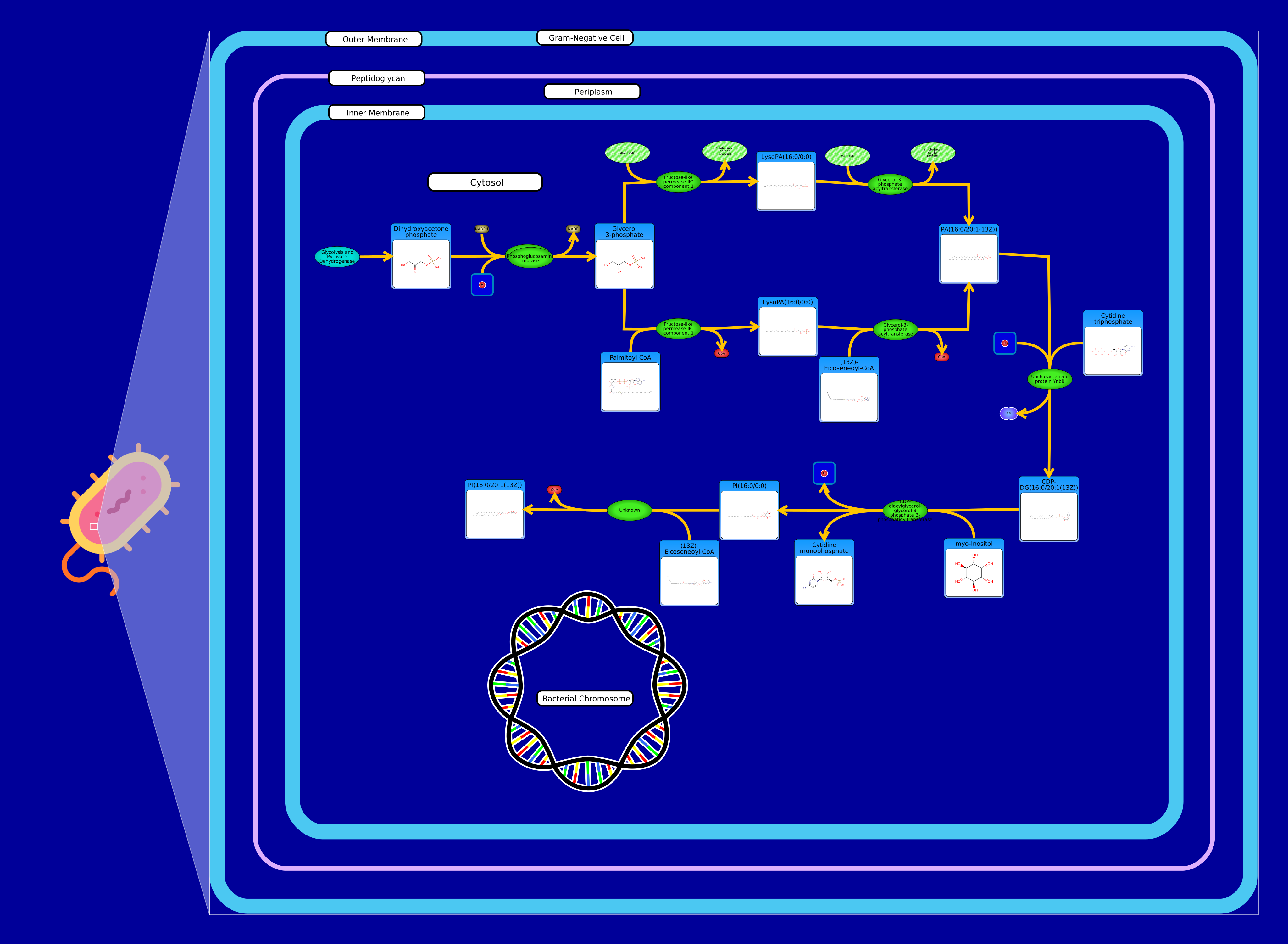 View Pathway
|
phosphatidylinositol (PI(16:0/20:1(13Z))) BiosynthesisEscherichia coli (strain K12)
Phosphatidylinositol (PI) biosynthesis in bacteria is a multistep enzymatic process that begins with the formation of glycerol 3-phosphate from dihydroxyacetone phosphate, catalyzed by glycerol-3-phosphate dehydrogenase. This initial step provides the glycerol backbone essential for subsequent acylation reactions. Glycerol-3-phosphate is first acylated at the sn-1 position by glycerol-3-phosphate acyltransferase, which transfers a fatty acyl group from acyl-CoA (for example, 3-hydroxydodecanoyl-CoA) to form lysophosphatidic acid (LysoPA), specifically LysoPA(12:0/0:0). The sn-2 position of LysoPA is then acylated by 1-acylglycerol-3-phosphate O-acyltransferase using a second fatty acyl donor, such as oleoyl-CoA, generating phosphatidic acid (PA(12:0/18:1(9Z))). Phosphatidic acid is subsequently activated through the formation of CDP-diacylglycerol (CDP-DG) in a reaction catalyzed by CDP-diglyceride synthetase, which consumes cytidine triphosphate and releases pyrophosphate. The CDP-DG intermediate then reacts with myo-inositol in a reaction catalyzed by CDP-diacylglycerol–glycerol-3-phosphate 3-phosphatidyltransferase, producing phosphatidylinositol with an empty sn-2 position (PI(12:0/0:0)) and releasing cytidine monophosphate and a proton. The final step, introducing the sn-2 fatty acyl group to form the mature PI species, such as PI(12:0/14:1(9Z)), is carried out by a membrane-bound O-acyltransferase (MBOAT) that transfers an acyl group from acyl-CoA (e.g., myristoleoyl-CoA) to the sn-2 position of PI. This step is poorly characterized in most bacteria, and the specific enzyme(s) responsible remain largely unannotated in bacterial genomes. Overall, bacterial PI biosynthesis demonstrates a tightly coordinated sequence of acylation, activation, and inositol transfer reactions, culminating in the formation of functionally diverse phosphatidylinositol species that contribute to membrane structure and signaling.
|
Creator: Julia Wakoli Created On: September 04, 2025 at 17:01 Last Updated: September 04, 2025 at 17:01 |