
| PathWhiz ID | Pathway | Meta Data |
|---|---|---|
PW126341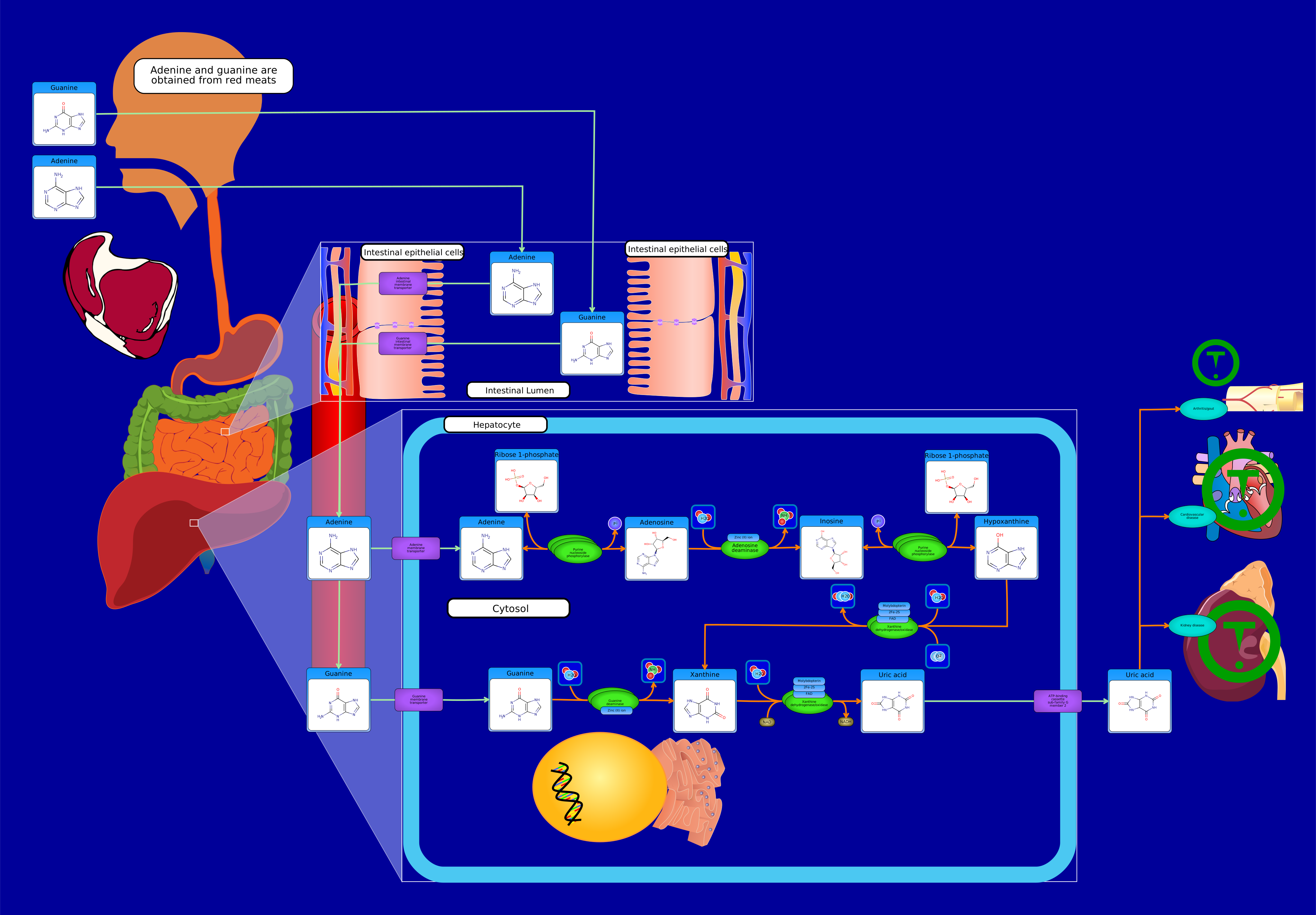 View Pathway
|
Metabolism and Physiological Effects of Uric acidHomo sapiens
Uric acid is formed from purine catabolism. Purines can be made endogenously in the body or can be obtained exogenously from foods such as red meat. The purines are guanine and adenine. These undergo metabolism in the liver to form uric acid.
Adenine forms adenosine through the enzyme purine nucleoside phosphorylase. Adenosine then reacts with water to form inosine and ammonia using the enzyme adenosine deaminase. Inosine goes on to form hypoxanthine through the enzyme purine nucleoside phosphorylase. Xanthine is formed from hypoxanthine using the enzyme xanthine dehydrogenase/ oxidase. Xanthine can also be formed from the purine guanine via guanine deaminase. Uric acid is produced from xanthine in the presence of xanthine dehydrogenase/ oxidase. Uric acid can enter the blood and produce toxic effects on the cardiovascular, renal and joints, leading to cardiovascular disease, kidney disease and arthritis/ gout.
|
Creator: Karxena Harford Created On: October 12, 2021 at 14:48 Last Updated: October 12, 2021 at 14:48 |
PW126375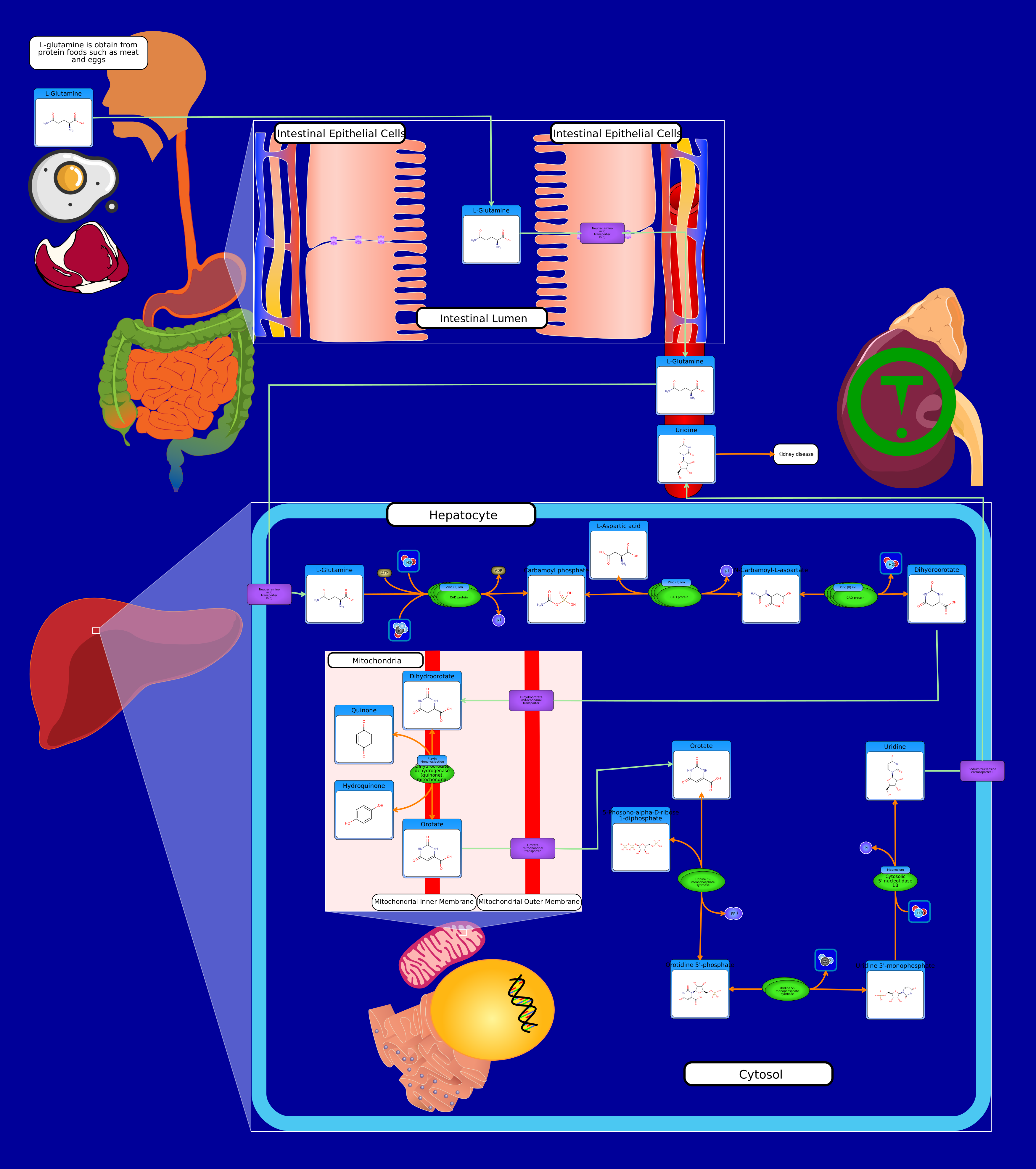 View Pathway
|
Metabolism and Physiological Effects of UridineHomo sapiens
Uridine, also known as beta-uridine or 1-beta-D-ribofuranosylpyrimidine-2,4(1H,3H)-dione, is a member of the class of compounds known as pyrimidine nucleosides. Pyrimidine nucleosides are compounds comprising a pyrimidine base attached to a ribosyl or deoxyribosyl moiety. More specifically, uridine is a nucleoside consisting of uracil and D-ribose and a component of RNA. L-glutamine is obtained form protein sources in the diet and is metabolized to uridine in the liver. L-glutamine is first converted to carbamoyl phosphate then to N-Carbamoyl-L-aspartate and finally to dihydroorotate by the CAD protein (carbamoyl-phosphate synthetase 2, aspartate transcarbamylase, and dihydroorotase). Dihydroorotate is converted to orotate in the mitochondria of the cell using the enzyme dihydroorotate dehydrogenase .Orotate is converted to orotidine 5'-phosphate then Uridine 5'-monophosphate by the enzyme uridine 5'-monophosphate synthase. Finally, uridine 5'-monophosphate forms uridine via cytosolic 5'-nucleotidase 1B. uridine enters the blood stream and may have affect tissues such as the kidney, where it can contribute to renal failure.
|
Creator: Karxena Harford Created On: October 20, 2021 at 17:19 Last Updated: October 20, 2021 at 17:19 |
PW128492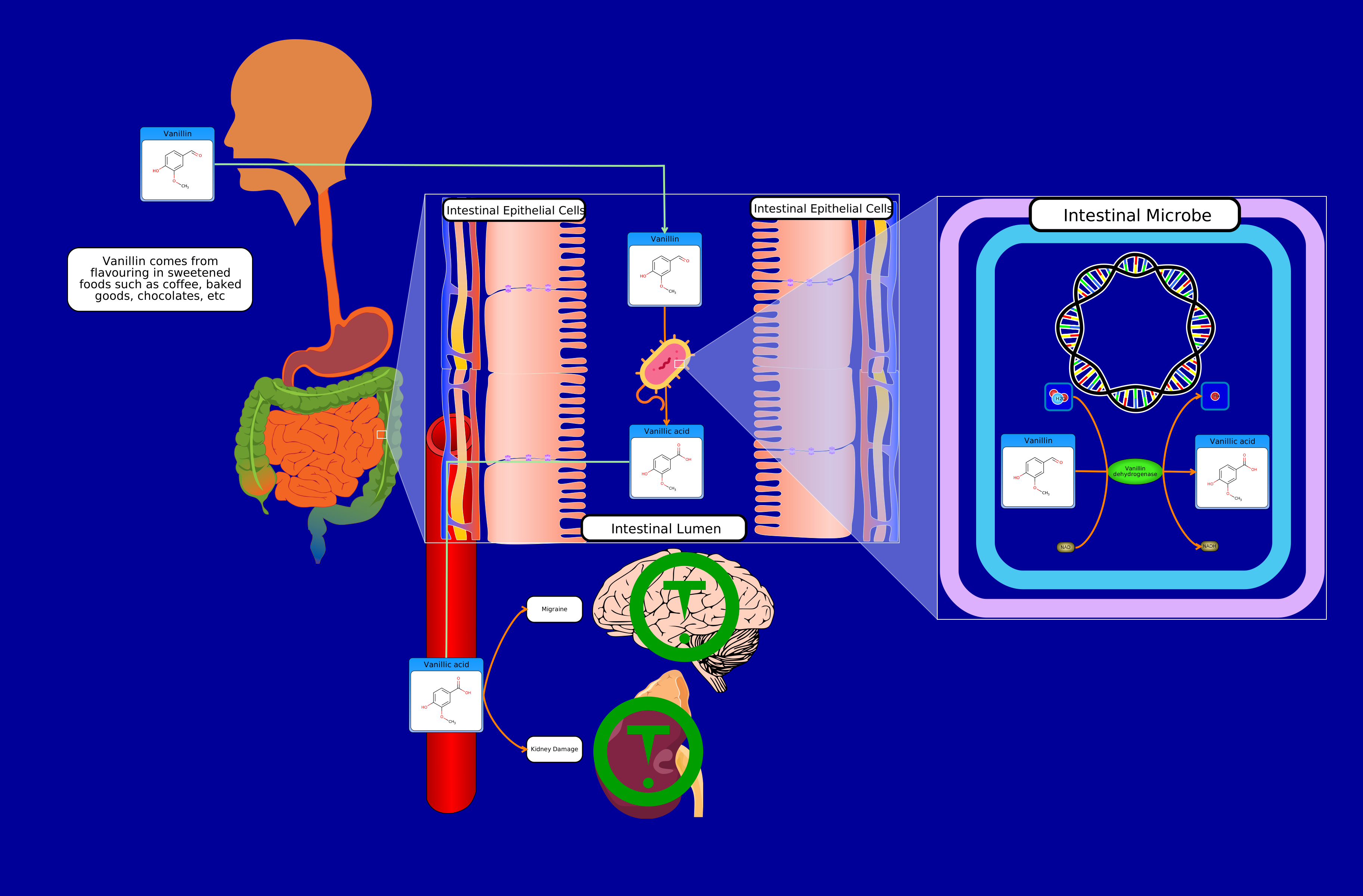 View Pathway
|
Metabolism and Physiological Effects of Vanillic AcidHomo sapiens
Vanillic acid is a phenolic acid found in some forms of vanilla and many other plant extracts. It is a flavouring and scent agent that produces a pleasant, creamy odour. It is the intermediate product in the two-step bioconversion of ferulic acid to vanillin (J Biotechnol 1996;50(2-3):107-13). Vanillic acid, which is a chlorogenic acid, is an oxidized form of vanillin. It is also an intermediate in the production of vanillin from ferulic acid. Vanillic acid is a metabolic byproduct of caffeic acid and is often found in the urine of humans who have consumed coffee, chocolate, tea, and vanilla-flavoured confectionary. Vanillic acid selectively and specifically inhibits 5'nucleotidase activity. Vanillic acid is a microbial metabolite found in Amycolatopsis, Delftia, and Pseudomonas. Vanillin is toxic to the cells and hence it is subject to catabolism caused by the oxidative activity of this protein. This is undesired from the production point of view of this important compound. The deletion mutant of this protein can be used in production of natural vanillin by microbial fermentation from ferulic acid at final concentrations and molar yields on an industrial scale. The enzyme vanillin dehydrogenase in Amycolatopsis species catalyzes NAD+-dependent oxidation of vanillin to vanillate. Oxidates also other aromatic aldehydes including benzaldehyde, coniferyl aldehyde and cinnamaldehyde, but has a preference for vanillin. Vanillin is produced via the breakdown of phenylalanine.
|
Creator: Hayley Created On: August 31, 2023 at 12:01 Last Updated: August 31, 2023 at 12:01 |
PW126366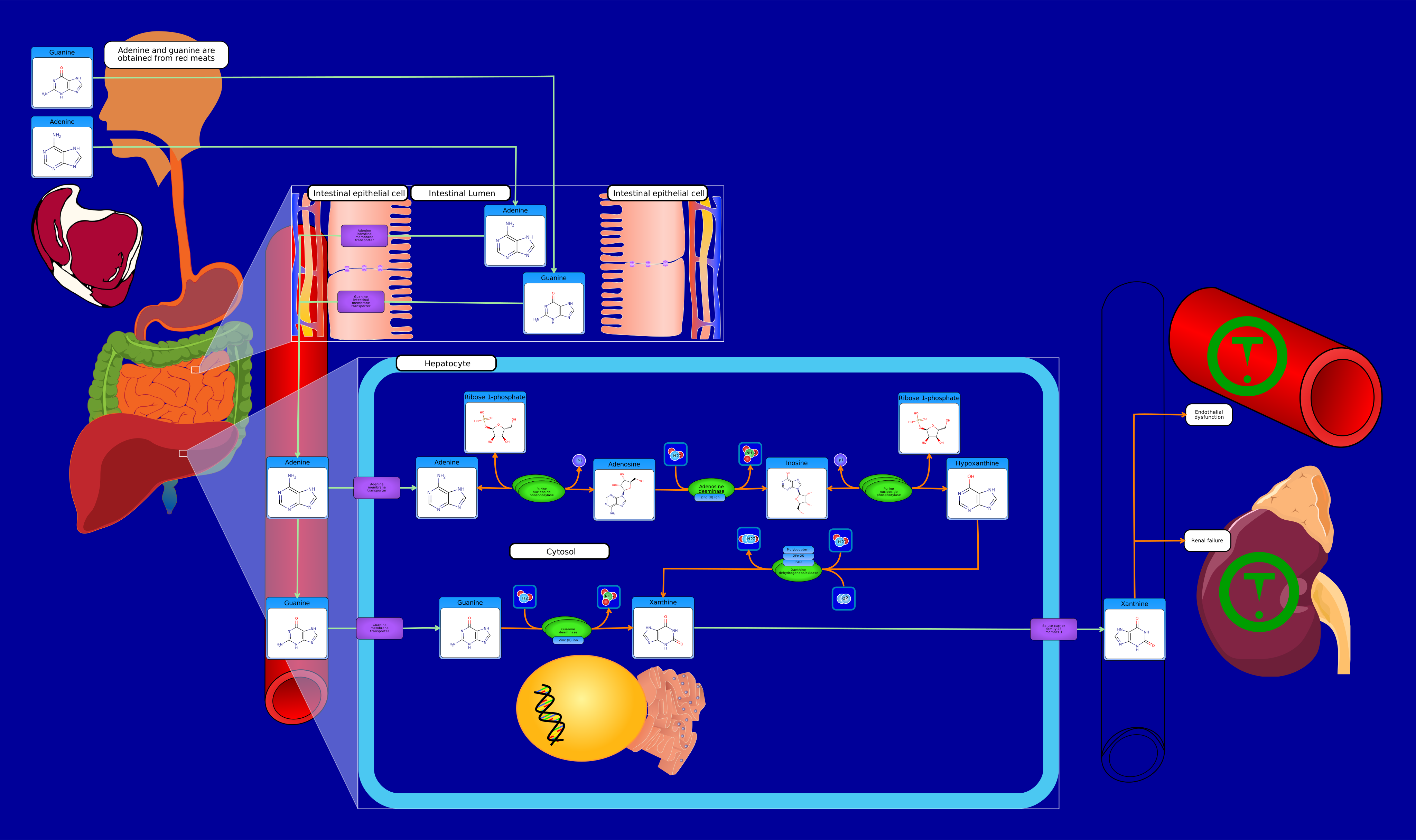 View Pathway
|
Metabolism and Physiological Effects of XanthineHomo sapiens
Xanthine is formed from purine catabolism. Purines can be made endogenously in the body or can be obtained exogenously from foods such as red meat. The purines are guanine and adenine. These undergo metabolism in the liver to form xanthine.
Adenine forms adenosine through the enzyme purine nucleoside phosphorylase. Adenosine then reacts with water to form inosine and ammonia using the enzyme adenosine deaminase. Inosine goes on to form hypoxanthine through the enzyme purine nucleoside phosphorylase. Xanthine is formed from hypoxanthine using the enzyme xanthine dehydrogenase/ oxidase. Xanthine can also be formed from the purine guanine via guanine deaminase. Xanthine then enters the blood where it can have detrimental effects on other organs such as the kidney (causing renal failure) and the blood vessel (causing endothelial dysfunction).
|
Creator: Karxena Harford Created On: October 19, 2021 at 03:28 Last Updated: October 19, 2021 at 03:28 |
PW126368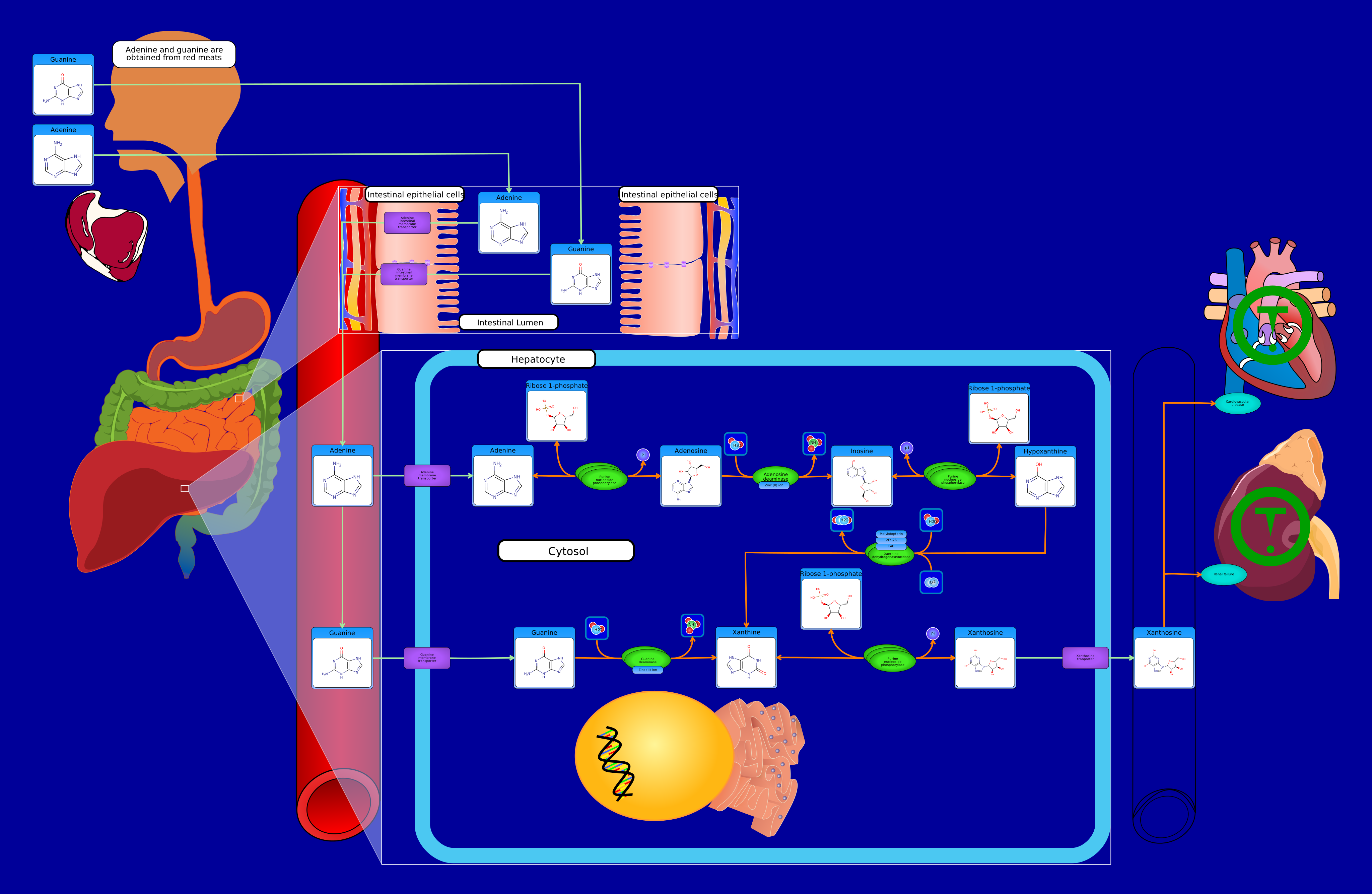 View Pathway
|
Metabolism and Physiological Effects of XanthosineHomo sapiens
Xanthosine is formed from purine catabolism. Purines can be made endogenously in the body or can be obtained exogenously from foods such as red meat. The purines are guanine and adenine. These undergo metabolism in the liver to form xanthosine.
Adenine forms adenosine through the enzyme purine nucleoside phosphorylase. Adenosine then reacts with water to form inosine and ammonia using the enzyme adenosine deaminase. Inosine goes on to form hypoxanthine through the enzyme purine nucleoside phosphorylase. Xanthine is formed from hypoxanthine using the enzyme xanthine dehydrogenase/ oxidase. Xanthine can also be formed from the purine guanine via guanine deaminase. Xanthine is then converted to xanthosine via the enzyme purine nucleoside phosphorylase. Xanthosine then enters the blood where it can have detrimental effects on other organs such as the kidney, causing renal failure and the heart causing cardiovascular disease.
|
Creator: Karxena Harford Created On: October 19, 2021 at 04:24 Last Updated: October 19, 2021 at 04:24 |
PW128604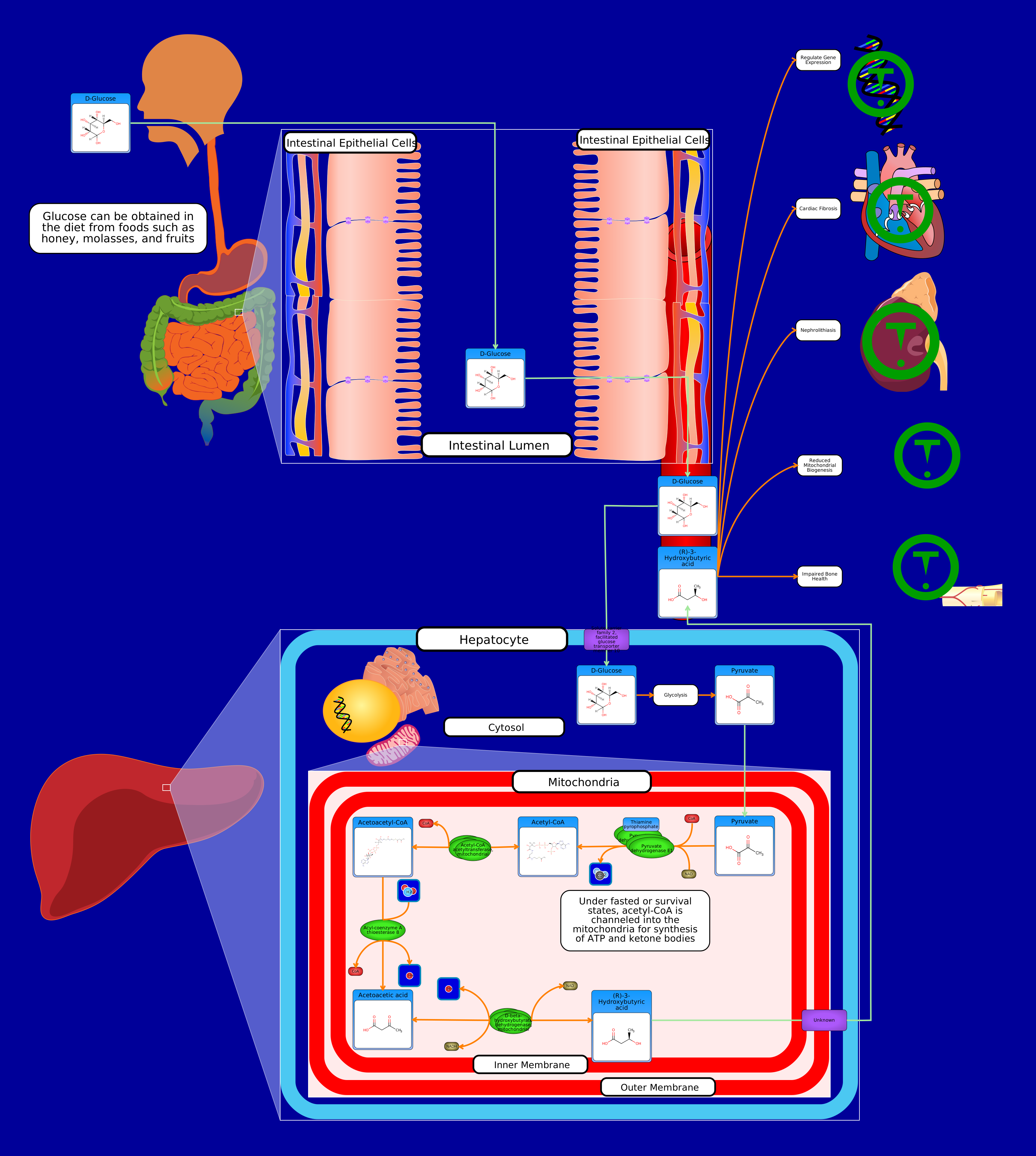 View Pathway
|
Metabolism and Physiological Effects of β-Hydroxybutyric acidHomo sapiens
3-Hydroxybutyric acid (CAS: 300-85-6), also known as beta-hydroxybutanoic acid, is a typical partial-degradation product of branched-chain amino acids (primarily valine) released from muscle for hepatic and renal gluconeogenesis. This acid is metabolized by 3-hydroxybutyrate dehydrogenase (catalyzes the oxidation of 3-hydroxybutyrate to form acetoacetate, using NAD+ as an electron acceptor). In the liver mitochondrial matrix, the enzyme can also catalyze the reverse reaction, a step in ketogenesis. Hepatocytes are the main cell type in the liver (~80%). Blood glucose enters hepatocytes via GLUT2 and GLUT8, a plasma membrane glucose transporter. Glucose is metabolized into pyruvate through glycolysis in the cytoplasm, and pyruvate is completely oxidized to generate ATP through the TCA cycle and oxidative phosphorylation in the mitochondria. In the fed state, glycolytic products are used to synthesize fatty acids through de novo lipogenesis. Ketone synthesis in the liver produces acetoacetate and beta-hydroxybutyrate from two acetyl CoA molecules. Acetyl-CoA is a metabolite derived from glucose, fatty acid, and amino acid catabolism. During glycolysis, glucose is broken down into two three-carbon molecules of pyruvate. The mitochondrial pyruvate dehydrogenase complex then catalyzes the oxidative decarboxylation of pyruvate to produce acetyl-CoA, a two-carbon acetyl unit that is ligated to the acyl-group carrier, CoA. Under fasted or survival states, acetyl-CoA is channeled into the mitochondria for synthesis of ATP and ketone bodies. Mitochondrial amounts of acetyl-CoA increase relative to nucleocytosolic amounts. Fatty acid oxidation significantly increases mitochondrial acetyl-CoA. β-hydroxybutyrate (not technically a ketone according to IUPAC nomenclature) is generated through the action of the enzyme D-β-hydroxybutyrate dehydrogenase on acetoacetate. Upon entering the tissues, beta-hydroxybutyrate is converted by D-β-hydroxybutyrate dehydrogenase back to acetoacetate along with a proton and a molecule of NADH, the latter of which goes on to power the electron transport chain and other redox reactions. β-Hydroxybutyrate is the most abundant of the ketone bodies, followed by acetoacetate and finally acetone
|
Creator: Hayley Created On: September 06, 2023 at 12:00 Last Updated: September 06, 2023 at 12:00 |
PW124251 View Pathway
|
metabolism loveHomo sapiens
definicion del amor de como se ambienta en 3 dias
|
Creator: Guest: Anonymous Created On: October 19, 2020 at 17:31 Last Updated: October 19, 2020 at 17:31 |
PW124469 View Pathway
|
Metabolism MapHomo sapiens
|
Creator: Guest: Anonymous Created On: January 22, 2021 at 11:36 Last Updated: January 22, 2021 at 11:36 |
PW031117 View Pathway
|
metabolism of energyHomo sapiens
|
Creator: Guest: Anonymous Created On: June 25, 2017 at 14:59 Last Updated: June 25, 2017 at 14:59 |
PW124218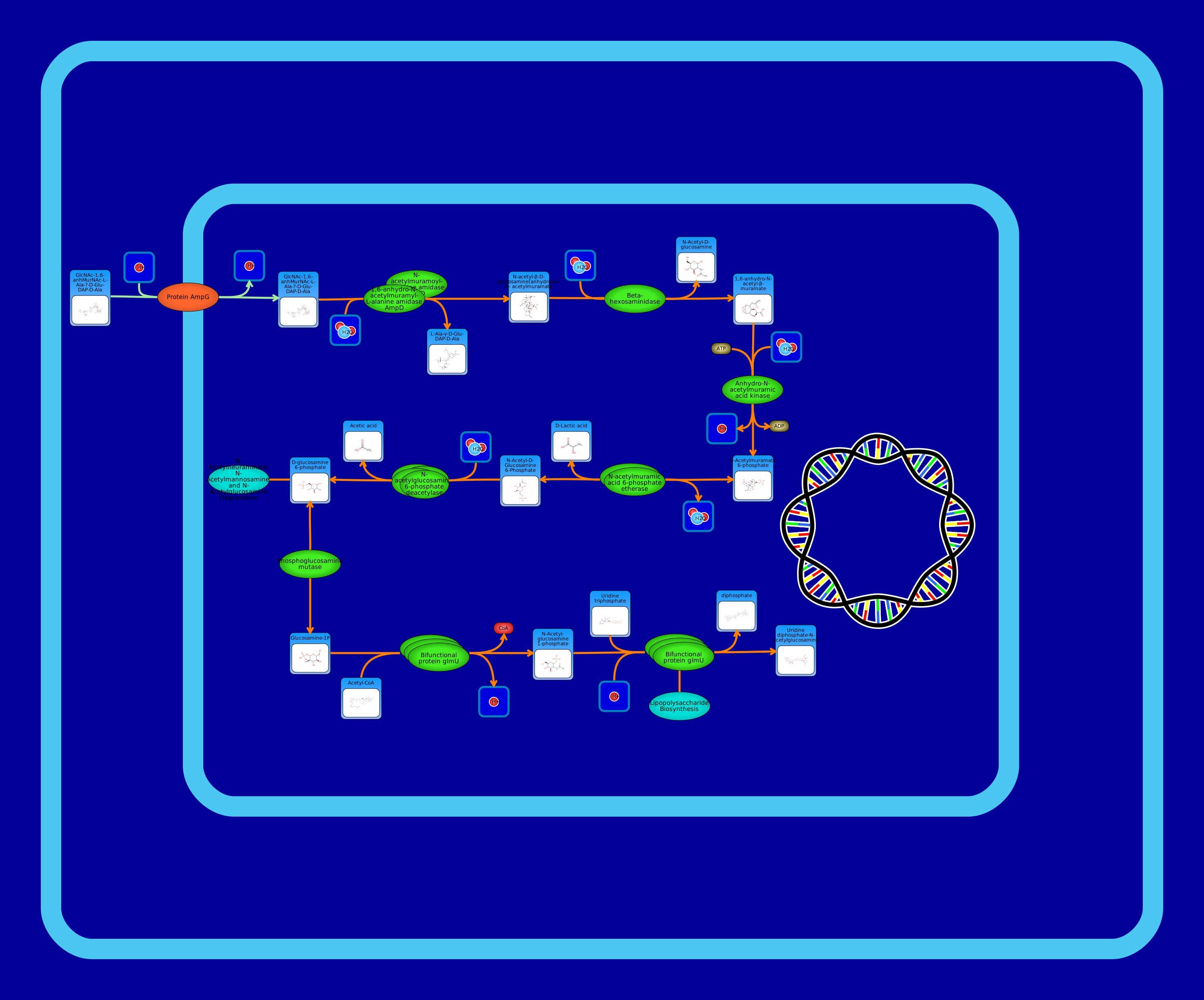 View Pathway
|
metabolismo de biosíntesisHomo sapiens
|
Creator: Guest: Anonymous Created On: October 13, 2020 at 19:28 Last Updated: October 13, 2020 at 19:28 |